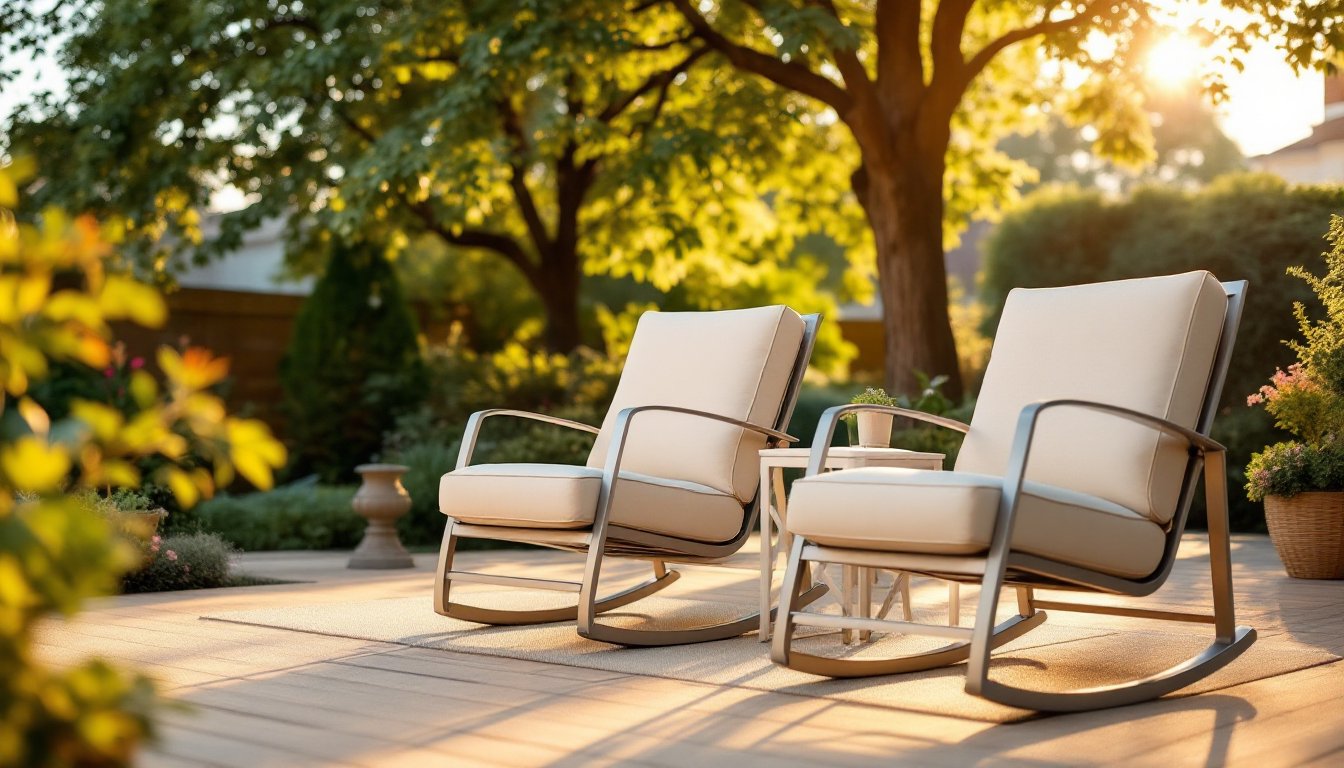
A glider on the patio isn’t just furniture, it’s an invitation to slow down. Unlike stationary chairs, glider patio furniture moves with you in a smooth, rhythmic motion that encourages relaxation without the effort of a rocking chair. Whether you’re sipping morning coffee or watching the sunset, a well-chosen glider becomes the centerpiece of outdoor living. This guide walks you through selecting, maintaining, and maximizing the comfort of glider patio furniture for your backyard, covering everything from material choices to long-term care so your investment holds up through seasons of use.
Table of Contents
ToggleKey Takeaways
- Glider patio furniture offers smooth, therapeutic motion that encourages relaxation while requiring less clearance than traditional rockers, making it ideal for tighter backyard spaces.
- Choose from metal (aluminum, steel, or wrought iron), wood (teak or cedar), or wicker options based on your climate and maintenance tolerance—aluminum requires minimal upkeep for humid climates, while teak offers durability with almost no work.
- Accurate measurements are critical: ensure your glider fits your space’s width (28–36 inches standard), depth (32–40 inches), and ceiling clearance (7.5 feet minimum on porches) before purchasing.
- Test the gliding mechanism in person to confirm smooth, balanced motion—rough or jerky movement indicates poor bearing construction or frame misalignment.
- Seasonal maintenance routines, including cleaning, protective treatments, lubricating mechanisms, and storing cushions indoors in winter, extend glider lifespan to 10–15 years with consistent care.
- Prioritize solid construction with reinforced joints and stainless-steel hardware over appearance alone, as durability ensures your investment provides years of outdoor enjoyment.
What Is Glider Patio Furniture and Why It’s Perfect for Your Backyard
Glider patio furniture refers to outdoor chairs or seating that moves back and forth on a fixed frame using a gliding mechanism, typically ball bearings, rockers, or a spring-loaded base. Unlike a rocker that pivots on curved legs, a glider moves in a straight, forward-and-back motion, giving you smooth, effortless movement.
The appeal goes beyond nostalgia. A glider encourages you to spend time outside. The gentle motion is therapeutic, easing tension in your shoulders and back without the manual effort you’d put into rocking. They’re also highly functional: gliders don’t require the clearance of a rocker (no rocking arc means they fit tighter spaces), and they’re inherently stable, harder to tip than a traditional rocker with an uneven weight distribution.
For backyard design, gliders work in pairs on a porch, as accent seating on a deck, or clustered in a conversation area. They suit cottages, modern homes, and everything in between. The low maintenance compared to swings or hammocks, combined with their durability when built from quality materials, makes them a solid long-term addition to your outdoor space. You’re not just buying a seat: you’re building a reason to use your patio more often.
Types of Glider Patio Furniture to Consider
Metal Gliders and Aluminum Options
Metal gliders, typically made from aluminum, steel, or wrought iron, are the workhorses of outdoor furniture. Aluminum is lightweight, rust-resistant, and requires minimal maintenance, making it ideal for humid or coastal climates where corrosion is a concern. A typical aluminum glider frame weighs 15–25 pounds and can support 250–400 pounds depending on construction.
Steel gliders are heavier and sturdier, often chosen when stability and a more traditional aesthetic matter. Steel does require annual inspection for rust, especially in wet climates: a coat of rust-inhibiting spray paint every couple of years keeps them in top shape.
Wrought iron offers an ornate, vintage look but demands more upkeep, it’s prone to rust and needs repainting every 2–3 years in harsh conditions. If you love the aesthetic, commit to the maintenance schedule.
Metal gliders pair well with cushions (which you can swap seasonally) and suit modern, farmhouse, and traditional decor. Prices range from $200 for basic aluminum to $800+ for high-end steel or iron pieces.
Wooden and Wicker Glider Designs
Wood gliders, typically crafted from teak, cedar, or treated hardwoods, bring warmth and elegance. Teak is naturally rot-resistant and weathers to a silvery-gray over time: it’s pricey (often $600–$1200) but virtually maintenance-free beyond occasional sealing. Cedar is more affordable ($300–$700), lighter weight, and aromatic, but requires refinishing every 2–3 years to prevent weathering and splintering.
Woven materials like wicker or rattan mounted on metal frames offer a cottage aesthetic. These are often paired with cushioned seats for comfort. Outdoor-grade wicker resists UV fading better than indoor wicker, but it still needs shaded placement and occasional cleaning with mild soap. High-quality outdoor wicker gliders run $500–$1000.
Wood and wicker suit porches, decks, and design-forward patios. They’re comfortable without added cushions (though cushions extend their life by reducing direct weather exposure).
How to Choose the Right Glider for Your Space
Start with three measurements: the width of your intended placement (a standard glider is 28–36 inches wide), the depth from front to back (typically 32–40 inches, so account for leg clearance), and ceiling height if you’re placing it on a porch (7.5 feet is minimum to avoid head bumps when gliding). A glider sitting under an eave or pergola needs clearance from above as well, measure carefully before buying.
Consider your climate. In wet, salt-spray environments, aluminum or sealed teak outperforms untreated wood. In arid, sunny climates, consider UV-resistant cushion fabrics and the potential for fading: wicker can bleach surprisingly fast in intense sun. Check product specs for UV ratings on fabrics.
Think about your maintenance tolerance. A teak glider requires almost no work beyond an occasional rinse. A cedar glider needs sealing every 2–3 years. A steel or wrought-iron glider needs rust inspection and touch-ups. If you’re time-strapped, aluminum with quality cushions is your lowest-maintenance option.
Test movement if buying in person. The glide should feel smooth and balanced: rough or jerky motion suggests poor bearing construction or frame misalignment. A quality glider will move effortlessly with a single finger’s touch when unoccupied.
Color and style matter, but durability matters more. A beautiful glider that splinters or rusts within two years isn’t a bargain. Look for reinforced joints (bolted or mortise-and-tenon, not just glued), stainless-steel hardware, and breathable cushion covers that won’t trap moisture.
Maintenance and Care Tips for Long-Lasting Gliders
Seasonal prep extends the life of any glider. Before summer, clean all surfaces with mild soap and water, rinse thoroughly, and let dry completely. For metal frames, apply a protective wax or oil to prevent oxidation. For wood, consider a fresh coat of exterior stain or sealant if the finish looks dull.
In fall, if you live in a cold climate, consider moving gliders to a garage or shed, or covering them with breathable outdoor furniture covers, plastic traps moisture and accelerates rot and corrosion, so avoid it. Breathable covers (often made from polypropylene) allow air circulation while blocking rain and UV.
Inspect the gliding mechanism annually. If the motion becomes sticky or squeaks, it usually means dust buildup or dry bearings. Use a small brush to clear debris from the track or pivot points, then apply a dry silicone lubricant (WD-40 or similar) sparingly. Avoid oil-based lubricants, which attract dirt.
Cushions deserve their own schedule. Remove and store them indoors over winter in cold climates. Wash covers every month or two with a garden hose and mild soap: let them air-dry completely before reattaching. If cushions develop mildew (gray or black spots), treat them with a 1:1 white vinegar and water solution, scrub gently, and rinse well.
For wood gliders, reseal or restain every 2–3 years depending on climate. Cedar and untreated wood fade and splinter without protection. Check joints regularly for looseness: tighten bolts if needed. Loose joints don’t just feel wobbly, they accelerate wear and can become safety hazards.
For metal gliders, touch up paint chips or rust spots immediately with rust-inhibiting spray paint to prevent spread. Annual inspection of welds or bolted joints catches problems early. A light coat of automotive wax on aluminum keeps it bright and resists salt spray.
Regardless of material, keep your glider out of direct spray zones from sprinklers or hoses, and position it to catch afternoon shade in hot climates, both steps reduce wear and fading. With consistent seasonal care, a mid-range glider easily lasts 10–15 years: premium pieces often outlive the homeowner.
Conclusion
Glider patio furniture transforms a backyard from a neglected space into a destination for relaxation. Whether you choose metal, wood, or wicker, the right glider fits your climate, style, and maintenance commitment. Start with accurate measurements, prioritize smooth movement and solid construction, and follow seasonal care routines to protect your investment. A quality glider isn’t a luxury, it’s a practical tool for reclaiming outdoor time and building lasting backyard memories. Visit Southern Living, Sunset, or Gardenista for additional outdoor space design inspiration as you finalize your patio setup.