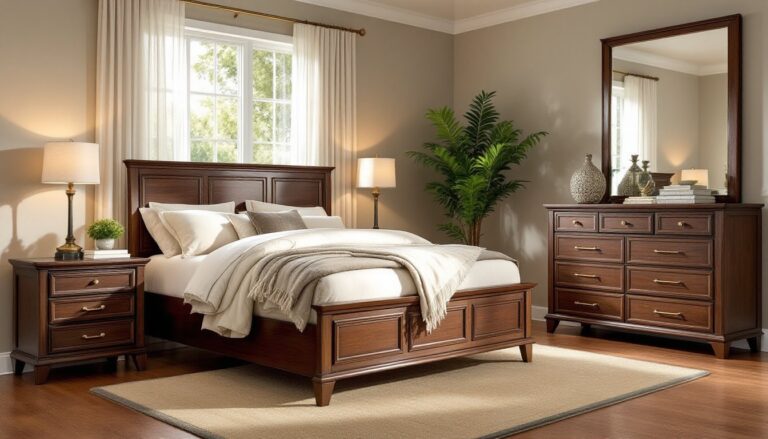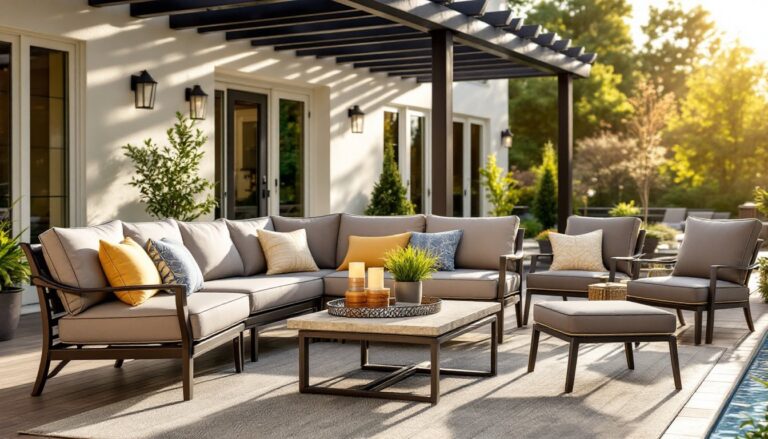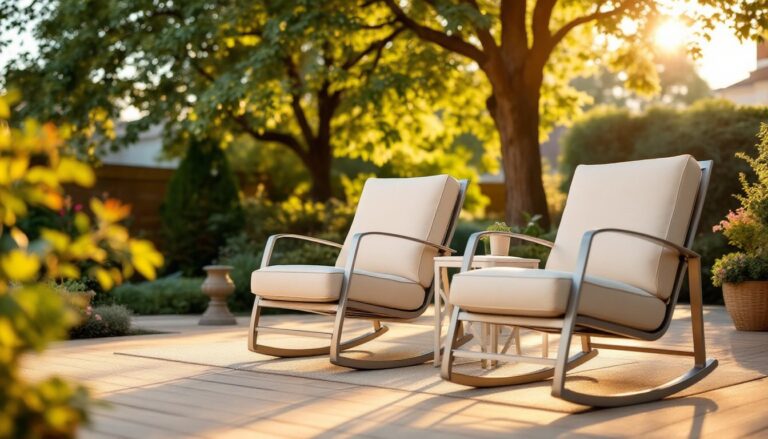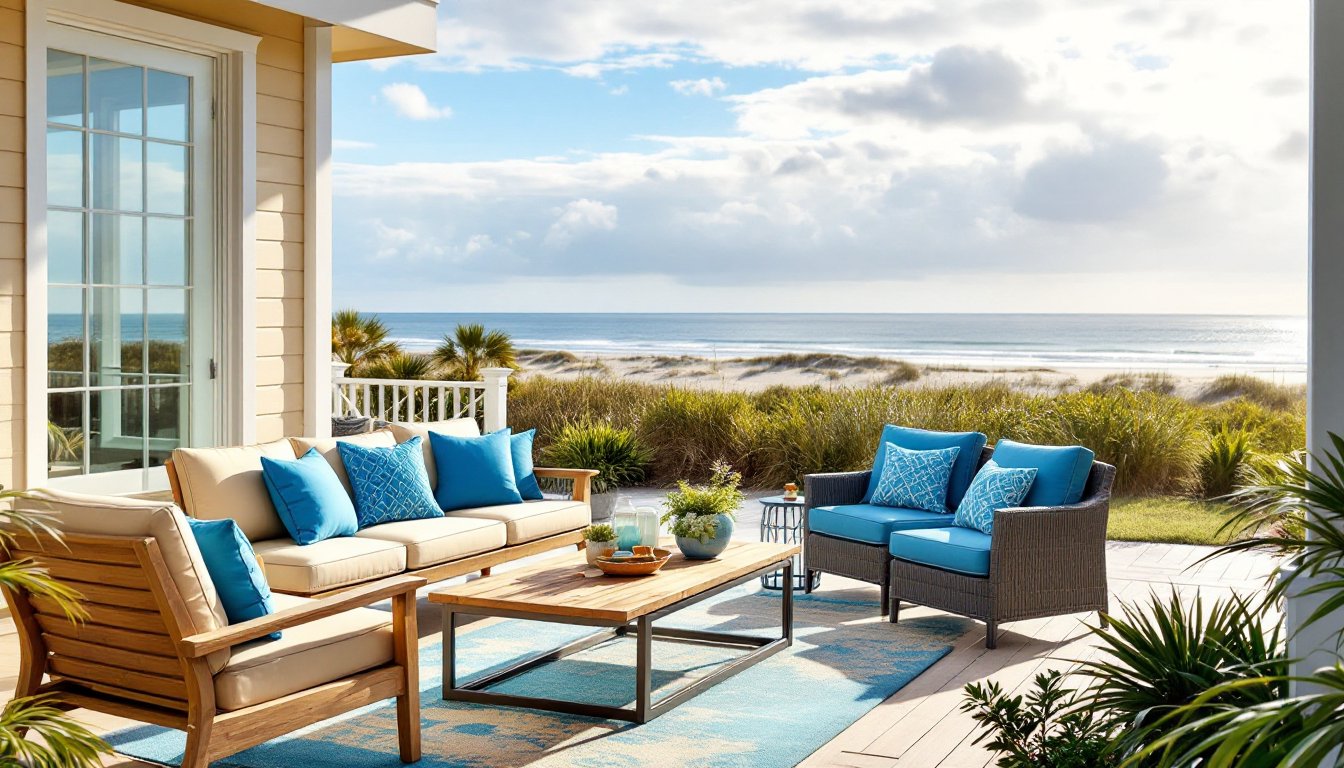
Myrtle Beach’s year-round sunshine and ocean breezes make it an ideal spot for outdoor entertaining, but they also pose unique challenges for patio furniture. Salt spray, humidity, UV exposure, and temperature swings wear down ordinary furniture fast. The right patio furniture doesn’t just look good, it stands up to coastal conditions and requires minimal fussing. Whether you’re furnishing a beachfront condo or a residential backyard, understanding what works in this climate saves money, frustration, and countless hours of replacing corroded cushions. This guide walks you through selecting, arranging, and maintaining patio furniture built to last in Myrtle Beach’s demanding environment.
Table of Contents
ToggleKey Takeaways
- Salt spray, humidity, and UV exposure require specialized patio furniture in Myrtle Beach, as standard furniture fails within 2–3 seasons while coastal-grade materials deliver 7–10 years of durability.
- Aluminum frames, teak or eucalyptus wood, solution-dyed acrylic fabrics like Sunbrella, and synthetic wicker are the best materials for resisting salt-air corrosion and fading in Myrtle Beach’s demanding climate.
- Monthly rinsing with fresh water, seasonal cushion cleaning, annual sealing for wooden pieces, and indoor winter storage are simple maintenance practices that significantly extend patio furniture lifespan.
- Strategic space planning—measuring your patio, noting sun exposure, marking obstructions, and grouping furniture into functional zones—creates an efficient outdoor layout suited to Myrtle Beach’s climate.
- Local Myrtle Beach patio furniture retailers and online coastal-specialty vendors offer better selection and expert guidance on regional challenges than national chains, often justifying higher upfront costs through superior service and durability.
Why Myrtle Beach Climate Demands Specific Patio Furniture Choices
Myrtle Beach sits in USDA hardiness zone 8b with hot, humid summers and mild winters, but proximity to the Atlantic creates coastal stressors that inland areas don’t face. Salt air corrodes unprotected metals and accelerates wood rot. Summer temperatures regularly exceed 90°F, intensifying UV damage to fabrics and finishes. Winter brings occasional freezes that stress materials through expansion and contraction. Spring storms deliver heavy rain and wind.
These conditions mean budget outdoor furniture (often treated as disposable) fails within 2–3 seasons. Better materials and construction methods cost more upfront but deliver 7–10 years of reliable service. Materials designed for coastal exposure resist salt-air degradation, moisture absorption, and fading far better than standard outdoor gear.
Cushions and textiles take the heaviest beating. Even outdoor-rated fabrics fade quickly under constant sun: quick-drying alternatives minimize water pooling after rain. The goal isn’t perfection, it’s choosing materials that forgive neglect and require only basic seasonal care.
Best Furniture Materials for Coastal Weather Resistance
Metal Frames
Aluminum is the go-to frame material for Myrtle Beach. It’s lightweight, corrosion-resistant, and requires zero maintenance, no painting or rust touch-ups. Powder-coated finishes add durability. Aluminum costs more than steel but outlasts it by years in coastal settings.
Stainless steel offers even better corrosion resistance but carries a premium price. It’s overkill for most residential patios unless you’re steps from the ocean.
Avoid bare steel and iron: salt air converts them to rust within months.
Wood Options
Teak is the premium choice, it naturally resists rot and insect damage and ages to a silvery patina. Teak’s cost ($1,500–$4,000+ for a small seating set) limits it to serious investments, but it genuinely lasts 15+ years with minimal care.
Eucalyptus offers similar durability at half the price. It’s sustainably harvested and holds up reasonably well to salt and humidity with annual sealing.
Pressure-treated pine and cedar are budget options ($200–$800 for basic sets). They’re adequate for covered patios but won’t handle full sun and salt spray without frequent maintenance.
Wicker and Rattan
High-quality synthetic wicker (polyethylene or polypropylene) resists water and UV fading much better than natural rattan. Look for products explicitly rated for coastal or marine environments. Frames should be aluminum, never wood. Synthetic wicker typically costs $800–$2,500 for a conversation set.
Cushion and Fabric Choices
Standard outdoor fabric fades noticeably within two seasons in Myrtle Beach’s intensity. Solution-dyed acrylic (like Sunbrella) resists fading and mildew far better. These fabrics cost 20–30% more but retain color and appearance for 5+ years.
Choose removable, machine-washable cushion covers when possible. Store cushions indoors during winter or invest in a weatherproof storage box.
Creating Your Ideal Myrtle Beach Outdoor Layout
Space Planning and Furniture Arrangement
Before shopping, measure your patio or deck accurately. Note the sun’s path, afternoon shade on the west side matters in a climate where summer highs reach 92°F. Mark any obstructions (doors, power outlets, railings) that affect furniture placement.
Group furniture into functional zones: a dining area near the house, a lounge zone in shade, and perhaps a beverage station. Aim for at least 3 feet of walking space between furniture clusters: cramped patios feel cluttered and limit traffic flow.
Consider prevailing winds. Beachside breezes are pleasant but can blow lightweight cushions and decorative items overboard. Anchor cushions with ties and choose heavier pieces or windbreaks for exposed locations.
Aluminum conversation sets work well for medium patios (200–300 sq ft) and pair easily with dining tables. For smaller spaces, multi-functional pieces, ottomans that serve as side tables, sectional modular elements, maximize utility. Larger yards can support both dining and lounge zones with a walkway between them, creating separate entertainment areas.
Seasonal adjustments save wear. During summer, shift lounge furniture to shaded corners. In winter, consolidate everything near the house to reduce sun exposure and wind stress.
Where to Shop for Quality Patio Furniture in Myrtle Beach
Local Myrtle Beach retailers offer the advantage of seeing furniture in person and securing fast delivery. Many shops specialize in coastal-appropriate materials and provide seasonal sales. Professionals specializing in outdoor setups understand regional challenges and can recommend layouts tailored to your site’s sun and wind patterns, resources like patio furniture professionals in Myrtle Beach connect homeowners with local installers and designers.
National chains (Wayfair, Overstock, Lowe’s) offer competitive pricing and broad selection but require self-delivery or shipping. Return policies are typically generous, and you can compare materials and prices across brands without leaving home.
Online specialty retailers like Polywood focus exclusively on coastal-grade materials and often provide detailed durability specs and customer reviews from similar climates.
Sourced inspiration from design-focused publications, Southern Living regularly features porch and patio ideas suited to warm, humid climates with practical seasonal advice. Country Living offers rustic outdoor decor ideas that blend well with casual beach homes.
When comparing prices, factor in delivery fees, warranty length, and ease of replacement parts. A $300 dining set from a big-box store may cost $400 after shipping: a $500 set from a local specialty shop might arrive assembled and backed by better customer service.
Maintenance Tips to Extend Your Furniture Lifespan
Consistent, minimal effort beats occasional deep cleaning. Rinse frames and cushions with a garden hose monthly during the humid season (May–September) to remove salt residue and mold spores. Fresh water prevents salt buildup that accelerates corrosion.
Clean cushions seasonally. Brush off debris, spot-clean stains with mild soap and water, and allow full air-drying before storing. Never stack wet cushions.
For wooden pieces, apply teak oil or marine spar varnish annually if you prefer the golden color: otherwise, let teak age naturally. Eucalyptus and pressure-treated wood benefit from a sealed finish every 18 months, use marine-grade sealers rated for coastal exposure.
Inspect aluminum frames and welds for white corrosion spots (aluminum oxide). A soft brush and aluminum cleaner address surface oxidation: deep corrosion signals frame replacement is due.
Store cushions indoors during winter (November–March). If space is tight, use a waterproof storage box with drain holes. Never wrap in plastic: trapped moisture promotes mildew.
Tighten bolts and fasteners annually. Salt air and UV exposure weaken joints over time. A quick check prevents wobbly tables or collapsing chair legs mid-party.
Apply sunscreen-rated fabric protectant to cushion covers annually: it reduces fading and water absorption without compromising breathability. Brands like Scotchgard marine-grade products are designed for this.
Winter is low-stress if you stack and cover lightweight pieces or move everything into a garage. Anchor heavier items or tie them down to prevent wind damage during spring storms.
Conclusion
Myrtle Beach’s coastal climate is unforgiving, but quality patio furniture built from salt-resistant materials and protected with basic seasonal care delivers years of reliable outdoor living. Investing in aluminum frames, teak or eucalyptus wood, solution-dyed fabrics, and synthetic wicker pays dividends in durability and reduced maintenance. With thoughtful space planning and smart storage during harsh seasons, your patio becomes a genuine extension of home, not a constant repair project.