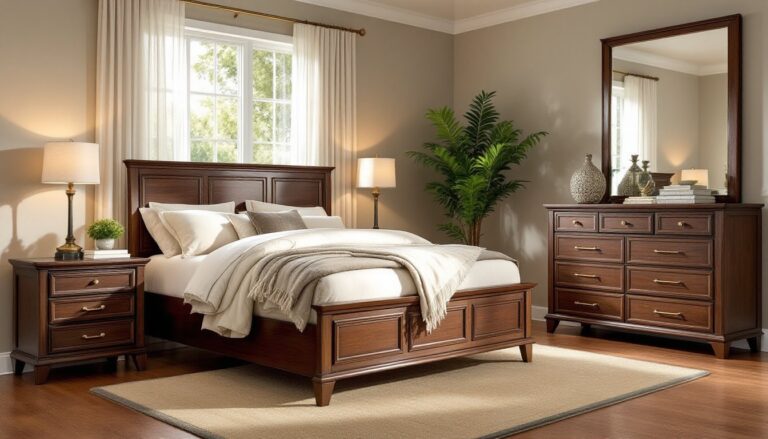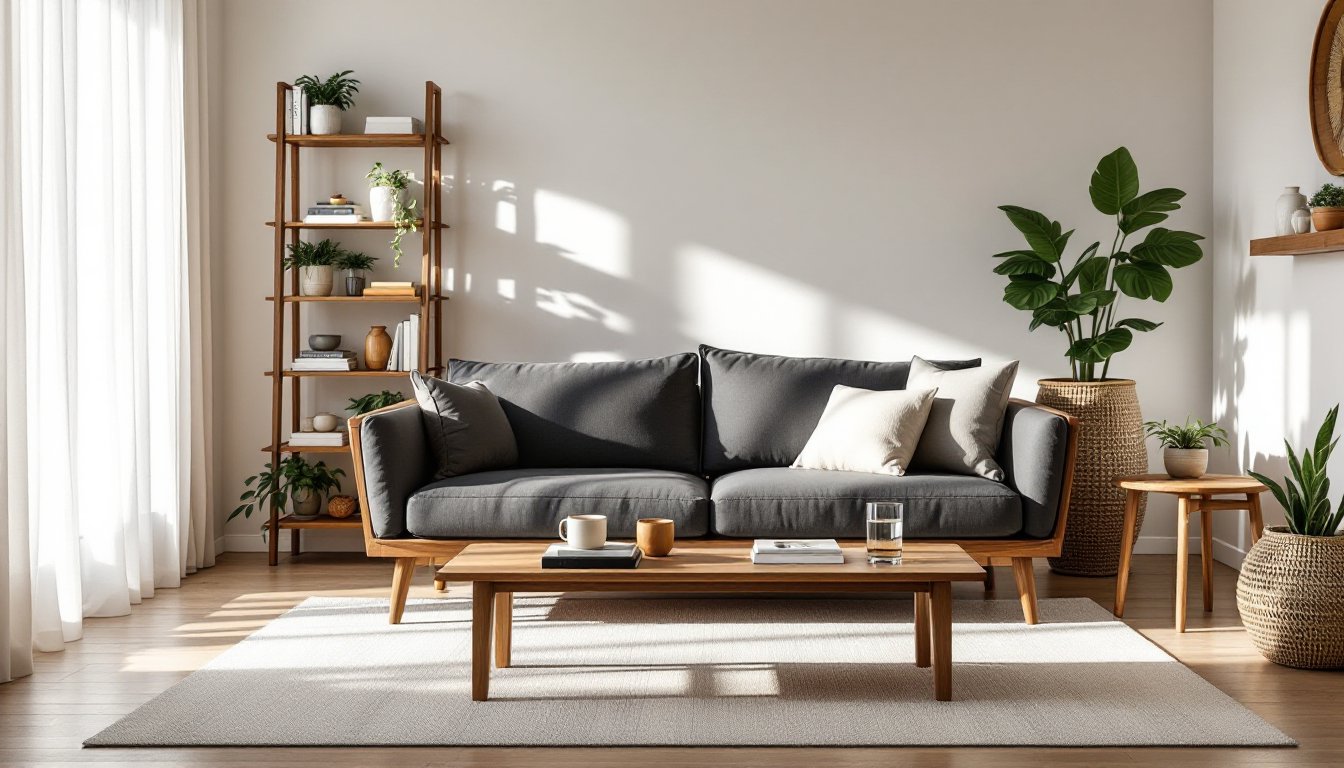
Wooden living room furniture has weathered trends for decades, and for good reason. Unlike temporary pieces that crack under seasonal humidity shifts or collapse after a few years of honest use, well-chosen wood pieces age gracefully, often becoming heirlooms. Whether you’re replacing worn upholstery with a solid wood sofa frame, anchoring the room with a statement coffee table, or installing floating shelves, wood brings warmth and authenticity that synthetic materials can’t replicate. This guide walks you through selecting, arranging, and maintaining wooden furniture that’ll anchor your living room for years to come.
Table of Contents
ToggleKey Takeaways
- Wooden living room furniture offers superior durability, repairability, and thermal regulation compared to synthetic materials, making it a long-term investment that ages gracefully rather than deteriorates.
- Hardwoods like oak, walnut, cherry, and maple are ideal for high-traffic pieces like sofas and coffee tables due to their density, while softwoods work better for shelving and decorative items in low-traffic areas.
- Quality construction features—mortise-and-tenon joinery, solid hardwood frames (not veneer over particle board), and proper thickness (1.5+ inches for tables, 1.75+ inches for loaded shelves)—directly impact longevity and performance.
- Mixing complementary wood tones and grains while pairing wooden furniture with contrasting upholstery and textiles prevents monotony and ensures wooden pieces enhance rather than overwhelm your living room layout.
- Maintaining humidity levels between 40–60%, using appropriate finishes, protecting surfaces with coasters and felt pads, and controlling sunlight exposure are essential to prevent warping, cracking, and fading of wooden furniture.
Why Wooden Living Room Furniture Remains a Design Staple
Wood endures because it solves real problems. First: durability. A solid oak or walnut coffee table withstands spills, pet claws, and the weight of a dozen throw pillows without warping, something particle board can’t match. Second: repairability. A scratch on a hardwood surface? Sand it out. A wobbly leg? Tighten the joinery or replace the corner block. Try that with veneered or laminated pieces.
There’s also the thermal and acoustic benefit. Wood naturally regulates humidity, expanding and contracting with seasonal changes in ways that reduce cracking over time (when properly finished). It also dampens sound better than metal or glass, making a wooden-furniture-heavy room feel less echo-y than one dominated by hard surfaces.
Finally, wood’s aesthetic flexibility is unmatched. The same piece of solid cherry or walnut complements a Scandinavian minimalist space, a farmhouse cottage, or a mid-century modern layout. Paint it, stain it dark, leave it natural, wood adapts. That’s why wooden living room furniture remains a safe long-term investment for anyone serious about their living space.
Essential Wood Types for Living Room Pieces
Hardwoods vs. Softwoods for Durability and Aesthetics
Not all wood is created equal, and this matters when you’re dropping real money on a sofa frame or coffee table.
Hardwoods (oak, maple, walnut, cherry, ash) come from deciduous trees and are denser, harder, and more durable. Oak is highly grain-visible and takes stain boldly, great for traditional or farmhouse aesthetics. Walnut is richer and darker, lending itself to mid-century or contemporary setups. Maple is tight-grained and pale, ideal for Scandinavian looks. Cherry deepens with age and exposure to light, adding character over time. These woods handle the daily grind: kids jumping on sofas, pets scratching tables, and the occasional wine mishap.
Softwoods (pine, fir, spruce) are lighter, less dense, and cheaper. Pine is popular for rustic or cottage-style pieces because of its visible grain and natural warmth. But softwoods dent and gouge more easily and aren’t ideal for high-traffic coffee tables or pet-friendly homes. They work better for shelving, media stands, or decorative items you won’t abuse.
Construction matters as much as species. A solid wood piece means the entire visible surface is wood (or wood veneered with a veneer layer glued atop solid backing). Watch out for chairs or sofas with hardwood frames but cheap softwood leg blocks, that’s a recipe for wobbly furniture. Veneer isn’t bad if the core is quality plywood, but particle board underneath? That’s landfill waiting to happen.
Choosing the Right Wooden Sofa, Coffee Table, and Shelving
Sofas with wooden frames are where craftsmanship shows. Look for hardwood (oak, maple, walnut) frames with mortise-and-tenon joinery, that’s the traditional woodworking joint that locks pieces together without relying solely on glue. The frame should feel rock-solid: pick it up at a showroom and shake it gently. Any flex or creaking means the joints are already compromised.
For cushions, higher density (density measured in pounds per cubic foot) holds up longer. A sofa with 2.0+ density foam wrapped in quality fabric will outlast a cheaper piece with mushy foam that collapses within two years. Hardwood slats (not springs alone) under the cushions prevent sagging. If you’re handy, free DIY furniture plans can guide you through building your own frame.
Coffee tables are the abuse-taker of the living room. A thick hardwood top (at least 1.5 inches actual thickness, not veneer on particle board) resists water rings and scratches. Square or rectangular solid wood tops age beautifully: live-edge designs showcase natural wood character but require more care to prevent drying cracks. Ensure the legs are substantial and the joints are tight. A wobbly table signals structural trouble ahead.
Shelving can be floating shelves with hidden steel brackets or traditional bookcase units. Floating hardwood shelves (1.5–2 inches thick) handle books, plants, and decor without sagging if properly anchored into studs. Heavier loads (reference books, collectibles) demand 1.75-inch thickness minimum. Verify the bracket weight rating: undersized hardware turns your shelf into a disaster waiting to happen. Beginner-friendly woodworking projects often include shelf-building tutorials if you want to DIY custom pieces.
Styling and Arranging Your Wooden Furniture Layout
Wood’s warmth shines when pieces work together visually. That doesn’t mean everything must match, in fact, mixing wood tones (say, a walnut sofa frame paired with a lighter oak coffee table) creates visual interest. The rule: ensure wood grains and tones complement rather than clash. If your sofa frame is dark and heavily grained, pair it with lighter, subtler woods elsewhere.
Scale matters. A heavy, chunky wooden sofa in a small living room dominates: a lightweight frame with slim legs feels airy in the same space. Similarly, a massive coffee table in a tiny room blocks movement: a simple, slatted wooden table keeps sightlines open.
Arrangement itself: position the sofa as your focal point (opposite the TV or fireplace), then anchor with a wooden coffee table in front. Wooden side tables or console tables extend the wood-forward aesthetic without overdoing it. If the room feels too brown or tan, break it up with upholstery in contrasting colors or textiles in linen, wool, or cotton. This Living Room Minimalist Interior Design approach ensures wood pieces don’t overwhelm smaller spaces.
Layering matters too. A wooden shelving unit can act as both storage and a design element. Style shelves with books, plants, and small wooden accessories to reinforce the cohesive wooden aesthetic without feeling staged.
Maintaining and Protecting Your Wooden Pieces
Longevity comes down to honest maintenance. Wood’s worst enemies are moisture, direct heat, and harsh sunlight.
Humidity control is non-negotiable. Keep your living room between 40–60% relative humidity. Too dry (below 35%), and wood shrinks, causing joints to loosen and finishes to crack. Too humid (above 65%), and wood swells, leading to warping and joint stress. A cheap hygrometer (under $20) tells you what you’re dealing with: a humidifier in winter or dehumidifier in summer fixes most problems.
Finishing matters. Polyurethane, wax, and oil-based finishes each have trade-offs. Polyurethane (water- or oil-based) offers the toughest protection against spills and marks but looks plastic-y to some. Wax gives a natural feel and develops a patina but requires re-application every 6–12 months. Oil penetrates and enriches the grain but offers less protection against water rings.
Cleaning: Use a barely damp microfiber cloth, never soak wood. For stubborn spots, mild soap and water work: skip vinegar and alcohol-based products, which strip finishes. Dust regularly with the grain.
Protection: Coasters for drinks, felt pads under legs to prevent floor scratches, and a throw blanket to shield the sofa from pet claws extend life dramatically. For unique home furniture or heirloom pieces, consider professional refinishing every 5–10 years, a pro can sand out deep scratches and reapply finish without damaging the wood’s integrity.
Sunlight: Close blinds during peak sun hours if your wooden pieces are in a south-facing window. UV exposure fades stain color and can cause blotchy discoloration over time.
Conclusion
Wooden living room furniture isn’t a trend, it’s a foundation. Whether you prioritize durability, aesthetics, or both, choosing solid hardwood pieces and maintaining them properly ensures your investment ages beautifully. Start with one statement piece, a quality sofa frame or coffee table, and build from there. Your living room will feel warmer, more grounded, and genuinely lived-in for decades to come.