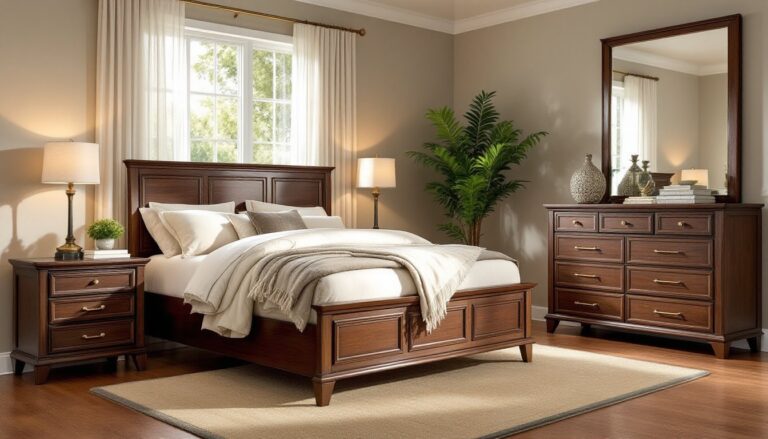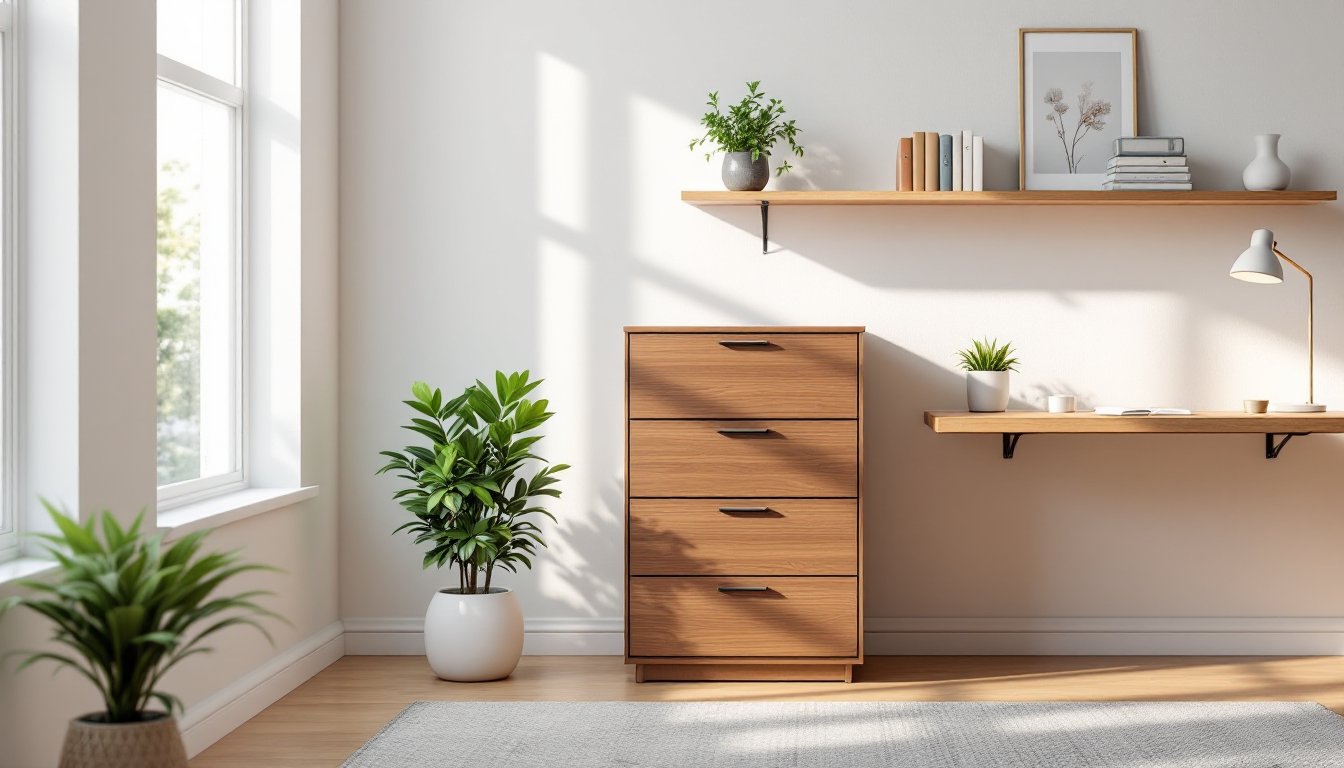
A cluttered desk breeds a cluttered mind, and a cluttered office breeds chaos. Filing cabinets aren’t just relics from the corporate world: they’re essential furniture pieces that combine function with modern aesthetics. Whether someone’s managing household documents, running a home-based business, or simply trying to corral the paperwork explosion that comes with adult life, the right filing cabinet transforms a workspace from chaotic to controlled. In 2026, filing cabinets have evolved far beyond the gray metal boxes gathering dust in basement corners. Today’s options blend clean design, durable construction, and real storage solutions that earn their place in any home office or bedroom.
Table of Contents
ToggleKey Takeaways
- Filing cabinets combine modern aesthetics with essential storage, transforming cluttered home offices into organized, professional spaces that support both mental clarity and workflow efficiency.
- Vertical cabinets save floor space for tight areas, while lateral filing cabinets offer easier access and better visual organization—choose based on your available space and daily document retrieval needs.
- Metal cabinets offer durability and fireproof protection for irreplaceable documents, while wood and composite options provide warmer, more decorative finishes that integrate seamlessly into bedroom and living room designs.
- Most households need one to two drawers (4,000–5,000 sheets per drawer), so measure your space first and estimate realistic paper volume before purchasing to avoid buying overkill.
- Use vertical file hangers, consistent labeling, and strategic placement near your desk to maximize filing cabinet functionality while styling the piece with desk accessories or plants to blend storage into your décor.
Why Filing Cabinets Are Essential for Home Organization
Paperwork doesn’t disappear, it multiplies. Tax documents, insurance policies, medical records, warranties, and utility bills pile up year after year. Without a dedicated filing system, important documents end up lost in drawers, scattered across shelves, or stuffed in random folders that no one can find six months later.
A proper filing cabinet solves this by creating a dedicated, labeled space where critical documents stay accessible and protected. It keeps sensitive papers secure and away from curious kids or pets. More importantly, it clears mental space: when homeowners know exactly where their mortgage paperwork or insurance information lives, they stop worrying about losing it.
For remote workers and freelancers, a filing cabinet also creates a visual boundary between work and living space. It signals “office area” to the brain, even in a small apartment or spare bedroom. The psychological weight of having a proper filing system shouldn’t be underestimated, it genuinely makes work feel more professional and intentional.
Types of Filing Cabinets and Which One Fits Your Space
Filing cabinets come in two main categories: vertical and lateral. Each has trade-offs in terms of footprint, capacity, and aesthetic fit.
Vertical vs. Lateral Filing Cabinets
Vertical filing cabinets are the narrow, deep models that store files front-to-back. They typically measure around 25 inches wide, 18 inches deep, and stand 26 to 67 inches tall depending on the number of drawers. Vertical cabinets take up less floor space, making them ideal for tight home offices, closets, or alcoves. But, they have a narrower front opening, which makes pulling files slightly more awkward when space is constrained.
Lateral filing cabinets are wider (36 to 52 inches) and shallower (18 to 20 inches deep), storing files side-by-side across the width. They’re easier to access, homeowners can see more files at a glance and grab what they need without reaching deep. Lateral cabinets feel more like furniture and anchor a room better visually. They’re the smarter choice if space allows, especially for a home office that doubles as a guest room or secondary bedroom.
Two-drawer models (around 28 inches tall) work as nightstands or compact desk additions. Four-drawer models (around 52 inches tall) provide serious capacity without dominating the room. Anything taller than five drawers starts to feel warehouse-like and should be reserved for serious paper hoarders or small business operations.
Materials and Finishes to Match Your Decor
Filing cabinets come in three primary material categories: metal, wood, and composite materials like engineered board.
Metal cabinets (steel or aluminum) are durable, affordable, and fireproof, a real advantage for protecting irreplaceable documents. Modern steel cabinets come in powder-coated finishes in whites, blacks, greens, and even warm tones that look intentional rather than institutional. Metal drawers glide smoothly with quality ball-bearing slides and hold heavy loads without sagging.
Wood filing cabinets blend seamlessly into living spaces and bedrooms. Solid wood (oak, walnut, cherry) costs more but ages beautifully. Engineered wood or veneer is budget-friendly and comes in finishes that match existing furniture. Wood cabinets feel warmer and less “office-y,” making them the choice for homeowners who want storage that doesn’t announce itself.
Composite and particleboard options are lightweight and available in trendy colors and finishes from contemporary design retailers. They’re affordable and stylish but less durable over time, especially with frequent drawer opening and closing. If choosing composite, look for models with reinforced drawer frames and quality drawer slides, that’s where cheap construction shows first.
When selecting a finish, consider the existing room palette. A light wood cabinet works in minimalist or Scandinavian-inspired spaces. Matte black complements industrial or modern decor. White or cream blends into transitional and farmhouse interiors. Modern design inspiration often showcases filing cabinets as statement pieces, proving that smart material and color choices make storage genuinely beautiful.
How to Choose the Right Filing Cabinet for Your Home
Choosing the right filing cabinet requires honest assessment of three things: space, volume, and workflow.
Measure the available space first. Literally measure the floor and wall. A lateral four-drawer cabinet might be ideal, but it needs 52 inches of width and 20 inches of depth. If that’s too tight, vertical is the answer. Check ceiling height too, a tall cabinet under a sloped ceiling or low soffit won’t work, no matter how much someone loves it.
Estimate paper volume next. One drawer typically holds 4,000 to 5,000 sheets. Most households need one to two drawers: small business owners might need three or four. If someone’s unsure, one drawer is a safer bet than buying overkill, most DIYers underestimate how much space they’ll actually use, and an overstuffed cabinet is harder to navigate.
Consider workflow. If someone files daily and needs quick access, lateral with smooth drawer glides matters. If it’s archive storage for old tax returns, vertical tucked in a closet works fine. Add up the types of files: active client files, household records, archives, and so on. Label them mentally. This clarity prevents buying something that looks nice but doesn’t fit how documents actually move through the space.
Budget varies wildly. Metal two-drawer vertical cabinets start around $150–250. Solid wood lateral cabinets run $400–800. High-end designer filing cabinets with soft-close drawers and premium finishes exceed $1,000. DIYers can also convert IKEA KALLAX shelves into a filing cabinet using DRÖNA boxes and suspended file frames, a budget hack that yields a custom look for under $200.
Maximizing Storage While Maintaining Style
A filing cabinet only works if it’s actually used. Make it work harder by pairing it with smart accessories and placement.
Use drawer dividers or vertical file hangers to separate sections within each drawer. Instead of flat stacks that collapse, files stand upright, labeled on the spine. This works for anything from tax documents to project folders. It costs almost nothing and transforms usability.
Label clearly. Use a label maker or printed labels on a consistent font and size. “2024 Medical” is infinitely better than a handwritten scrawl that fades. Consistent labeling sounds tedious but saves hours of digging later.
Position the cabinet strategically. If it’s part of the daily workflow, place it within arm’s reach of the desk. If it’s archive storage, a closet, basement corner, or out-of-the-way bedroom wall works fine. A beautiful wood cabinet deserves a visible spot: a utilitarian metal one can hide in plain sight next to other office furniture.
Add styling touches. Decorate the top surface with a desk lamp, plant, or framed photo. Style books or decorative boxes on top blend the cabinet into the surrounding decor. Interior design ideas often show filing cabinets styled as part of a cohesive room, not isolated storage boxes. A throw rug anchors the piece if it stands alone. Pairing a cabinet with floating shelves above or beside it creates a more composed wall.
Conclusion
Filing cabinets are unglamorous until someone actually needs a document and knows exactly where to find it. The right cabinet, matched to space, capacity, and decor, transforms paperwork from a source of anxiety into a manageable system. Whether choosing metal, wood, or a budget-friendly DIY hack, the key is starting with honest measurement and realistic filing volume. Then the filing cabinet becomes what it should be: invisible infrastructure that just works.