When it’s time to upgrade your outdoor living area, the furniture you choose sets the tone for everything that follows. Meadowcraft patio furniture has earned a solid reputation for blending quality construction with thoughtful design, the kind of pieces that won’t leave you frustrated after a single season. Whether you’re furnishing a small courtyard or outfitting a sprawling deck, understanding what Meadowcraft offers and how to choose the right collection for your space can save you money and headaches down the road. This guide walks you through the brand’s standout features, its popular styles, and the practical considerations that matter most when selecting and maintaining patio furniture.
Table of Contents
ToggleKey Takeaways
- Meadowcraft patio furniture prioritizes durable construction with reinforced seams, UV-resistant cushions, and materials like wrought iron and aluminum designed to age beautifully outdoors without constant replacement.
- Choose Meadowcraft pieces based on your actual patio dimensions and primary use—contemporary aluminum collections suit smaller spaces while traditional wrought iron designs work best on larger patios with room to breathe.
- Invest in outdoor-grade cushion fabrics like Sunbrella, especially in humid climates, as they resist mildew and fading far better than standard upholstery and justify the upgrade cost through longevity.
- Extend Meadowcraft furniture lifespan to fifteen years or more with seasonal maintenance: rinse monthly, inspect wrought iron for rust annually, store cushions indoors during off-season, and apply protective coatings every couple of years.
- Layer textures and design elements like planters, shade structures, and string lighting around your Meadowcraft patio furniture to create inviting outdoor spaces that encourage actual use and entertaining.
What Makes Meadowcraft Stand Out
Meadowcraft has built its reputation on a straightforward promise: durable outdoor furniture that doesn’t require constant replacement. The brand focuses on solid construction methods rather than trendy shortcuts. Most Meadowcraft pieces use wrought iron frames, aluminum components, or sturdy wood as their foundation, materials chosen for how they age outdoors, not just how they look in a showroom.
One defining feature is the attention to joinery and welding. Unlike mass-market furniture where joints fail after a year or two, Meadowcraft pieces are engineered with reinforced seams and proper stress distribution. The cushions and fabrics are also a step up: they’re designed to resist UV fading and moisture absorption, which means your seating doesn’t transform into a mildew colony by midsummer.
The brand also resists the urge to over-complicate things. There’s no unnecessary ornamentation that traps water or collects debris. Every design choice serves a functional purpose. That practical mindset extends to assembly and repair, most parts are replaceable if something wears out, rather than forcing a full replacement of the entire piece.
Popular Meadowcraft Collections and Styles
Casual and Contemporary Lines
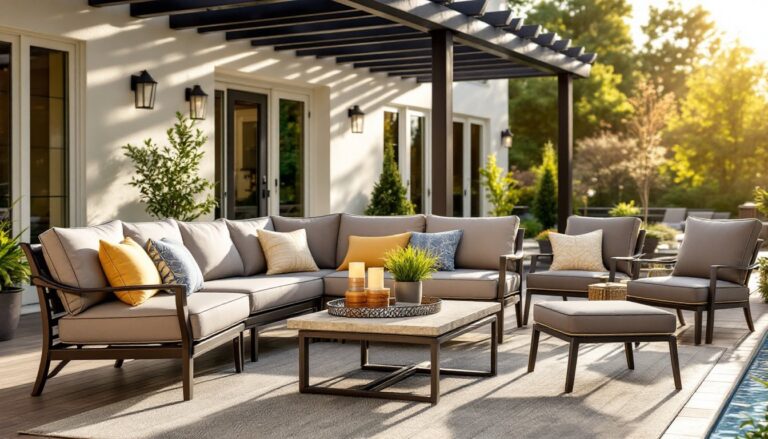
If your outdoor space leans modern or minimalist, Meadowcraft’s contemporary collections deliver clean lines without sacrificing comfort. These pieces typically feature aluminum frames paired with low-profile seating and generous cushions. The color palettes skew toward grays, blacks, and neutrals that complement most home exteriors.
Casual collections work particularly well for smaller patios or townhouse spaces where visual clutter matters. A contemporary sectional from Meadowcraft occupies similar footprint to a traditional setup but feels less heavy. Many of these lines also pair well with images of decks and patios that feature composite decking or modern stone pavers, the aesthetic carries through naturally.
Classic and Traditional Designs
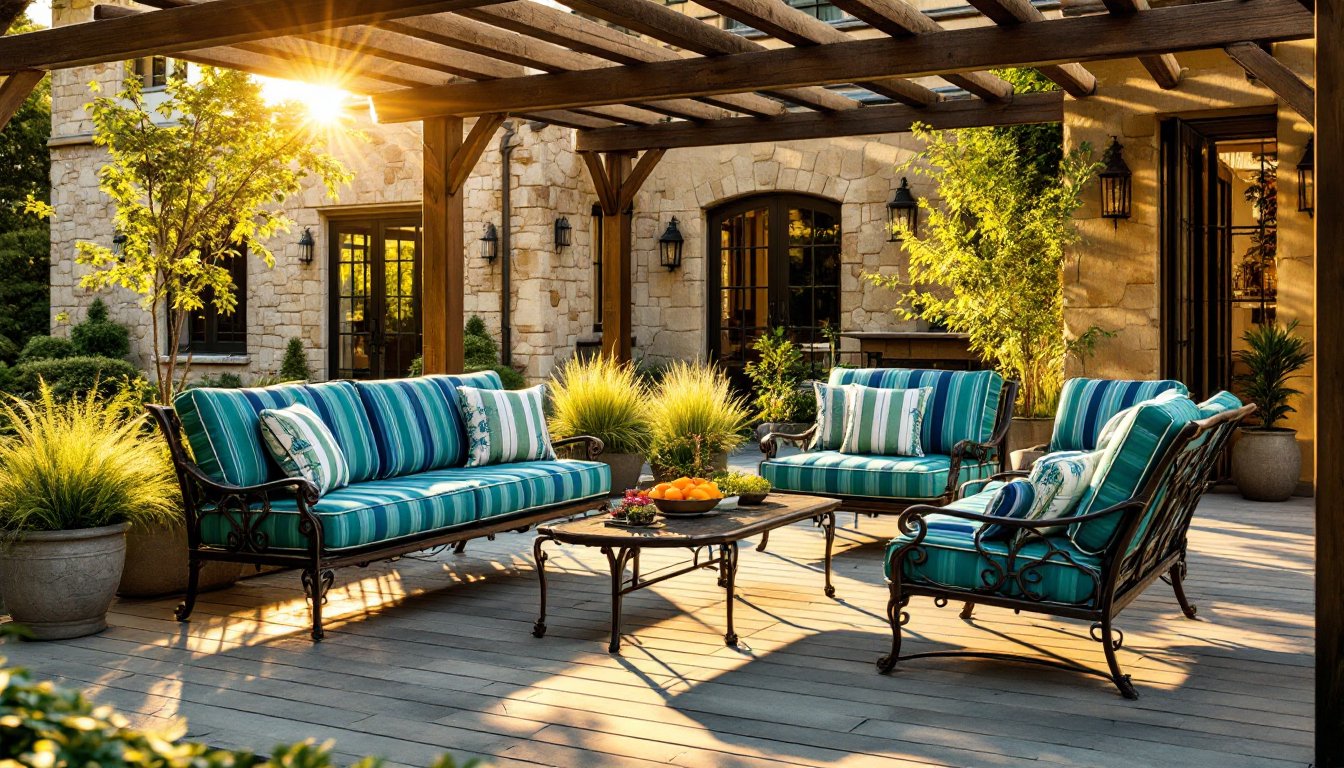
Traditional Meadowcraft collections lean into wrought iron frames with scrollwork and curves. These pieces evoke garden elegance without the European price tag. Dark finishes (bronze, black iron, copper) are standard, and they pair beautifully with ornamental cushions in stripes, florals, or solid jewel tones.
Classic lines work best on larger patios where there’s room for the curves to breathe. A traditional dining set with arm chairs, for example, becomes a focal point when arranged on a spacious deck. These styles also complement cottage home furniture aesthetics if you’re blending indoor and outdoor spaces. The wrought iron develops a weathered patina over time, some homeowners consider that character: others prefer regular maintenance to keep the finish uniform.
How to Choose the Right Pieces for Your Space
Start with your actual square footage and traffic patterns. Measure your patio or deck in feet, then sketch a basic layout. Many DIYers eyeball dimensions and end up with an oversized dining set that doesn’t fit comfortably. Meadowcraft pieces come in defined footprints, a 4-person dining set typically requires 10′ × 10′, while a sectional might need 12′ × 16′ with proper circulation space around it.
Next, consider your primary use. Are you hosting large dinners, or is this a quiet spot for morning coffee? Cocktail tables and lounge seating suit one scenario: a formal dining set suits another. Don’t buy “just in case”, you’ll end up with clutter instead of a usable space.
Material choice matters more than aesthetics alone. Wrought iron is heavier, develops patina, and requires more frequent cleaning but ages beautifully. Aluminum is lighter, resists rust, and needs minimal maintenance but can feel less substantial. Wood (usually teak or eucalyptus) offers warmth but demands yearly sealing or sanding. Regional climate influences this decision, coastal areas with salt spray favor aluminum: arid climates handle iron and wood more forgivingly.
Cushions and fabrics are worth the upgrade investment. Outdoor-grade fabrics like Sunbrella resist mildew and fading far better than standard upholstery. If you live somewhere humid, cushion quality is the difference between enjoying your furniture and storing it indoors half the year. Comparison shopping across Meadowcraft’s fabric options isn’t a waste of time, it’s insurance. Retailers like Home Meridian Furniture and similar dealers often stock multiple Meadowcraft options side-by-side, making it easier to evaluate finishes and feel before committing.
Care and Maintenance Tips for Longevity
The difference between Meadowcraft furniture that lasts five years and furniture that lasts fifteen comes down to seasonal prep and regular cleaning. Start with the basics: rinse your pieces monthly (or more often in dusty or coastal regions) with a garden hose. Debris and dust trap moisture and accelerate corrosion or rot.
For wrought iron, inspect welds and joints annually for rust creeping in. If you spot surface rust forming, scrub it with a wire brush and touch up with spray paint designed for metal (not general-purpose spray paint). The goal is to stop rust before it spreads into structural areas. A light coat of clear protective spray every couple of years extends the life of the finish significantly.
Aluminum requires less intervention. Rinse it regularly and you’re mostly done. If salt or mineral deposits build up, mild soap and water handle it. Avoid abrasive scrubbers that can dull the finish.
Cushions should be stored indoors during off-season months (roughly November through March in most climates, longer in wet zones). Even Sunbrella-grade fabrics eventually degrade under constant sun and moisture. A storage bin or waterproof storage bag costs $30–$50 and adds years to cushion life. Don’t just stack cushions on a shelf where they compress, keep them laid flat or rolled loosely.
Frame joints and hinges (on reclining chairs) benefit from occasional light lubrication. A silicone spray works better than oil, which attracts dust. Once a year is sufficient for most pieces.
Styling Ideas and Design Inspiration
The appeal of Meadowcraft furniture lies partly in its versatility. A single wrought iron settee can anchor a small reading nook or anchor one end of a larger seating arrangement. Mix traditional pieces with modern cushions (or vice versa) to create eclectic, personalized outdoor spaces. Dark metal frames actually recede visually when paired with light, colorful cushions, a useful trick for making compact patios feel larger.
Layering textures matters outdoors as much as indoors. Add a garden design element, planters with seasonal flowers, a small herb garden, or tall ornamental grasses, beside furniture groupings. This softens hard lines and creates definition without fences. A simple shade structure (pergola, sail shade, or umbrella in Meadowcraft’s accessories line) also transforms how usable a space feels during intense afternoon sun.
Illumination extends your outdoor season. String lights or low-voltage LED spotlights positioned near seating areas make evening gatherings more comfortable and safer. Meadowcraft’s wrought iron pieces photograph beautifully in warm evening light, if you’re documenting your space, lighting matters more than you’d expect.
For dining setups, a simple tablecloth weighted at the corners prevents blowing away while adding color and personality. Placemats and outdoor runners define the space and protect cushions from spills. You don’t need Pinterest-perfect decor: honest, functional styling feels more inviting anyway. Many homeowners report that once their outdoor furniture is solid and low-maintenance (like Meadowcraft), they actually spend time there, which is the entire point. Western living home design and regional outdoor entertaining traditions also offer inspiration if you’re looking to ground your style in something beyond trend chasing.