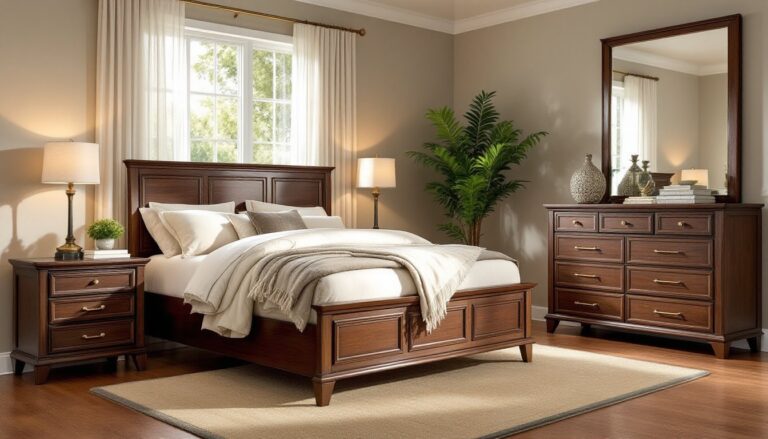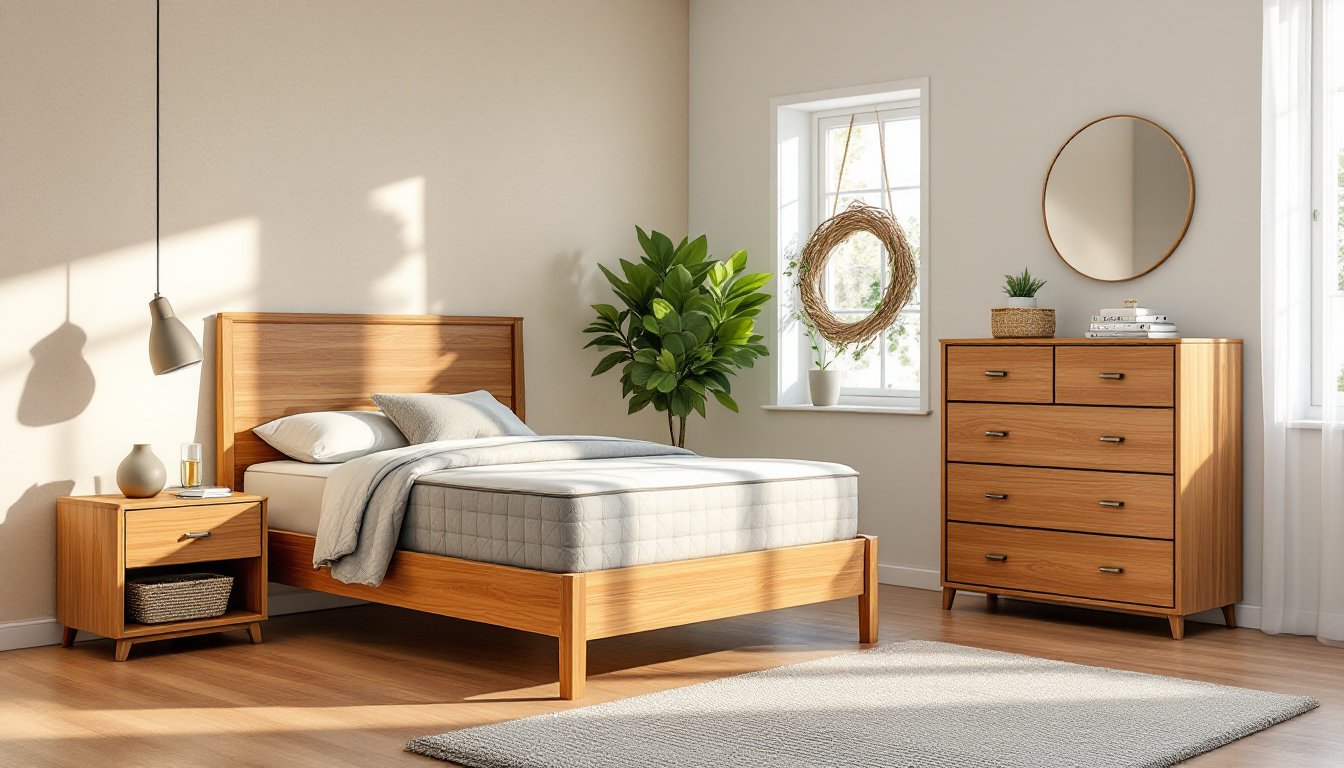
Picking the right bedroom furniture feels overwhelming when you’re staring at endless options online or walking through a showroom. You need pieces that look good, last for years, and actually support a solid night’s sleep. The best bedroom furniture balances durability, comfort, and style without very costly. This guide walks you through what separates quality pieces from the rest, which furniture to prioritize first, and where to find the best rated bedroom furniture for your space.
Table of Contents
ToggleKey Takeaways
- High-quality bedroom furniture features hardwood frames with dovetail joints and metal drawer slides rather than particle board and nailed construction, ensuring durability that lasts 10+ years.
- The best rated bedroom furniture prioritizes your mattress and bed frame first—these foundational pieces directly impact sleep quality and back health—followed by nightstands, dressers, and seating pieces.
- Invest in pieces you use daily (mattress, bed frame, primary dresser) at $800–$2,500, while budget retailers work fine for occasional items like nightstands and benches under $300.
- Verify quality by checking solid wood construction, smooth metal drawer glides, sealed finishes, and warranties of 5+ years, plus cross-reference reviews on multiple platforms like the Better Business Bureau and Trustpilot.
- Timing your purchase matters: end-of-season sales (December, July) offer 20–40% discounts, and mid-range options ($800–$1,500) often deliver the best balance of durability and value.
What Makes Bedroom Furniture High-Quality
High-quality bedroom furniture starts with solid construction. Look for hardwood frames, not plywood or particle board, that won’t wobble or sag after a few years. When you open a dresser drawer, it should glide smoothly on metal tracks (ball-bearing slides), not stick or bind. Joinery matters too: dovetail joints on drawers and mortise-and-tenon connections outlast nailed-together budget pieces.
Material quality separates the best from the mediocre. Genuine wood veneers over solid cores outperform thin veneers on MDF. Upholstered headboards should use high-density foam and quality fabric that resists pilling and fading. Check weight ratings on bed frames, a solid Queen-size frame should support at least 600–800 pounds without deflection.
Finishes tell you a lot too. Real stains and catalyzed lacquer hold up better than cheap polyurethane that yellows and cracks. Run your hand over the surface: it should feel smooth, not gritty or rough. Hardware like handles and hinges shouldn’t feel plastic or rattle when you touch them.
Finally, ask about warranties and certifications. Furniture rated by Consumer Reports or third-party labs (like BIFMA for office pieces) proves the manufacturer tested it. A 5-year or longer warranty signals confidence in construction. Don’t skip the fine print, some warranties only cover manufacturing defects, not normal wear.
Essential Bedroom Furniture Pieces to Prioritize
Not all bedroom furniture is created equal when it comes to impact on your daily life. Your mattress and bed frame are foundational, they directly affect sleep quality and back health. Nightstands come next because you use them every night. A dresser offers essential storage, and a second seating piece (bench, chair, or ottoman) rounds out the core.
Best Bed Frames and Mattresses
Your bed frame anchors the entire room and needs to handle weight without squeaking or flexing. Solid wood frames with a center support beam prevent sagging better than metal legs alone. Box springs or slatted foundations distribute weight evenly: if using slats, confirm they’re spaced no more than 3 inches apart to prevent mattress sagging.
Mattress firmness is personal, but Medium-firm suits most sleepers (side, back, and combo). Memory foam retains heat, add a breathable topper if that bothers you. Innerspring mattresses offer bounce but may transfer motion between partners. Hybrid options combine both. Most quality mattresses cost $1,200–$2,500 for a Queen: budget versions under $800 often wear out within 5–7 years, while premium options last 10+ years.
According to reviews of top bed frames, durability and ease of assembly rank highest for homeowners. Look for frames with easy-to-tighten bolts and slats that don’t require tools to adjust.
Quality Nightstands and Dressers
Nightstands should hold lamps, phones, water glasses, and books without tipping or wobbling. A 24-inch height matches most bed frames, so you can reach without leaning. Look for at least one drawer (for eye masks, medications, or personal items) and open shelf space underneath for a basket or extra storage. Metal drawer slides outlast wooden runners by years.
Dressers store clothing and define bedroom style. A 5-drawer dresser typically measures around 48 inches wide and offers 15–20 cubic feet of storage. Solid wood or plywood dressers hold up better than particleboard. Verify the back is reinforced (not just cardboard stapled on) and that drawers have stops so they don’t pull all the way out and crash on your toes.
When shopping, pull drawers open fully to check for smooth operation and internal dividers that prevent shifting. Verify the top surface is sealed against moisture, water rings ruin finishes fast. If you live in a humid climate, consider pieces with weather-resistant finishes.
Style Considerations for Your Bedroom
Your furniture style should reflect your taste, not Instagram trends. Modern furniture features clean lines, minimal ornamentation, and light woods or metal accents. Transitional pieces blend traditional details (turned legs, upholstery) with modern simplicity. Rustic or farmhouse styles use reclaimed or distressed wood and tend to feel cozy and worn-in.
Color palettes matter for sleep quality too. Warm neutrals (beige, soft gray, warm white) feel calm. Darker woods create coziness but can make small rooms feel cramped. Don’t feel locked into all-matching sets anymore, many homeowners mix wood tones (walnut dresser, oak nightstand) successfully.
Scale your furniture to room size. A massive platform bed with thick posts overwhelms a small 10×12 bedroom. An upholstered headboard takes less visual weight than a wooden one with carved details. Floating nightstands make rooms feel larger because you see the floor beneath.
Inspirational design ideas abound on interior design platforms where you can browse curated bedroom layouts and material combinations. Seeing real rooms helps you visualize proportions and color matches before buying.
Where to Source Highly-Rated Bedroom Furniture
National retailers like West Elm, Article, and Wayfair offer transparent reviews and liberal return policies (sometimes 30–60 days). Specialty stores like Ethan Allen or Thomasville focus on durability and warranty coverage, though prices run higher. Online-only brands ship directly and often undercut traditional stores by 20–30%.
Local furniture shops are worth a trip because you can sit on chairs, open all the drawers, and feel materials in person. Owners often offer custom finishes or rush delivery (sometimes negotiable). Consignment or secondhand options save money, check Facebook Marketplace, Craigslist, or local estate sales for solid vintage pieces that may outlast new furniture.
Before buying, read reviews on multiple platforms. Check the Better Business Bureau and Trustpilot scores, not just star counts. Look for patterns: if five reviewers mention drawers jamming after six months, that’s a red flag. Verify return shipping policies, some retailers charge $50–$150 to ship back heavy pieces, which eats into savings.
Renovation inspiration and design consultation services on design platforms let you connect with designers who can recommend furniture matched to your existing decor and room layout. Many consultations are free for product recommendations.
Budget-Friendly vs. Investment Pieces
Not every piece deserves a big investment. Nightstands, benches, and smaller storage items can come from budget retailers without major regret if they fail. A $150 nightstand looks identical to a $500 version in photos: the difference is durability and hardware.
Invest heavily in pieces you touch and use daily: your mattress, bed frame, and primary dresser. These items should last 10+ years and justify higher upfront costs. A $2,000 platform bed with real wood and quality joinery outlasts three $600 particle-board frames. The math works in favor of one quality purchase.
Mid-range options ($800–$1,500 for a dresser) often offer the best value. They use real wood construction without luxury pricing. Brands like Home Meridian Furniture bridge affordability and quality, balancing durability with reasonable costs.
Timing affects pricing significantly. End-of-season sales (December, July) can cut 20–40% off MSRP. Floor models or discontinued styles offer 30–50% discounts if cosmetic flaws don’t bother you. Watch out for “sales” that just mark up the original price, compare against historical pricing on retail tracking sites.
Consider modular or expandable systems. Starting with a dresser and nightstand, then adding matching pieces as your budget allows, gives flexibility. This also lets you upgrade one item at a time rather than committing $5,000 to a complete set.