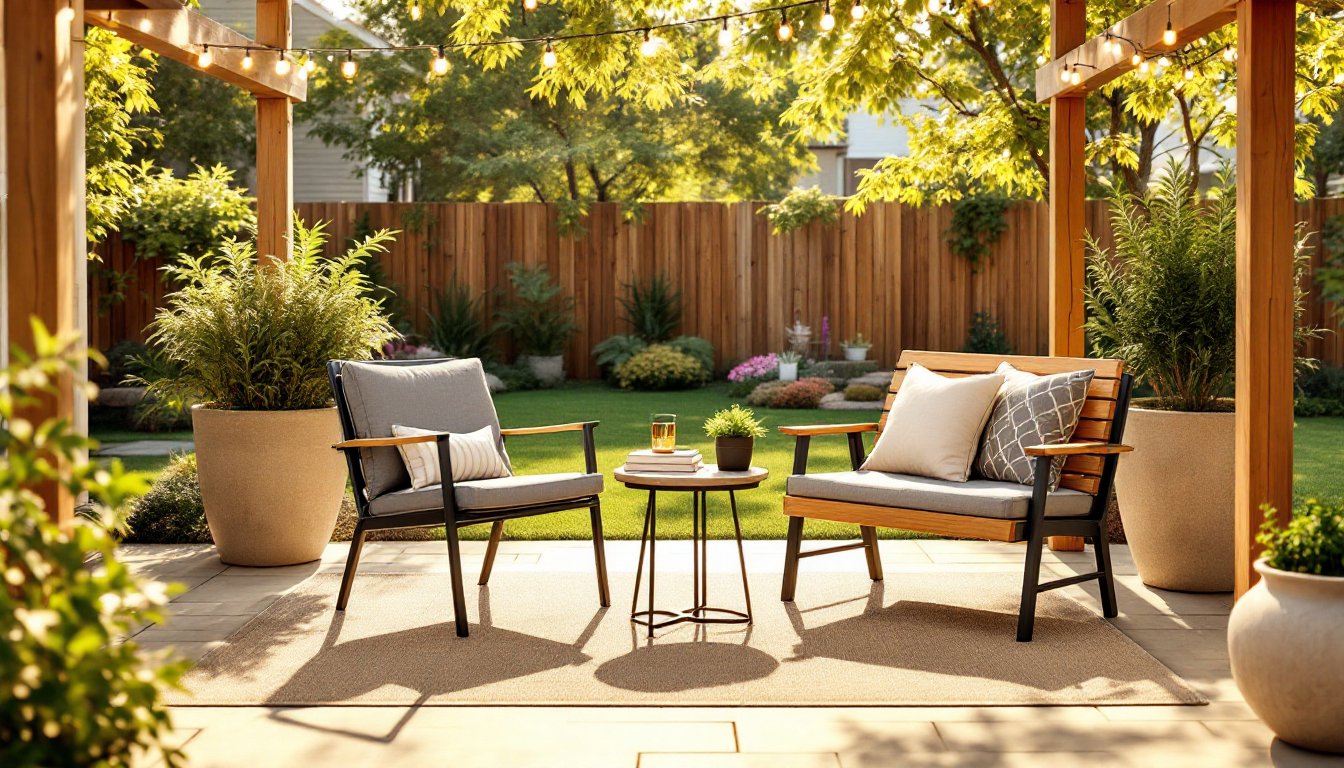
Building a welcoming outdoor space doesn’t require a luxury budget. Patio furniture under $150 offers homeowners and DIY enthusiasts a practical path to creating functional, stylish seating areas without the sticker shock of designer pieces. Whether you’re furnishing a small balcony, refreshing a tired deck, or building out a backyard entertaining zone, budget-conscious options have improved dramatically over the past few years. The key is knowing where to shop, what materials perform best, and how to mix affordable basics with smart styling choices. This guide walks through seven proven setups that deliver genuine comfort and aesthetic appeal at prices that won’t drain your project budget.
Table of Contents
ToggleKey Takeaways
- Patio furniture under $150 allows you to experiment with layouts and styles without financial risk while outdoor spaces naturally wear from sun and weather exposure.
- Metal-frame chairs with aluminum construction ($40–$80) and composite lumber benches ($70–$130) offer the best durability-to-cost ratio for budget patio furniture.
- Mixing affordable seating pieces with one or two quality accent items, outdoor rugs, and throw pillows creates a more curated and intentional space than buying a complete discount set.
- Material selection matters more than price: prioritize aluminum, treated wood, and composite materials over particle-board, which absorbs moisture and fails quickly in outdoor conditions.
- Styling with neutral furniture anchors, strategic color through accessories, plants, and intentional layout—arranging chairs for conversation and floating furniture center-patio—maximizes visual impact on any budget.
- Strategic shopping for patio furniture under $150 delivers genuine comfort and inviting aesthetics when you measure carefully, verify weather-resistant features, and plan for durability before checkout.
Why Budget-Friendly Patio Furniture Makes Sense for Your Outdoor Space
Budget patio furniture serves a legitimate purpose beyond just saving money upfront. First, it lets you experiment with layouts and styles without major financial risk. If you’re unsure whether a sectional will work on your deck or if you’ll actually use a dining set, starting with an affordable option proves the concept before investing in premium pieces.
Second, outdoor spaces wear faster than indoor rooms. Sun, rain, temperature swings, and UV exposure break down materials relentlessly. A mid-range chair that lasts 4–5 seasons may perform just as well as a high-end version, and the lower cost means less financial pain when replacement time comes. You’re also freed up to refresh your look seasonally without guilt.
Third, mixing budget and investment pieces is smart design strategy. Pair an affordable seating core with one or two higher-quality accent pieces, a solid outdoor rug, durable side table, or weather-resistant throw pillows. This layered approach maximizes visual impact and functionality while staying within overall budget constraints. Many homeowners find this hybrid method creates a more curated, intentional space than a full matching set of discount furniture.
Best Patio Seating Options Under $150
Affordable Chairs and Loungers
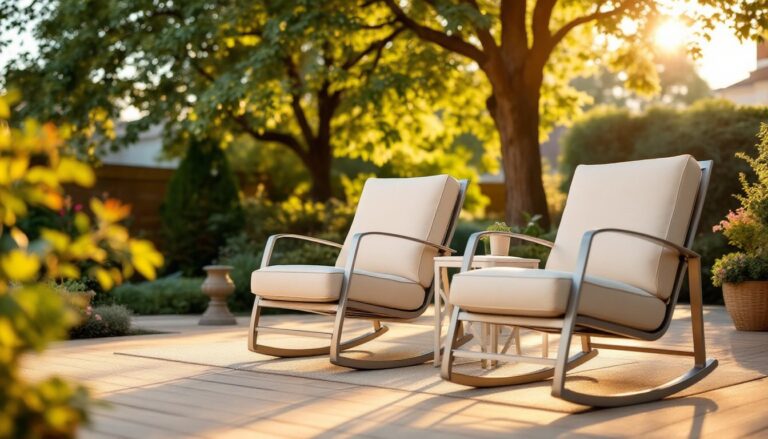
Single accent chairs and basic loungers anchor most budget setups. Metal-frame chairs with breathable fabric or vinyl slings cost $40–$80 and withstand seasonal exposure well. Look for models with commercial-grade aluminum frames: they resist rust far better than painted steel. Stacking designs maximize flexibility if storage is tight.
Wood-frame chairs in cedar, pine, or composite lumber run $60–$120. Real wood requires more maintenance (annual sealing or staining) but develops character over time. Composite lumber doesn’t rot and needs only occasional cleaning, making it a lower-maintenance choice for busy homeowners. Avoid ultra-cheap particle-board versions: they absorb moisture and fail quickly.
Lounge chairs and recliners under $150 are typically aluminum with fabric or mesh sling seats. They won’t rival a $400 premium lounger in cushioning, but solid examples provide comfortable afternoon reading spots. Check weight capacity and test the recline mechanism at purchase: cheap hinges fail within a season.
Compact Benches and Sectional Pieces
Benches deliver seating efficiency for small spaces. A 48–60 inch wood or metal bench ($70–$130) seats two to three people and doubles as a surface for plants or décor. Backless designs feel less bulky on tight patios: backed versions offer more support for longer sitting.
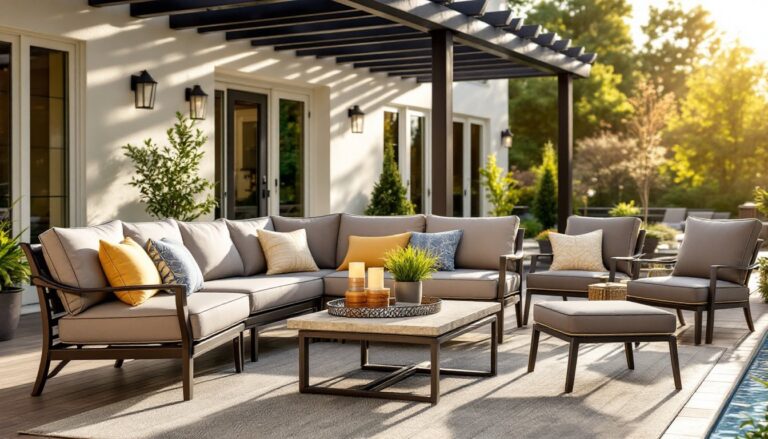
Modular sectionals and sectional corners under $150 exist, though they’re typically smaller or simpler than higher-priced lines. A budget-friendly sectional corner piece with basic upholstery can anchor a seating arrangement, especially paired with additional chairs. Material quality varies widely at this price point, test the stitching, check for loose cushions, and review durability ratings before committing. Outdoor sectionals with removable, washable covers offer flexibility and extend lifespan by protecting against stains.
Tables and Accent Pieces That Fit Your Budget
A solid side or coffee table completes most patio setups and often costs $40–$100. Metal frame tables with stone, glass, or ceramic tops resist weathering and require minimal upkeep. Avoid particleboard tops outdoors: they swell and deteriorate quickly when wet.
Wood tables in teak, cedar, or pressure-treated lumber last longer and age gracefully. A modest 24-inch diameter round table or 30×24 rectangular table offers enough surface for drinks and books without dominating a small patio. Composite or recycled plastic tables are durable, don’t splinter, and need only a rinse with the hose.
Dining tables under $150 are typically smaller bistro-style or folding versions. A patio dining setup with a basic table and four chairs often requires combining pieces to stay under budget, buying the table separately and mixing it with affordable stacking chairs, for example. Storage ottomans or benches pull double duty: seating plus hidden storage for cushions, throws, or pool toys. These run $50–$130 and work hard in tight spaces.
Material Guide: What Lasts Longest Without Breaking the Bank
Aluminum is the budget-friendly workhorse of outdoor furniture. It resists rust, is lightweight for rearranging, and handles temperature swings without warping. Painted aluminum frames can chip and may require touch-ups, but corrosion won’t undermine structural integrity. Look for powder-coated finishes over bare paint for better durability.
Vinyl and polyester fabrics on metal frames provide washable, fade-resistant seating surfaces. Higher denier counts (150D and above) hold up better to sun and moisture than cheap, thin fabrics. Check seams closely: loose stitching is an early failure point on budget pieces. UV-stabilized fabric lasts noticeably longer than untreated materials.
Wood options split into three categories. Real hardwood (teak, cedar) is initially pricier but becomes affordable long-term if you’re willing to maintain it. Softwood like pine or spruce requires annual sealing and is prone to splinters: plan for maintenance costs. Composite lumber (polywood, recycled plastic blends) eliminates rotting and splinters. It costs slightly more upfront but recovers that investment through 10+ years of zero maintenance.
Mesh or sling seats (vinyl webbing stretched on a frame) dry quickly, don’t collect water, and are nearly indestructible if the frame doesn’t bend. They sacrifice cushioning comfort but are perfect for active households or wet climates. Cushions and pillows add comfort but require removal during rain or storage indoors during off-season. Remove covers regularly and machine-wash them to extend lifespan.
How to Style Your Budget Patio for Maximum Impact
Styling elevated even basic furniture hinges on color, layering, and intentional spacing. Start with a neutral furniture anchor (gray, black, or natural wood) and add personality through outdoor rugs, throw pillows, and planters. A quality outdoor rug ($40–$80) grounds the seating arrangement and introduces color without very costly.
Throw pillows in weather-resistant fabrics ($12–$25 each) instantly soften hard surfaces and inject visual warmth. Mix patterns and solids, but limit yourself to two or three colors for a cohesive feel. Avoid piling cushions beyond what functional seating requires: too much layering reads as cluttered and hides the furniture line.
Plants and lighting elevate a basic setup dramatically. Tall planters with greenery draw the eye upward, making small patios feel less crowded. String lights or a single outdoor lantern create ambiance for evening use without heavy investment. Grouping similar-height potted plants together is more visually striking than scattered placement. Outdoor entertaining spaces benefit from intentional focal points, a fire table, wall-mounted planter, or statement piece draws attention and anchors the design.
Layout matters as much as aesthetics. Arrange chairs to encourage conversation, not face the television or driveway. Leave clear walking paths and avoid blocking sight lines from interior windows. Floating furniture in the center of a patio (rather than pushing everything against the house or fence) creates a sense of intentional gathering space, even with modest pieces. A single outdoor side table or stool between two chairs invites lingering longer than an empty, sparse arrangement.
Final Takeaways: Making the Most of Your Patio Budget
Affordable patio furniture succeeds when purchased strategically and styled with intention. Prioritize seating and shade first, these directly affect how often people actually use the space. Material selection drives durability more than price: aluminum, treated wood, and composite materials outperform ultra-cheap particle-board frames at any budget level. Don’t skip prep work: measure your space carefully, check weight capacities for the number of people you’ll host, and verify weather-resistant features before checkout.
Mix and match pieces from different sources rather than buying a complete budget set. This approach often yields better quality and more personal results than low-end matching suites. Budget patio furniture isn’t a permanent choice, it’s a smart starting point, a seasonal refresh, or a stepping stone to premium pieces later. With smart shopping and thoughtful styling, an outdoor space built on a $150 furniture budget delivers genuine comfort and inviting aesthetics year after year.