When you’re shopping for patio furniture, you want pieces that look great, hold up to the elements, and won’t leave you broke. Low-Lee patio furniture has built a solid reputation among homeowners who value durability and timeless design. Whether you’re furnishing a modest balcony or a sprawling deck, Low-Lee offers options that balance quality with accessibility. This guide walks you through what makes these pieces worth the investment, how to choose the right collection for your space, and how to keep them looking sharp for years to come.
Table of Contents
ToggleKey Takeaways
- Low-Lee patio furniture combines durability and timeless design through powder-coated aluminum frames and reinforced welded joints that resist corrosion and wobbling.
- Accurate space measurement and understanding your patio’s use—entertaining, lounging, or both—are essential to selecting the right Low-Lee pieces and avoiding costly assembly mistakes.
- Solution-dyed acrylic fabrics and sustainable wood options like teak or eucalyptus in Low-Lee collections age gracefully without frequent replacement, making them cost-effective long-term investments.
- Storing cushions indoors during winter, applying annual teak oil to wood frames, and using breathable covers during extended non-use can extend Low-Lee furniture lifespan from five to fifteen years.
- Modular sectional designs across Low-Lee collections allow you to start small and expand with additional seats or ottomans as your entertaining needs change, maximizing flexibility and value.
What Makes Low-Lee Patio Furniture Stand Out
Quality Construction and Materials
Low-Lee furniture is engineered with the understanding that outdoor pieces take a beating. Most collections use powder-coated aluminum frames as the primary structure, lightweight enough to move around, rigid enough to support adults comfortably, and corrosion-resistant for climates with salt spray or heavy rain exposure. The joints are typically reinforced with welded connections rather than bolted assembly, which reduces wobbling and increases longevity.
Seating surfaces vary by collection. Higher-end models use solution-dyed acrylic fabric that resists fading better than standard outdoor textiles. Budget-friendly lines may use vinyl mesh or basic polyester, which still offer decent durability but require more frequent cleaning. Cushions, when included, often come with removable, machine-washable covers, a practical detail that separates quality patio furniture from disposable alternatives.
Wood options in select Low-Lee collections use sustainably sourced teak or eucalyptus, both naturally resistant to rot and splintering. Unlike pressure-treated lumber, which requires constant sealing, teak develops a silvery patina over time and maintains structural integrity for decades with minimal intervention.
Design Aesthetic and Versatility
Low-Lee avoids trendy extremes. Their design language leans toward clean lines, neutral color palettes, and proportions that don’t scream “temporary.” This matters because a patio set is a semi-permanent installation, you’ll see it every morning from your kitchen window for five to ten years. Unlike Pinterest-worthy statement pieces that look dated in a season, Low-Lee collections age gracefully.
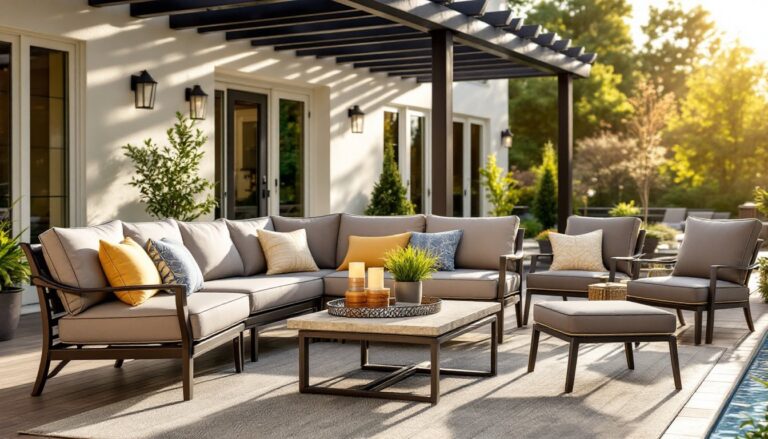
The furniture adapts well to different outdoor settings. A modern slatted sectional works equally well on a contemporary deck or next to a farmhouse-style cottage. Classic stacking chairs pair with rustic fire tables or minimalist concrete planters. This versatility is intentional, Low-Lee designs assume homeowners aren’t overhauling their outdoor space constantly. You can refresh the look with new cushions or accent pillows without replacing the frame.
Choosing the Right Low-Lee Pieces for Your Space
Assessing Your Patio Layout and Needs
Before you order, measure your space accurately. Include the width, depth, and any permanent obstacles, the grill, steps, planters. A 10×12 foot deck feels cozy with a 4-piece sectional but cramped with an 8-piece dining set. If you’re uncertain, sketch it to scale on graph paper or use a layout app. This prevents the frustration of delivery day when a sofa-sized chaise doesn’t fit through your gate.
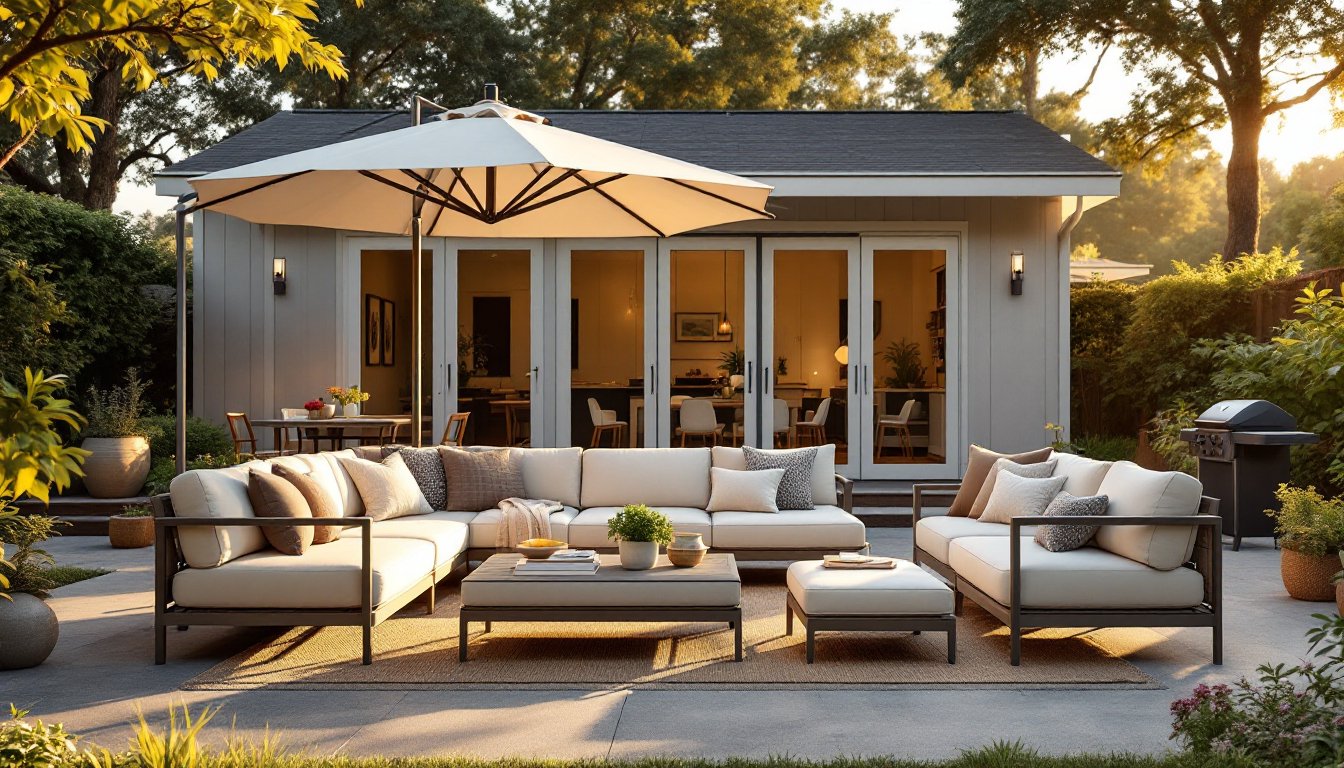
Consider how you use the space. Entertaining regularly? A dining-height table (30 inches tall) with four to six chairs is essential. Lounging with a book? Sectionals and recliners add comfort, though they demand more square footage. Multiple uses? Modular pieces from Low-Lee’s sectional lines let you reconfigure, start with a corner unit and add ottomans or additional seats as your entertaining needs shift.
Climate matters. If you live where winters are harsh, choose aluminum frames over wood: metal handles freeze-thaw cycles better. Collections featuring high-back chairs or umbrella bases are practical in sunny regions. In humid, salt-air environments, prioritize powder-coated finishes and solution-dyed fabrics. Low-Lee’s regional collections account for this, check their lineup for designations like “coastal” or “desert” variants.
Budget in cushions separately from the frame. A solid Low-Lee sectional frame runs $800–$2,500 depending on size and materials. Cushions add $300–$800. Buying them together versus separately affects total cost, so clarify what’s included before checkout. Many designers at Southern Living recommend investing in frame quality first, then upgrading cushions seasonally or as your preferences shift.
Popular Low-Lee Collections and Styles
Low-Lee’s catalog changes annually, but certain collections remain perennial favorites. The “Modern Edge” line features aluminum-frame sofas and chairs with minimalist geometry, clean for contemporary homes, understated enough for transitional designs. Cushions are optional, so you can buy the frame and pair it with premium fabrics from other vendors if you want.
The “Coastal Comfort” collection is engineered for maritime climates. Frames use sealed aluminum joints, and all hardware is stainless steel. Fabrics are solution-dyed and mildew-resistant. If you’re within sight of an ocean or living in a humid zone, this line handles the environment better than standard options. Expect to pay 15–20% more for corrosion-resistant hardware and finishes.
For traditional aesthetics, the “Estate Series” uses teak wood frames with mortise-and-tenon joinery, the same technique used in museum-quality furniture. These pieces are heirloom-grade: your grandchildren could sit in them. The trade-off: teak costs significantly more upfront, and you must apply teak oil annually to maintain the golden color (though silver-grey weathering is equally elegant if you skip maintenance).
Budget-conscious buyers gravitate toward the “Essential” line, basic aluminum frames, durable vinyl mesh, no-frills assembly. These aren’t fancy, but they’re rock-solid. Reviews from Sunset readers consistently praise Low-Lee’s Essential seating for reliability on rental properties and in high-traffic family backyards where durability trumps design finesse.
Modular sectionals appear across most collections, which is smart. A sectional core can be expanded with a chaise, ottoman, or additional armless seat as your family size or entertaining habits change. This adaptability extends the furniture’s useful lifespan.
Care and Maintenance Tips for Longevity
Outdoor furniture fails prematurely because of neglect, not defects. Start with annual cleaning. In spring, wipe down frames with warm soapy water and a soft brush to remove dirt, pollen, and bird droppings. For acrylic or vinyl cushions, use mild detergent and a damp cloth: never pressure-wash, as high-pressure water damages fabric fibers and seals.
Storing cushions indoors over winter extends their life by years. Remove them before the first hard freeze, store in a dry basement or garage, and keep them in sealed storage bags away from rodents. In regions with mild winters, stacking cushions directly on frames risks mildew if moisture pools underneath. A simple under-cushion moisture barrier (thin plastic sheeting) prevents this.
Wood pieces demand more attention. Teak-frame furniture benefits from annual teak oil application, use a food-grade or specialized teak product, not standard deck stain. This refreshes the color and protects against splintering. If you skip oiling, teak will silver but remain structurally sound. Eucalyptus is lower-maintenance but still benefits from occasional oiling to prevent surface checking (fine cracks).
Aluminum frames rarely need attention beyond cleaning, but inspect welds and joints annually for rust blooming under the powder coat. Small rust spots can be sanded and touched up with touch-up paint to prevent spread. Stainless steel hardware is corrosion-resistant: mild steel bolts may require periodic tightening as the frame naturally settles.
Use furniture covers during extended periods of non-use (three months or longer). Breathable covers are better than plastic tarps, which trap moisture and promote mildew. Store pieces in a garage or shed if possible. Covered storage isn’t glamorous, but it’s the difference between furniture lasting five years and fifteen.
For inspiration on integrating outdoor living spaces year-round, landscape designers at Gardenista showcase how thoughtful furniture placement and maintenance routines transform patios into true outdoor rooms.