A small bedroom doesn’t have to feel cramped or depressing. The right furniture strategy transforms a tight footprint into a functional, inviting retreat. Rather than stuffing a 10×12 room with standard-size pieces, which often leaves you squeezing past a dresser to reach the window, thoughtful furniture selection maximizes every square inch. This guide walks through proven space-saving solutions: multi-functional beds, vertical storage, and compact essentials that don’t skimp on comfort or aesthetics. Whether you’re furnishing a tight master, guest room, or studio apartment, these practical ideas prove that small bedrooms can be both stylish and livable.
Table of Contents
ToggleKey Takeaways
- Furniture selection for small bedrooms should prioritize multi-functional pieces like storage beds and wall-mounted solutions rather than oversized standard furniture that consumes floor space.
- Choosing a twin or full-size bed with a low-profile frame or integrated storage reclaims 5–10 square feet compared to a queen bed and maximizes usable space.
- Vertical storage through floating shelves, wall-mounted desks, and pegboards draws the eye upward, makes rooms feel taller, and eliminates the need for space-consuming freestanding units.
- Minimal nightstands, tall narrow dressers with tapered legs, and chairs with exposed legs create visual airness and prevent small bedrooms from feeling heavy or cramped.
- Styling discipline—including limiting surface clutter, using a cohesive color palette, and strategically placing mirrors—transforms small bedroom furniture into a serene and functional retreat.
Why Furniture Selection Matters In Compact Bedrooms
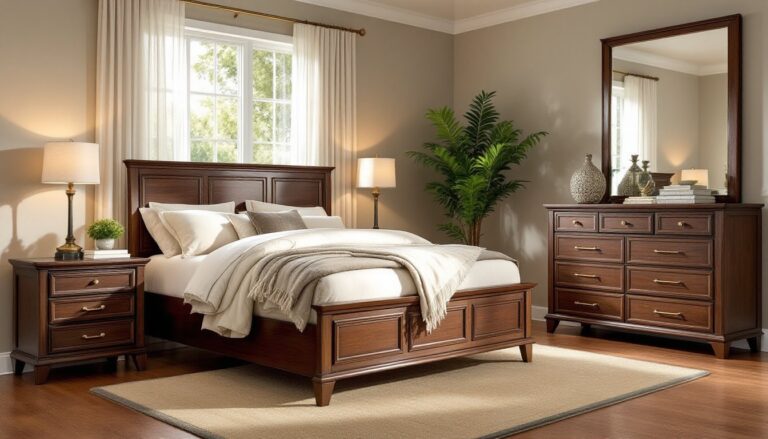
Scale and proportion aren’t luxuries in small spaces: they’re necessities. A queen-size bed that looks fine in a master bedroom can consume three-quarters of a small bedroom’s floor area, leaving no room for a dresser, desk, or even a clear pathway. The same rule applies to nightstands, dressers, and accent pieces: oversized furniture makes small rooms feel like storage units, not bedrooms.
The goal isn’t to buy smaller versions of everything, a cramped, dollhouse-like aesthetic isn’t appealing. Instead, it’s about choosing pieces that pull double duty. A bed with built-in drawers stores what would otherwise go into a bulky dresser. Wall-mounted shelves replace freestanding bookcases. A compact desk replaces a full vanity.
Measurements matter here. Before shopping, map your room on graph paper, marking doorways, windows, and the wall space you need for pathways. A standard bedroom door swings about 36 inches: a dresser shouldn’t block that swing. Your bed shouldn’t face the wall directly behind the door, you’ll feel cramped entering the space. These small planning steps save you from buying pieces that look good in isolation but feel wrong in your actual layout.
Multi-Functional Beds That Maximize Space
The bed is the largest single piece in any bedroom, so choosing the right style has outsized impact on how the whole room functions. For small rooms, a twin or full-size bed is often smarter than a queen, it reclaims 5–10 square feet compared to a queen’s footprint. If you need a larger sleeping surface, a low-profile bed frame (those with minimal clearance to the floor) visually lightens a room more than a tall headboard frame.
But, the real space-saving power comes from beds with purpose beyond sleeping. Platform beds with integrated storage, murphy beds that fold into walls, and lofted frames that create usable space underneath all stretch the utility of your square footage.
Storage Bed Frames And Under-Bed Solutions
A storage bed frame with built-in drawers or shelving reclaims valuable real estate from what’s normally wasted space. A full-size bed with four large under-bed drawers can hold off-season clothing, blankets, or books, eliminating the need for a separate dresser or storage unit. Brands ranging from budget-friendly to high-end offer these: the key is ensuring drawers slide smoothly on quality ball-bearing slides, not cheap plastic ones that jam after a year.
If you already own a bed, a low-profile under-bed storage container (plastic or fabric) adds capacity without changing your furniture footprint. Look for containers on wheels, they’re easier to pull out on carpet than solid-bottomed boxes. Avoid stacking multiple containers on top of each other: that defeats the visual lightness you’re after.
For those with truly minimal space and budget, a murphy bed (wall bed) that folds up when not in use opens an entire room for other functions during the day. These require wall space and structural support but can transform a small bedroom into a multi-purpose space, desk area, lounging zone, even a second closet. Apartment Therapy frequently features creative small-space solutions that include wall bed installations and compact bedroom layouts.
Vertical Storage And Wall-Mounted Options
The walls of a small bedroom are underutilized real estate. Vertical storage pulls double duty: it stores items without consuming floor space, and it draws the eye upward, making a room feel taller and less boxy.
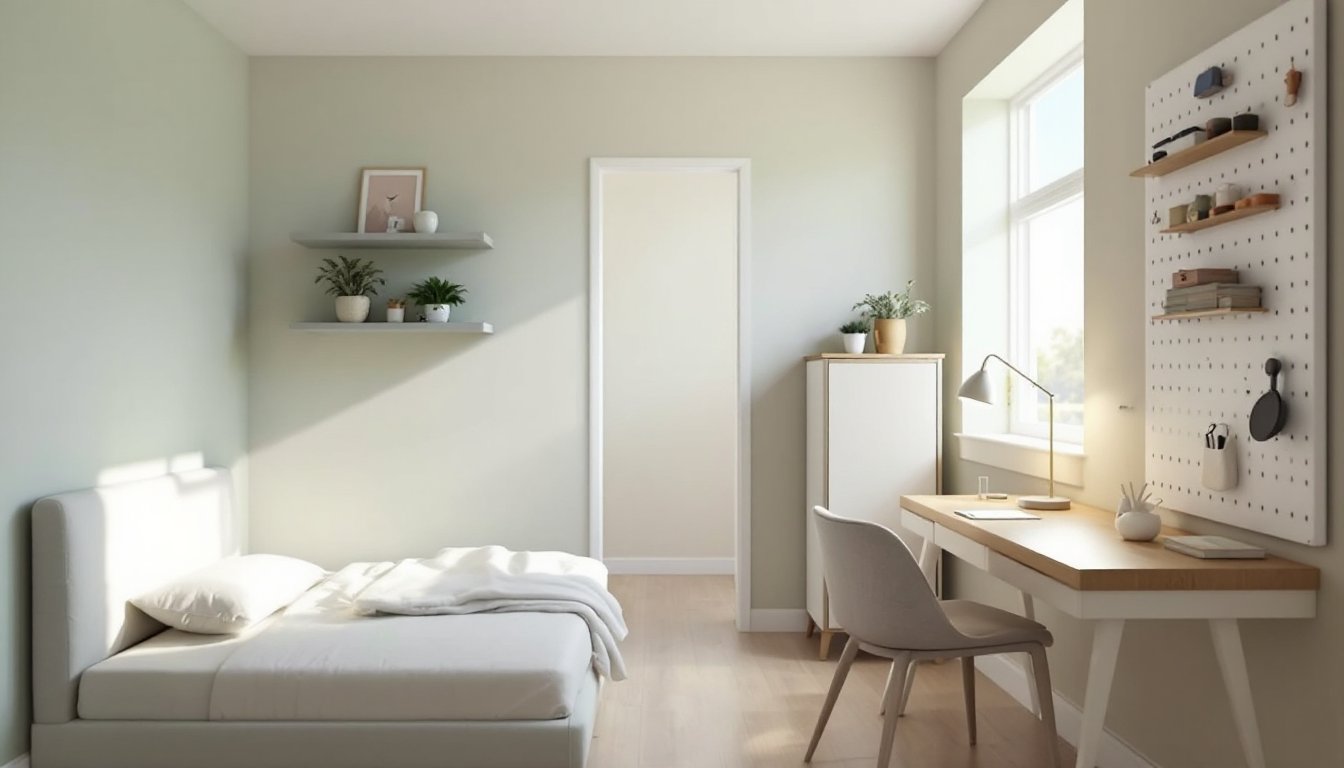
Wall-mounted shelves are the workhorse of small-space furniture. Floating shelves above a desk, nightstand, or dresser add display and storage without footprint. A set of two or three shelves at shoulder height can hold books, plants, decor, and personal items, replacing an entire bookcase. When mounting shelves, anchor them securely into studs (or use heavy-duty drywall anchors if studs aren’t available). A shelf rated for 25 pounds that sags under 15 pounds looks bad and invites disaster.
Wall-mounted desks fold or slide away, creating workspace when needed and reclaiming floor area when not. A floating desk (legs integrated into the wall mount, not touching the floor) further enhances the illusion of openness, light can pass underneath, and vacuuming is easier.
Pegboards and wall-mounted organizers work in bedrooms too, especially if you’re storing art supplies, jewelry, or tech accessories. These distribute items vertically rather than in drawers or on surfaces.
Color and material matter. Light-colored shelves (white, light gray, natural wood) recede visually, while dark shelves anchor a space. Glass shelves feel lighter than solid wood: wire shelves (like those from metal grid systems) feel less heavy than plywood. IKEA Hackers showcases clever wall-mounted modifications and creative storage hacks for compact spaces that prove you don’t need expensive custom installations to maximize vertical space.
Compact Bedroom Furniture Must-Haves
Beyond the bed, a functional small bedroom needs nightstands, storage, and a place to sit or work. Choosing right here is crucial.
Nightstands in small rooms should be minimal. A single narrow shelf mounted to the wall beside the bed replaces a chunky nightstand while holding a lamp and phone. If you prefer a traditional nightstand, choose a slim, single-drawer style (12–14 inches wide) rather than a full-size piece. A slim nightstand still holds a lamp and a few items but doesn’t dominate the sightline.
A dresser or chest of drawers remains essential unless you’re mounting shelves for all storage (which works but feels less stable for delicate items). For small rooms, a narrow dresser (36–42 inches wide) is more appropriate than a standard 48+ inch piece. Tall, narrow dressers (sometimes called “chests”) have a smaller footprint than wide, shallow dressers while holding the same volume. If your doorway is tight, measure before buying.
Nightstands And Dressers That Fit Small Spaces
Nightstands don’t all look the same. A pedestal table (with a central leg rather than four legs at the corners) takes up less visual space and makes a room feel less crowded. A nightstand with open shelving (no solid sides) also feels lighter. Avoid nightstands with a closed back and legs that create a “heavy” appearance: they read as blocky in a small room.
Dressers benefit from the same principle. A dresser with tapered legs (angled, not straight) feels more modern and less furniture-heavy than one with chunky block feet. Tall, narrow dressers paired with a wall-mounted shelf above them add storage without expanding footprint.
Seating is often skipped in small bedrooms, but a single accent chair or small bench at the foot of the bed adds function and coziness without overwhelming the space. Choose a chair with exposed legs rather than a fully upholstered base: the visual airiness matters. If floor space is truly critical, a floor cushion or pouf offers seating that stows in a closet.
A small desk or vanity rounds out a functional small bedroom. A 24-30 inch wide desk with a wall-mounted mirror above it creates a work/grooming zone without consuming the whole room. Homedit offers detailed room design concepts and furniture layout guides specifically for optimizing small bedrooms and studios.
Styling Your Small Bedroom Without Clutter
Furniture alone doesn’t make a small bedroom feel spacious, styling and organization do. A room full of good pieces but chaotic surfaces reads as cramped. A sparely furnished room with intentional decor reads as calm and intentional.
First, limit visible items on surfaces. A nightstand shouldn’t be a pile: it should hold a lamp, a phone, and one decorative item max. A dresser’s top should feature a mirror, a small plant, and that’s it. Use drawer and shelf dividers so items are organized out of sight. Small-space decor thrives on negative space, visual breathing room.
Second, choose a cohesive color palette. Bedding, walls, and major furniture pieces should complement rather than clash. A white or cream bed, soft gray walls, and natural wood furniture create a serene backdrop. Too many colors and patterns compete for attention in a small room, making it feel more chaotic.
Third, use mirrors strategically. A large mirror reflects light and creates a sense of depth. Position a mirror opposite a window to amplify natural light, or across from a lamp to double the light’s effect. Mirrored nightstands or dresser surfaces multiply light subtly without screaming “mirror.”
Finally, embrace vertical visual lines. Tall, narrow wall-mounted decor (a long vertical canvas, a tall bookshelf) draws the eye up, making ceilings feel higher. Park Home Furniture: Transform and Cottage Home Furniture: Transform both showcase how thoughtful furniture selection and styling creates cohesive, comfortable small spaces that maximize both function and aesthetic appeal.
Keep pathways clear. The ability to walk around your bed without squeezing is non-negotiable. If your layout forces you to brush the dresser to reach the door, something’s wrong, reconsider the placement or swap a smaller piece.