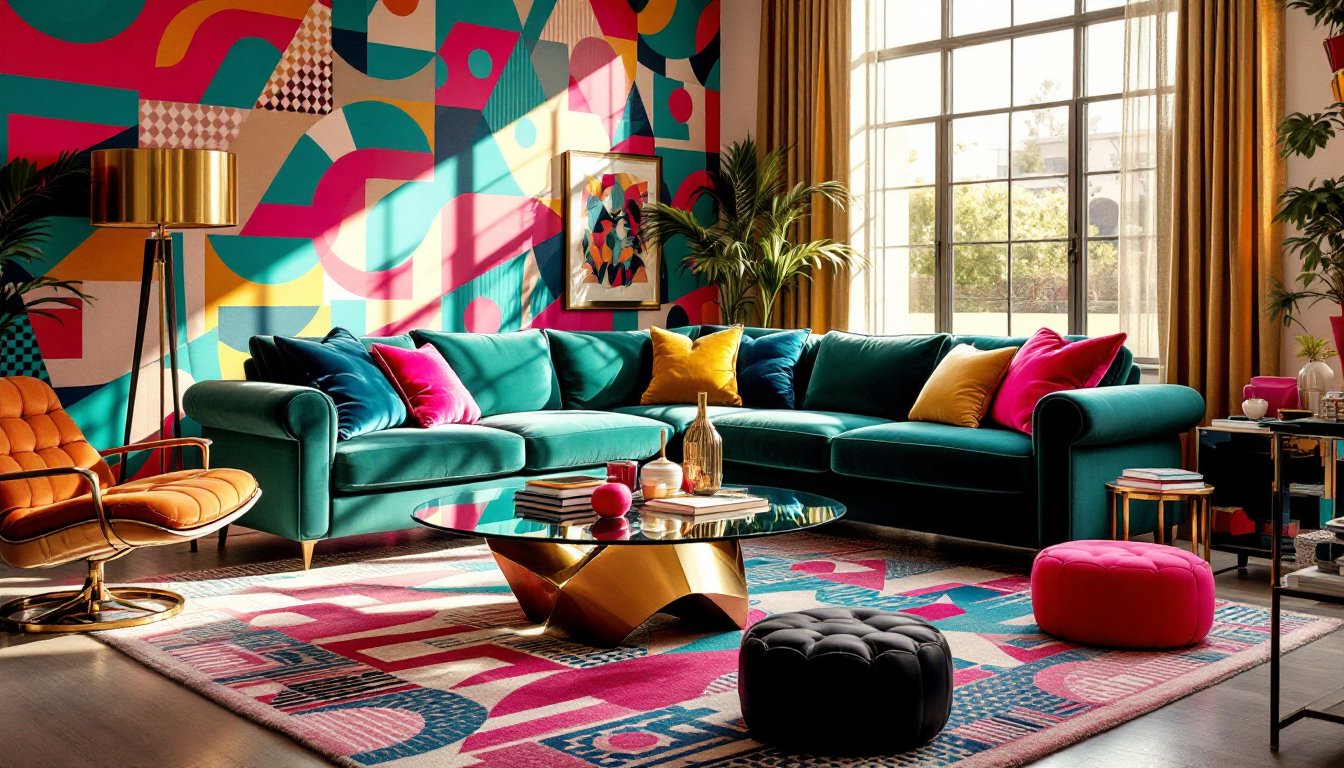
The 1980s aesthetic is back, and it’s not just about nostalgia. Homeowners and interior design enthusiasts are rediscovering the bold patterns, vibrant colors, and distinctive furniture pieces that defined a decade known for pushing boundaries. Whether you’re hunting for authentic vintage pieces or hunting down modern reproductions that capture the era’s spirit, understanding 1980s living room furniture helps you create a space that feels intentional, not accidental. This guide walks you through the key styles, essential furniture pieces, and color palettes that make 1980s design unmistakable, and shows you how to incorporate them into your home without the space feeling like a time capsule.
Table of Contents
ToggleKey Takeaways
- 1980s living room furniture defined itself through bold colors, geometric patterns, and unapologetic maximalism, from neon pinks and electric blues paired with jewel tones like emerald and sapphire.
- Memphis Design and Postmodernism movements rejected minimalism by embracing asymmetrical shapes, mixed materials, and sculptural furniture pieces that prioritized artistic expression over traditional design rules.
- Sectional sofas with plush cushions, oversized proportions, and velvet upholstery in saturated colors were the essential anchor piece of any authentic 1980s living room setup.
- Glass and chrome coffee tables with industrial-metal bases remain iconic 1980s furniture pieces that created a contemporary, futuristic aesthetic while making spaces feel visually open.
- Metallic accents including chrome, brass, and gold finishes mixed freely within the same room to create visual depth and sophistication against matte or textured surfaces.
- Authenticity in recreating an 1980s living room requires intentional commitment to bold color choices, layered patterns, and mixing metals—avoiding half-measures in favor of the decade’s confident, unapologetic design philosophy.
Iconic 1980s Living Room Styles and Design Trends
The 1980s brought together competing design philosophies in ways that should’ve clashed but somehow worked. Post-punk aesthetics met maximalist excess, while minimalist geometry danced alongside organic chaos. Understanding the core movements that shaped the decade helps you pick and choose which elements resonate with your space.
Memphis Design and Postmodernism
Memphis Design emerged from Milan in 1981 and immediately turned interior design on its head. This movement rejected the sleek minimalism that had dominated the 1970s, instead embracing asymmetrical shapes, unusual color combinations, and materials that weren’t “supposed” to go together. Bright turquoises sat next to hot pinks. Checkerboards met wavy lines. Laminate was celebrated, not hidden.
The visual language of Memphis Design included geometric patterns, bold primary colors mixed with unexpected pastels, and furniture that looked sculptural and playful. A Memphis style interior design breaks traditional design rules intentionally, it’s design that makes a statement and doesn’t apologize. Coffee tables weren’t just functional: they were art objects with unusual leg angles and laminate tops in clashing patterns. Sofas came in unexpected shapes with asymmetrical cushion arrangements.
Postmodernism in general challenged the “form follows function” rule that had governed modernist design for decades. Furniture became referential and ironic, often incorporating historical elements in unexpected ways. A chair might reference Art Deco lines but be rendered in bright neon colors. The overall effect was playful, slightly chaotic, and unapologetically experimental.
Maximalism and Bold Colors
While some designers were creating minimalist reactions, others leaned hard into “more is more.” Maximalism in the 1980s meant layering patterns, mixing metals, and letting colors sing without worrying about balance or restraint. A living room might feature wallpaper with bold geometric patterns, a patterned rug, patterned upholstery, and patterned throw pillows all at once, and somehow it worked because the energy was consistent throughout.
Bold color palettes defined the era: neon pink, electric blue, lime green, and hot orange appeared alongside jewel tones like emerald and sapphire. Metallic accents, particularly chrome, brass, and gold, added shine and depth. Velvet upholstery in rich saturated colors was everywhere. The confidence of the decade meant designers and homeowners weren’t afraid to commit to color: they painted entire walls in hot pink or installed blue velvet sectionals without second-guessing themselves.
Essential 1980s Furniture Pieces for Your Living Room
Certain furniture silhouettes became synonymous with 1980s living rooms. If you’re building a retro living room, these are the anchor pieces that signal the era immediately.
Sectional Sofas and Statement Seating
The sectional sofa was the workhorse of 1980s living rooms. Unlike the streamlined Scandinavian sofas that came later, 1980s sectionals were plush, oversized, and unapologetically comfortable. They often featured chunky cushions, deep seats, and generous proportions. Colors ranged from neutral grays and blacks (for more restrained interiors) to hot pink, teal, and burgundy velvet for bolder spaces.
Arm styles mattered too. Rolled arms, sloped arms, and sharply squared-off arms all appeared. Some sectionals featured a chaise lounge component, which maximized lounging real estate, crucial for a decade that invented the concept of the couch potato. Look for original pieces with original upholstery if you want authenticity, but modern reproductions capture the silhouettes accurately. Paired with a statement ottoman, perhaps one with a sculptural base or unexpected geometric shape, the sectional became the focal point.
Beyond sectionals, individual lounge chairs with angular frames or curved organic shapes offered additional seating and visual interest. Swivel chairs were popular, often featuring dramatic bases and upholstery in contrasting piping or patterns. Oversized floor cushions and poufs in velvet or textured fabrics added flexible, casual seating.
Glass and Chrome Coffee Tables
If any single piece sums up 1980s living room furniture, it’s the glass and chrome coffee table. These tables combined industrial-feeling chrome or metal bases with glass tops, creating an aesthetic that felt contemporary and slightly futuristic for the time. Bases ranged from geometric stainless steel frames to more sculptural designs featuring curved metal elements.
The glass-top design served a practical purpose: it didn’t visually anchor the room, making smaller spaces feel larger. It also showcased the flooring beneath. But functionally, glass tables required constant cleaning, fingerprints and dust showed immediately, which made keeping them pristine part of the 1980s living room ritual.
Variations included smoked or tinted glass tops, which added warmth and hid marks better than clear glass. Some tables featured glass shelves below the top surface, creating display space for decorative objects or magazines. The bases sometimes incorporated brass, black metal, or a mix of finishes. When shopping for these tables, whether vintage or reproduction, check that the glass is tempered (safer if it breaks) and that metal bases don’t wobble. HGTV often features renovation projects that showcase how vintage furniture pieces like these integrate into contemporary interiors, offering practical inspiration for placement and styling.
Color Palettes and Material Choices That Define the Era
The 1980s didn’t just reject the color palettes of previous decades, they actively attacked them. Understanding the materials and colors that defined the era helps you recreate or update these spaces authentically.
Color came in two main flavors. Bold, saturated colors, hot pink, neon green, electric blue, burnt orange, reflected the energy and confidence of the decade. These colors appeared on primary furniture pieces, walls, and accessories. Alternatively, jewel tones like deep emerald, sapphire, and ruby offered sophistication while maintaining richness. Teal and turquoise became iconic 1980s hues, appearing on upholstery, walls, and accessories.
Metallic accents were essential to complete the look. Chrome, brushed steel, brass, and gold finishes appeared on furniture bases, lighting fixtures, and decorative hardware. These metals often mixed within the same room, a space might feature a brass-based table next to chrome floor lamps, creating visual dynamism. The shine of metallics against matte or textured surfaces created depth and reflected light in ways that felt sophisticated.
Materials reflected the decade’s technological optimism. Laminate, once considered cheap, became celebrated for its graphic potential and durability. Velvet upholstery in saturated colors offered luxury and texture. Leather, often in bold colors like red or black, appeared on seating and occasionally as wall covering. Suede and other soft textures contrasted with hard, shiny surfaces. Glass and polished metals created that distinctive sleek-yet-colorful aesthetic.
Wallpaper featured geometric patterns, Art Deco influences, and bold stripes. Some homeowners embraced dramatic accent walls in solid colors while keeping other walls neutral. Flooring typically featured dark wood or laminate: area rugs in geometric patterns or solid jewel tones anchored seating areas. This Old House’s restoration guides provide thoughtful approaches to working with period materials and finishes when updating spaces with 1980s elements, balancing authenticity with modern functionality.
When recreating an 1980s living room today, commit to the color choices, the decade was confident, and authenticity requires that same conviction. Mix metals freely. Layer patterns if you’re embracing maximalism, or choose restraint with a few statement pieces in jewel tones and metallics. The key is intentionality: pick a direction and own it rather than halfway committing to the aesthetic.