Bedroom clutter has a way of stealing peace. Between seasonal clothes, extra linens, valuables, and the everyday overflow, most bedrooms lack sufficient storage without looking cramped. Hidden compartment furniture solves this problem elegantly, it combines everyday functionality with concealed storage that keeps items accessible but out of sight. Whether you’re working with a small bedroom or just want a more organized space, strategic furniture with secret drawers, compartments, and shelving offers practical storage solutions that don’t eat up floor space or compromise the room’s aesthetic.
Table of Contents
ToggleKey Takeaways
- Bedroom furniture with hidden compartments eliminates clutter while maximizing storage without adding visual bulk, improving sleep quality and reducing stress in your bedroom.
- Platform beds with underbed compartments and headboards with concealed shelving offer practical storage solutions that utilize vertical space without consuming additional floor area.
- Quality nightstands and dressers featuring hidden compartments, false bottoms, and lockable drawers effectively double storage capacity while maintaining a sleek, organized aesthetic.
- Lift-top ottomans and storage benches provide dual-purpose seating with concealed interiors perfect for storing pillows, throws, and seasonal items safely and accessibly.
- When selecting or building hidden compartment furniture, prioritize smooth drawer slides, quality locks, proper weight-load calculations, and secure wall anchoring to wall studs for safety and longevity.
Why Hidden Compartments Are Game-Changers for Bedroom Storage
Hidden compartments transform bedroom furniture from simple pieces into multifunctional storage systems. Unlike traditional dressers or nightstands, pieces with concealed storage maximize vertical and horizontal space without adding visual bulk. They keep jewelry, documents, cash, medications, and sentimental items secure yet within reach, a practical solution for homes with kids, roommates, or anyone who values privacy and organization.
The appeal goes beyond security. Hidden compartments reduce visual clutter, which studies on home environments consistently show improves sleep quality and reduces stress. A bedroom that feels calm and uncluttered promotes better rest. Also, pieces with hidden storage often cost less than buying separate furniture for both display and concealment. You get a nightstand that looks sleek while storing twice as much as a standard model.
Modern bedroom furniture with hidden compartments comes in styles ranging from minimalist contemporary to traditional, so you’re not locked into one aesthetic. The key is matching the piece’s function to your actual needs, don’t install a secret compartment if you have nowhere to put what you’ll hide in it.
Beds With Built-In Storage and Secret Drawers
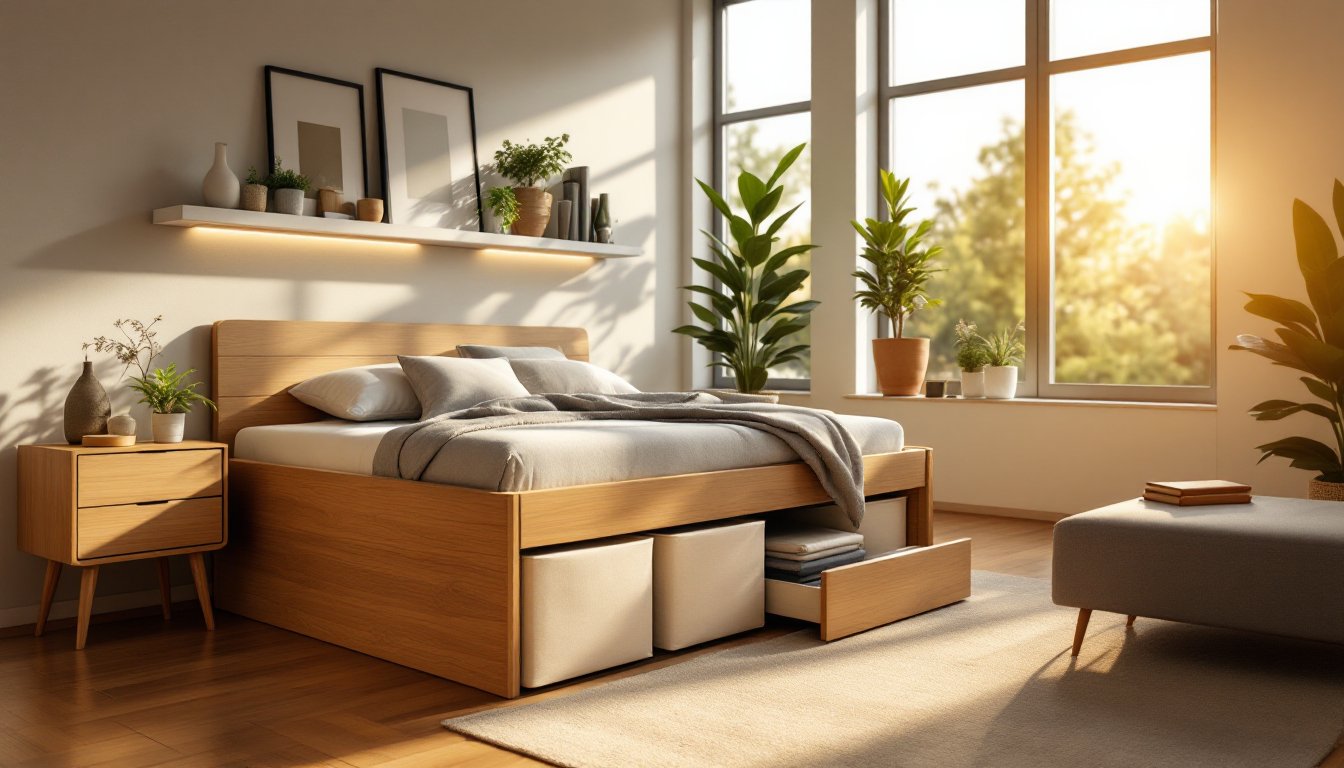
The bed is the bedroom’s anchor, so incorporating hidden storage here maximizes both comfort and utility. Modern bed frames now routinely feature underbed compartments, drawer sets, or lift-up platforms that reveal storage without you ever leaving the mattress area.
Platform Beds With Underbed Compartments
Platform beds eliminate the need for a separate box spring and create a large, accessible cavity beneath the mattress. Standard platform beds sit 12–18 inches off the floor, offering plenty of room for shallow plastic storage bins, seasonal items, or extra bedding. Some models include hinged or sliding panels that allow you to retrieve items without bending.
When shopping for or building a platform bed, verify that the bed frame can support your mattress weight plus stored goods. A Queen mattress alone weighs 60–90 pounds: add 50 pounds of stored items and you’re asking the frame to handle 150+ pounds. Look for frames with solid wood slats spaced no more than 3 inches apart or a plywood platform, and ensure the support legs or joists are rated for your combined load.
If you’re building a DIY platform bed, use 2×8 or 2×10 lumber for the frame rails (the larger dimension adds stiffness), and reinforce corners with steel brackets or wood blocks joined with wood screws rated for furniture use (typically #8 or #10, 2–3 inches long). Many DIYers build these from scratch following detailed tutorials on Instructables, where you’ll find step-by-step plans with material lists and assembly details.
Headboards With Hidden Shelving and Cabinets
Headboards are vertical real estate most bedrooms leave empty. A headboard with built-in shelving, lockable cabinets, or hinged compartments adds storage without floor footprint. Floating shelves tucked behind the headboard work for lighter items (books, plants, decor), while deeper cabinets hidden behind faux headboard panels store heavier or more private items.
Building a custom headboard with hidden compartments requires basic carpentry skills and about 3–4 hours for a simple design. Start with a plywood backing (typically 3/4-inch birch or oak plywood) attached securely to the wall studs with 3-inch wood screws every 16 inches (standard stud spacing). Then frame compartments using 1×2 or 1×4 lumber for internal structure, attach hinged doors using quality European-style hinges (which hide when closed), and finish with wood stain or paint matching your bedroom.
A famous DIY approach involves disguising a compartment to look like a regular bookcase, a concept popularized by IKEA Hackers, where a fake bookcase hides a secret cabinet using modified expedit shelving. The same principle applies to headboards: hinged doors look like solid wall paneling until opened.
Nightstands and Dressers With Concealed Storage
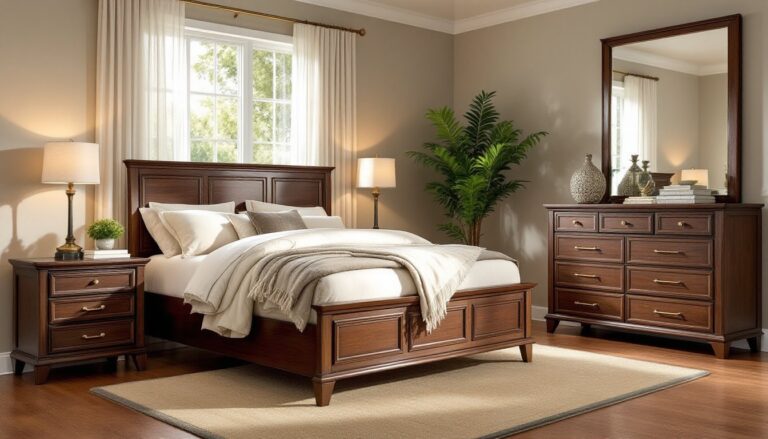
Nightstands and dressers are the workhorses of bedroom storage. When these pieces include hidden compartments, false bottoms, sliding panels, or lockable drawers, they effectively double their storage capacity without expanding their footprint.
Concealed nightstand designs typically feature a standard top drawer plus a hidden compartment behind a removable panel or accessed by sliding a drawer all the way out. Some models use magnetic closures to hide compartments that look like solid wood sides or backs. A quality nightstand with hidden storage usually costs $200–600 depending on materials and craftsmanship, though you can build a basic version for $80–150 in lumber and hardware.
Dressers benefit even more from hidden compartments because their height and depth allow for multiple secret storage areas. A dresser might have a false bottom in one drawer (ideal for storing jewelry or documents), a hidden shelf behind the back panel, or even a locking mechanism on a specific drawer. When choosing a dresser with hidden compartments, feel the weight and construction quality, heavier wood, dovetail joints on drawers, and hardwood (not plywood) fronts all signal durability.
Whether buying ready-made or modifying existing furniture, prioritize smooth drawer slides and quality locks if security is a concern. A basic three-drawer nightstand with one hidden compartment runs about 20–30 pounds, so a standard bedroom floor can support multiple pieces without reinforcement. But, if you’re storing heavy items (tools, weights, stacks of books), check that your joists can handle concentrated loads, bedrooms typically are built to support 40 pounds per square foot of live load.
Benches and Ottomans: Dual-Purpose Seating With Secret Spaces
Benches at the foot of the bed and ottomans alongside seating areas are prime real estate for hidden storage. A lift-top ottoman or bench reveals a hollow interior, perfect for storing extra pillows, throws, off-season clothing, or seldom-used items.
When selecting or building a storage bench or ottoman, ensure the hinge mechanism is rated for repeated opening and closing. Look for soft-close hinges or lid supports (pneumatic arms that slowly lower the lid) to prevent slamming and wear. A standard 48-inch wood bench with a hollow interior can safely store 30–50 pounds before you risk overloading the hinges or structure.
DIY building is straightforward: frame a 1×12 or 1×10 box from solid pine or oak, reinforce corners with wood blocks and screws, and attach a hinged top. A foam cushion or upholstered fabric cover makes it comfortable to sit on while hiding the fact it’s a storage unit. Most DIYers complete a basic storage bench in 2–3 hours with a circular saw, drill, and measuring tape.
For organization inside, add fabric dividers or small baskets to keep contents from shifting. This prevents the bench from becoming a catch-all where items get lost. Real Simple offers home organization tips and decluttering strategies on their site that help you decide what to store and how to organize it effectively, a valuable read before you fill that hidden space.
Upholstered ottomans with hidden compartments are available commercially but can be pricey ($300–700). Building one requires upholstery skills, so many DIYers buy a basic wood ottoman frame and add padding and fabric themselves, or pay a local upholsterer $100–200 to finish the job.
How to Choose and Install Hidden Compartment Furniture
Choosing hidden compartment furniture means balancing aesthetics, functionality, and budget. Ask yourself: What will you actually store? How often do you need to access it? Do you need security, or just organization?
For buying ready-made pieces:
- Check that doors and drawers operate smoothly: open and close them 5–10 times in the showroom.
- Verify that locks work and keys aren’t easily lost (some modern designs use magnetic catches or quiet soft-close mechanisms instead).
- Inspect joinery, look for dovetail or mortise-and-tenon joints in quality drawers, not just butt joints held with nails.
- Ask about weight capacity and assembly requirements (many pieces arrive flat-packed and need home assembly).
For DIY builds:
- Plan your hidden compartments during design, not after. Measure and sketch the space you’re working with, including door swing and reach.
- Use quality lumber and fasteners. Pocket hole joinery (using a Kreg jig and 2-inch pocket hole screws) is faster and cleaner than traditional mortise joints for storage furniture.
- Invest in good hinges and slides. Full-extension ball-bearing drawer slides cost more upfront but glide smoothly under load, while cheap hinges bind and wear out fast.
- Finish surfaces that will see contact with a durable topcoat, polyurethane or furniture wax protects wood and makes cleanup easy.
- If adding to bedroom drywall or attaching to studs, use 3-inch wood screws or lag bolts spaced every 16 inches to match stud centers. Use a stud finder to locate them first.
Installation safety:
- Always anchor tall dressers or headboards to wall studs to prevent tipping, especially in homes with children or pets.
- Wear safety glasses when drilling or cutting, and work gloves when handling rough lumber.
- If your bedroom floor feels bouncy or you hear squeaking, the subfloor may need reinforcement before adding heavy loaded furniture, consider consulting a contractor.
Test your hidden compartments before filling them with valuables. Make sure doors and drawers close fully, locks engage, and hinges don’t creak from repeated opening. A little maintenance now, wiping hinges clean, checking screws monthly, keeps these pieces functional for years.
The Smart Storage Investment
Bedroom furniture with hidden compartments transforms wasted space into functional storage without sacrificing style. Whether through a platform bed with underbed storage, a headboard with secret shelving, a nightstand with a false bottom, or an ottoman with a lift-top interior, these pieces give you room to breathe and peace of mind. Choose pieces that match your actual storage needs, prioritize quality construction, and anchor heavy furniture to studs. With thoughtful planning and solid craftsmanship, hidden compartment furniture pays dividends in both organization and comfort.