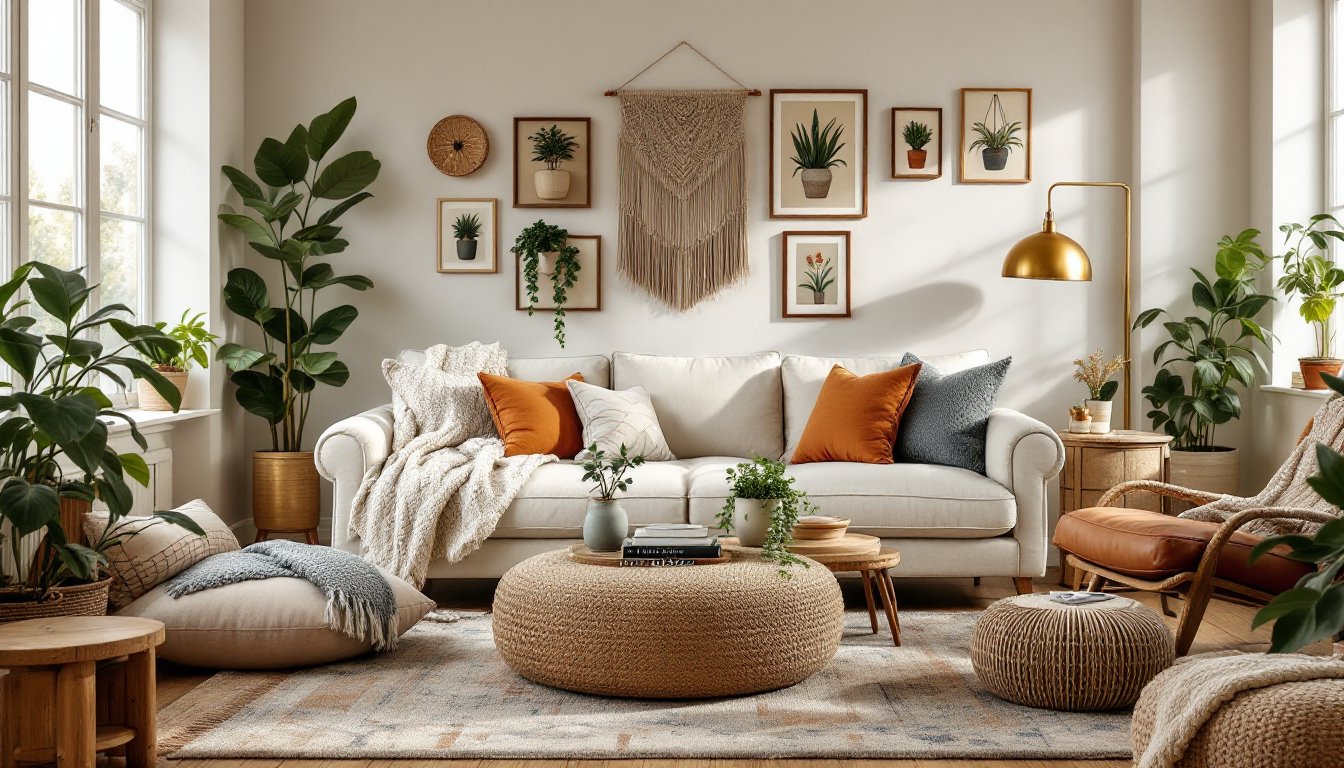
Boho living room furniture has become far more than a fleeting Pinterest trend, it’s a design philosophy that celebrates individuality, comfort, and layered aesthetics. Whether you’re drawn to the warm earth tones, natural materials, or simply the permission to mix patterns without apology, boho style invites you to create a space that feels lived-in and loved. This approach works for renters in studio apartments and homeowners with sprawling dens alike. Unlike sterile minimalism or rigid traditional décor, boho embraces imperfection and encourages you to source pieces that genuinely speak to your lifestyle. If you’re ready to transform your living room into a relaxed retreat, understanding the core elements of boho living room furniture and how to arrange them is your first step.
Table of Contents
ToggleKey Takeaways
- Boho living room furniture celebrates individuality, comfort, and layered aesthetics by mixing natural materials, warm earth tones, and eclectic vintage pieces without rigid design rules.
- An ideal boho sofa features oversized proportions, natural fabrics like linen or aged leather, and rolled arms or low-profile frames that prioritize comfort and a lived-in appearance.
- Natural wood coffee tables and accent tables in reclaimed oak, mango wood, or rattan with visible grain and organic shapes are essential anchors for bohemian living spaces.
- Texture layering through macramé, fringe, woven jute, throw blankets, and cushions in varying sizes creates the depth and visual interest that defines boho design.
- Arrange boho living room furniture to encourage conversation rather than perfect symmetry, combining seating zones, reading nooks, and gallery walls with plants and layered lighting.
- Build your boho living room intentionally over time by starting with a quality sofa and natural wood tables, then gradually adding vintage finds and meaningful pieces that reflect your lifestyle.
What Defines Boho Living Room Style
Boho, short for bohemian, draws inspiration from free-spirited, artistic traditions rooted in Eastern European and North African design. At its heart, boho living room style celebrates natural materials, warm color schemes, and an eclectic mix of vintage and handcrafted pieces. Think low-slung furniture, floor cushions, macramé wall hangings, and woven textures layered throughout the space.
The key to understanding boho is that it’s about intention without rigidity. You’re not following a decorating manual, you’re curating a collection of pieces that reflect your travels, interests, and values. Vintage finds sit alongside modern accents. Patterns dance together without matching perfectly. Wood, rattan, leather, and textiles mingle naturally. The hallmark is comfort first: if a piece doesn’t invite you to sit down and linger, it likely doesn’t belong. This philosophy makes boho uniquely forgiving for DIYers and budget-conscious decorators who’d rather hunt for one-of-a-kind finds than buy matching bedroom sets.
Essential Boho Furniture Pieces for Every Living Room
Sofas, Sectionals, and Low-Slung Seating
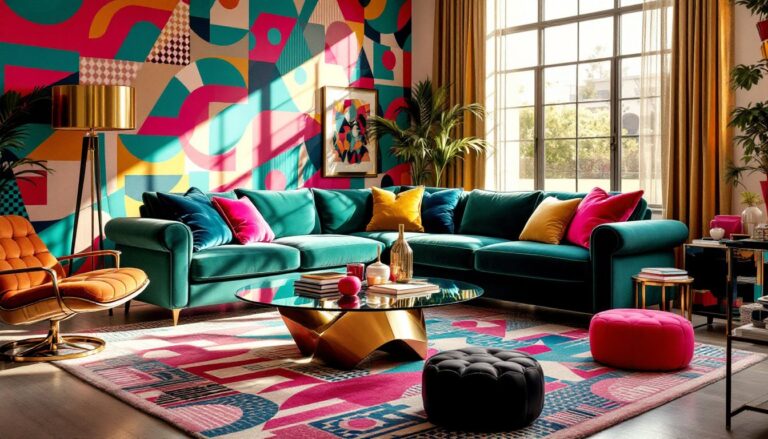
Your sofa sets the tone for a boho living room, and the ideal piece is oversized, slightly worn-looking, and upholstered in natural fabric like linen, canvas, or aged leather. Avoid ultra-modern sectionals with sleek metal legs: instead, look for sofas with rolled arms, button-tufting, or slipcovers that feel substantial without feeling stiff. Low-profile sofas, those sitting closer to the ground with exposed wood frames, align perfectly with boho’s relaxed aesthetic. If you’re working with a tight budget, consider pairing a vintage or secondhand sofa with throw blankets and layered pillows in varying textures: macramé, fringe, velvet, and woven jute. Floor cushions and poufs offer additional seating and reinforce that grounded, lived-in feel.
When selecting a sofa color, earthy tones dominate: warm grays, warm whites, rust, terracotta, or soft brown. You might also find pieces in deeper jewel tones like emerald or indigo working beautifully if balanced with lighter accents. Don’t shy away from patterned fabric if it speaks to you, boho thrives on pattern mixing. Gabby Home Furniture offers, making it easy to find a sofa that anchors your eclectic retreat.
Coffee Tables and Accent Tables
Boho coffee tables are where natural materials truly shine. Look for solid wood, reclaimed oak, mango wood, or teak, ideally with visible grain and a hand-finished look. Carved details, tapered legs, and organic shapes are signatures of the style. Rattan, woven sea grass, or even metal-wrapped wood creates visual interest without feeling overdone. Round or oval tables soften the geometry of a living room compared to sharp-cornered modern designs.
Accent tables should follow the same material philosophy: wood, metal, or woven surfaces. Side tables flanking your sofa, nesting tables for flexibility, and small console tables create layered surfaces for displaying collections, books, and plants. The beauty of this approach is that mismatched tables actually enhance boho’s eclecticism, a wood pedestal table next to a woven rattan piece tells a story. Unique Home Furniture pieces help you source statement tables that serve as both functional surfaces and conversation starters.
Color Palettes and Textures That Embrace Boho Aesthetics
Boho color palettes draw from nature: terracottas, warm ochres, sage greens, dusty blues, burnt oranges, and cream. These colors appear on walls, textiles, and artwork without strict rules, you layer them intuitively. A sage green wall pairs beautifully with rust-toned throw pillows and cream linen upholstery. Jewel tones like deep plum or teal work as accents rather than dominant hues, often introduced through artwork or a statement chair.
Texture is equally important as color. Mix woven natural fibers, jute, seagrass, sisal, with softer textures like macramé, fringe, and tassels. Incorporate metals (brass, copper, wrought iron) for warmth and subtle sparkle. Leather, both worn and polished, adds depth. Layered rugs (a larger base rug topped with a smaller patterned one) create dimension and visual interest while anchoring seating areas.
Furniture arrangement should feel organic, not architectural. Design experts agree that creates the depth boho demands. Wall art, macramé tapestries, woven hangings, or framed botanical prints, should feel collected over time, not curated all at once. Plants in ceramic pots, brass planters, and woven baskets complete the natural, lived-in aesthetic.
Styling Tips and Practical Arrangement Ideas
Start by defining your seating zones. In boho, sofas don’t need to face the television at perfect right angles. Instead, arrange furniture to encourage conversation: two chairs and a sofa angled toward each other with a low coffee table between them creates an intimate gathering space. Include a reading nook with a vintage armchair, ottoman, and floor lamp if your room allows it.
When layering textiles, begin with a large area rug in a neutral or muted pattern. Add throw pillows in varying sizes, some 24 inches square, some lumbar-shaped, mixing patterns and solid colors without fear. Drape a chunky knit blanket over the sofa’s arm or back for accessible texture and warmth. Cottage Home Furniture pieces, known for cozy charm and comfort, pair exceptionally well with boho styling, especially vintage or reclaimed wood pieces that anchor the space.
Wall space deserves attention. A gallery wall mixing frames (wood, rattan, unfinished) with macramé and woven hangings feels curated rather than random. Hang pieces at varying heights and spacing, perfection is the enemy of boho. Plants should cluster in corners and on side tables, creating vertical greenery without overwhelming the floor plan.
Light fixtures set the mood. Pendant lights with rattan shades, brass pendant swags, or a vintage chandelier work beautifully. Layer lighting with table lamps featuring linen shades and a low-wattage floor lamp for ambient evening light.
Practically speaking, boho works best in rooms with good natural light and flexible furniture placement. If your living room opens directly to a kitchen or entryway, define the seating zone with a rug and strategic furniture orientation. Design inspiration from Young that balance aesthetics with everyday living. Home Meridian Furniture offers affordable, stylish options that don’t compromise on quality when building a boho aesthetic on a budget.
Conclusion
Building a boho living room isn’t about buying a complete furniture set or following a designer’s template, it’s about intentionally selecting pieces that comfort you and reflect your personality. Start with a quality sofa and natural wood tables, layer textures through textiles, and let your color palette emerge organically from materials you love. Boho thrives on imperfection, so embrace mismatched elements and vintage finds. Your living room should feel like a retreat you can’t wait to return to, not a showroom. Take your time, trust your instincts, and remember: the most bohemian spaces are built over time, one meaningful piece at a time.