Setting up a toddler girl’s bedroom is about balancing function, safety, and style, and the right furniture set makes that easier than DIY piecing it together room by room. A coordinated toddler bedroom furniture set for girls ensures colors, wood tones, and design details work together from day one, eliminating guesswork and mismatches. Whether you’re outfitting a new space or refreshing a nursery, quality sets save time, simplify decorating choices, and grow with your child from toddler to preschool years. This guide walks you through choosing, evaluating, and setting up a set that feels right for your family’s budget and lifestyle.
Table of Contents
ToggleKey Takeaways
- Coordinated toddler bedroom furniture sets for girls eliminate design guesswork by ensuring colors, wood tones, and safety features work together from day one.
- A complete set should include a sturdy bed frame with guardrails, an anti-tip bracket-secured dresser, and a nightstand or storage shelf, with all pieces meeting CPSC safety standards.
- Mid-range furniture sets ($800–$1,500) offer the best value for durability and longevity, balancing quality construction with cost-effectiveness for active toddlers.
- Neutral wood finishes in natural oak or whitewashed tones adapt better to changing preferences over time than themed sets and allow personality through bedding and decor.
- Measure your room before purchasing to ensure the furniture set fits without cramping the space, and prioritize wall-anchoring, rounded corners, and non-toxic finishes over budget savings.
- Vertical storage, light wall colors, and low-profile bed frames maximize small bedrooms while creating a calm, put-together space that toddlers respond to positively.
Why Choose Coordinated Furniture Sets for Your Toddler’s Room
A coordinated toddler bedroom furniture set solves several real problems at once. Instead of hunting for individual pieces that match in color, finish, and scale, a set arrives designed to work together, bed frame, dresser, nightstand, and sometimes storage units all aligned. This consistency creates a calming, put-together space that toddlers actually respond to, and it’s one less decision you’re making at 10 p.m. on a Saturday.
Sets also tend to be priced competitively when you buy as a bundle, compared to buying similar-quality pieces separately. You’re not paying markup for cherry-picking. Beyond budget savings, sets are designed with toddler safety in mind from the start, rounded corners, sturdy construction, and appropriate heights are baked into the design rather than retrofitted later.
Another practical win: sets standardize dimensions. A crib-to-toddler bed conversion set or a standard toddler dresser is built to fit standard mattresses and are proportioned for small children, not scaled-down adult furniture. This matters when your kid climbs on drawers or reaches for items. Finally, coordinated sets create a finished look without professional design input, the colors, wood stains, and hardware already harmonize.
Types of Toddler Bedroom Furniture Sets for Girls
Toddler bedroom furniture sets come in several flavors, each with different features and price points. A conversion crib set includes a crib that transforms into a toddler bed and often a matching dresser and nightstand, ideal if you’re starting from scratch and want flexibility as your child grows. These sets typically span from newborn through age four or five.
A toddler bedroom starter set skips the crib and focuses on a child-sized bed frame, dresser, and storage, perfect if your kid is already out of the crib or if you’re refreshing an existing room. Twin-sized bedroom sets for girls are larger and grow with your child into the school years, giving you more longevity if space allows.
Storage-focused sets include additional shelving, toy bins, or cubbies, critical if your bedroom is on the smaller side. Themed sets (woodland, princess, modern minimalist) add personality but can feel dated faster than neutral options. You might also find IKEA toddler sets or other modular systems that prioritize budget flexibility and easy assembly, allowing you to add and swap pieces as needs change.
Themed Collections and Design Styles
Themed sets run the gamut: butterfly and floral designs for a soft, whimsical feel: woodland creatures for a nature-inspired room: geometric patterns for a modern aesthetic. Some sets feature pastel color palettes (soft pinks, lavenders, mint), while others lean bold with jewel tones.
Realistically, pure theme sets work best if you’re committed to the concept and can refresh decor (bedding, wall art, accessories) without replacing furniture. A neutral wood furniture set in natural oak or whitewashed finishes pairs easily with any theme via textiles and decor, making it adaptable as taste evolves. Many parents choose a neutral set and layer personality through bedding, wall paint, and decorative accessories, a smarter long-term investment.
Essential Pieces to Look for in a Complete Set
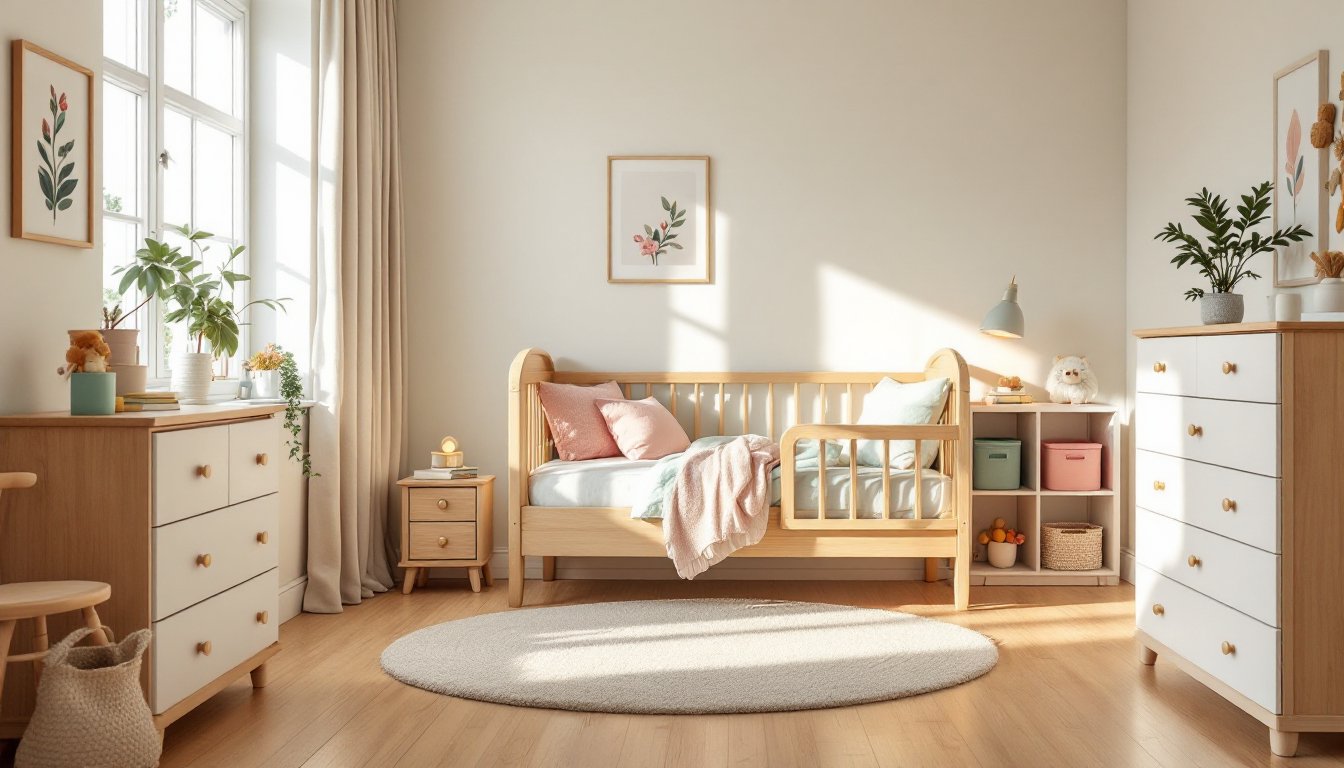
A solid toddler girl bedroom furniture set should include at minimum a bed frame, a dresser, and a nightstand or shelving for storage and nighttime items. The bed frame is the anchor, look for sturdy wood or engineered wood construction, guardrails if it’s a raised toddler bed, and a mattress that fits snugly (no gaps between frame and mattress, a suffocation hazard).
The dresser is your workhorse for clothing storage. A 3- to 4-drawer dresser is typical: opt for anti-tip brackets bolted to the wall (required by most safety standards). Avoid dressers taller than 36 inches without proper anchoring, as they can tip if climbed on. A nightstand or low shelf unit keeps a nightlight, water cup, and a few books within reach, important for bedtime routines and teaching independence.
Bonus pieces worth considering: a toybox or open storage cubbies (toddlers need accessible storage), a bookshelf (built-in or standalone), and a small desk or activity table if space allows. Avoid sets with sharp hardware, exposed nails, or splinters. All wood should be smooth and finished safely.
Measure your room before buying. A full-size bedroom set takes up significantly more floor space than a toddler-sized set, and cramped rooms actually stress young kids out. Verify mattress dimensions (toddler beds are often 28″ x 52″, not standard twin size), and confirm the dresser’s depth so it doesn’t block doors or windows when opened.
Budget-Friendly vs. Premium Options
Budget-conscious options start around $400–$800 for a basic three-piece set (bed, dresser, nightstand) from big-box retailers or budget furniture makers. These use engineered wood (plywood and particleboard), simpler joinery, and often require assembly. They’re functional and safe if you choose reputable brands, but expect less durability if the room sees heavy use or the furniture gets bumped around.
Mid-range sets ($800–$1,500) typically mix solid wood with engineered wood, offer better joinery, and come with more refined finishes and hardware. These sets often last through multiple kids or several years of harder wear. Premium sets ($1,500+) use mostly solid wood, have heirloom-quality construction, and often come fully assembled or with white-glove delivery. They’re an investment, but they hold up and can be refinished if needed.
Your budget should account for assembly time and costs. Some retailers offer assembly services (usually $100–$300 total), which matters if you’re not handy or have limited time. Don’t cheap out on safety features, guardrails, anti-tip brackets, and non-toxic finishes aren’t places to save money. A moderately priced set with solid safety standards beats a rock-bottom option with shortcuts. Many parents find that mid-range sets from established furniture makers offer the best value for a few years of daily use.
Safety and Quality Considerations When Selecting Furniture
Safety isn’t negotiable with children’s furniture. All toddler bedroom sets sold in the U.S. should meet CPSC (Consumer Product Safety Commission) standards, including the crib safety standard ASTM F406 if cribs are included, and ASTM F2050 for non-full-size baby beds. Check the product manual or retailer description to confirm certifications.
Key safety checks: No sharp edges or corners, run your hand along all surfaces: the dresser should have rounded edges or felt bumpers. Hardware must be secure, knobs and handles shouldn’t pull loose, and all fasteners should be included and tight. Wood finish should be non-toxic, ask if the set uses low-VOC (volatile organic compound) stains and paints, especially important in a child’s enclosed bedroom. Stability is essential, dressers must be wall-anchored with included anti-tip brackets: beds should have rock-solid joinery with no wobble.
When evaluating a specific set, read online reviews carefully, filtering for mentions of durability, assembly quality, and any recalls. Check the CPSC recall database for the brand and model. Look for customer photos and videos, they reveal real-world wear better than marketing images. Solid wood or plywood construction tends to hold up better than particle board, which can sag or swell if exposed to humidity. If the room is prone to moisture (bathroom-adjacent, high humidity), look for finishes that resist warping.
Design Tips for Maximizing Space and Style
A small bedroom doesn’t need to feel cramped if you choose the right set and arrange it thoughtfully. Vertical storage is your friend, a tall, narrow dresser takes less floor space than a wide, squat one. Wall-mounted shelves above the bed or beside the dresser add storage without eating square footage. Opt for a low-profile bed frame to make the room feel airier: lofted or bunk beds are overkill for toddlers and create safety hazards.
Choose a neutral wood finish and layer color through bedding, wall paint, and accessories. Soft pastels, whites, and natural wood tones make small rooms feel bigger and let you refresh the look over time without replacing furniture. A light wall color (soft white, pale gray, or cream) opens up the space further. Avoid overly themed sets unless the room is generously sized, a “butterfly” themed full bedroom set in a 10×10 room feels overwhelming.
Placement matters: position the bed perpendicular to the longest wall to break up sightlines and create pockets of usable floor space. A small rug defines the play area and softens the room acoustically (useful for quiet time). Avoid blocking windows with furniture, as natural light makes even tiny rooms feel bigger.
For additional inspiration on layout and styling, sites like Homedit and Young House Love showcase real room makeovers and budgeting strategies. If you’re drawn to creative hacks and modifications, IKEA Hackers demonstrates how to customize affordable furniture to fit your exact needs and aesthetic. These resources help you think beyond the furniture set itself and build a cohesive, functional room.