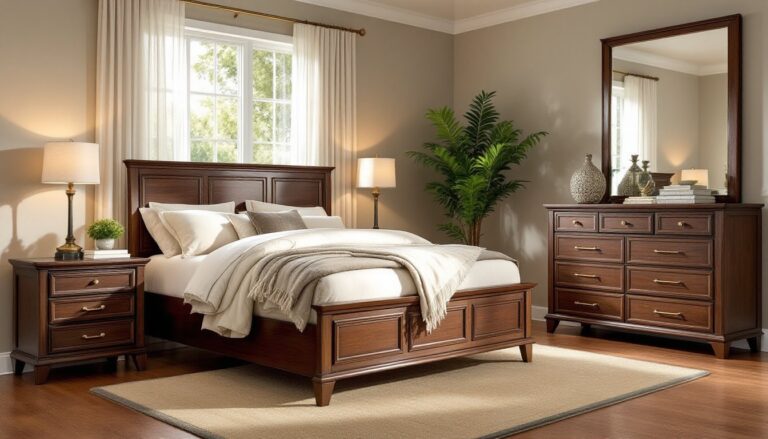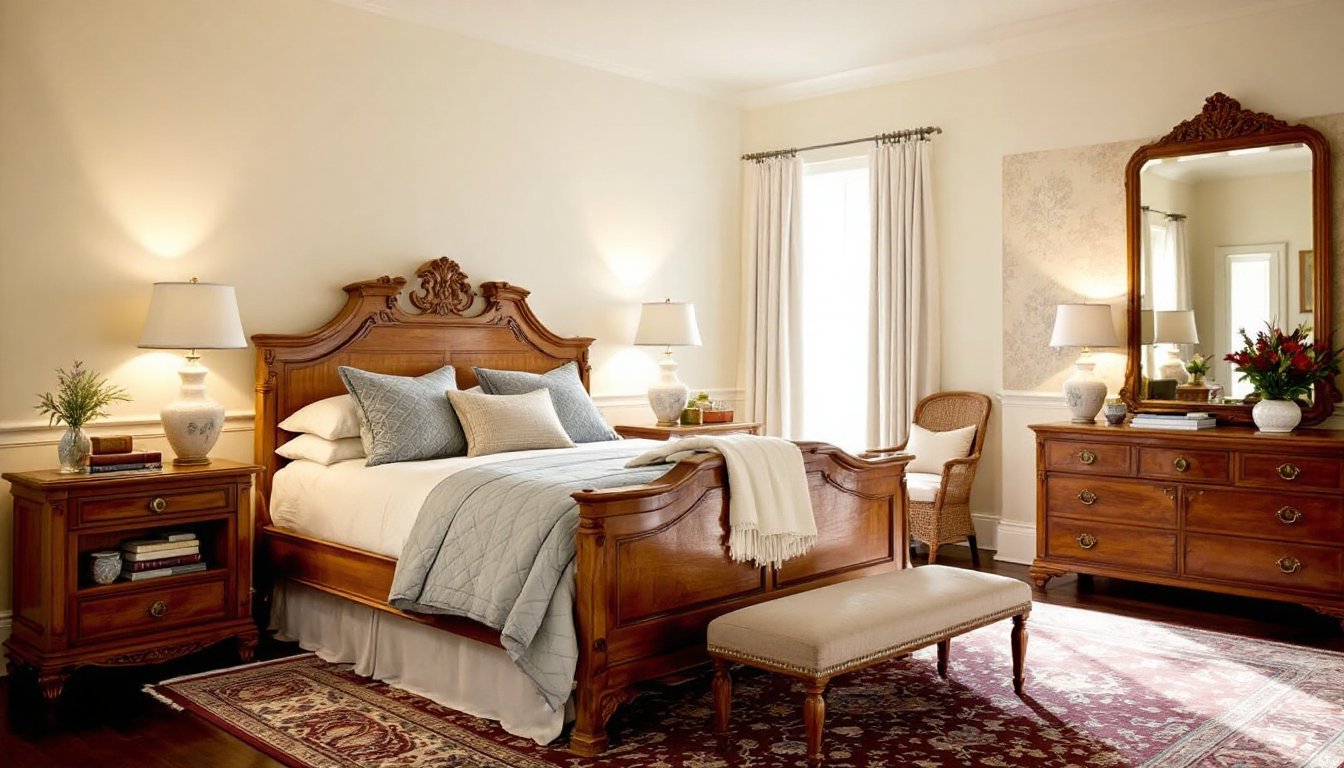
Traditional bedroom furniture remains a cornerstone of home design, offering durability, elegance, and a sense of permanence that modern minimalism often struggles to deliver. Whether you’re renovating a master suite or updating a guest room, understanding the fundamentals of traditional furniture helps you make smart purchasing decisions and create a cohesive sleeping space. This guide walks you through what defines traditional design, which pieces anchor a timeless bedroom, and how to balance classic elements with contemporary comfort for a room that works as hard as it looks.
Table of Contents
ToggleKey Takeaways
- Traditional bedroom furniture is defined by solid wood construction, symmetry, and classic lines designed for longevity and refinishing rather than replacement.
- Quality traditional bedroom furniture relies on hardwoods like cherry and oak with proper joinery techniques (mortise-and-tenon, dovetail drawers) that ensure durability and repairability.
- A cohesive traditional bedroom anchors around four core pieces: a distinctive bed frame, proportional nightstands (24–28 inches tall), a dresser with adequate storage, and optional secondary seating.
- Neutral wall colors (soft whites, creams, pale grays) paired with substantial textiles, traditional-pattern area rugs, and coordinated hardware create visual balance without overwhelming the sleeping space.
- Modern comfort features like memory-foam mattresses, blackout shades, smart lighting, and climate control can be seamlessly integrated into traditional bedroom furniture without compromising the timeless aesthetic.
What Defines Traditional Bedroom Furniture
Traditional bedroom furniture leans on symmetry, solid wood construction, and classic lines that transcend trends. You’ll see rolled edges, turned legs, and hand-carved details on pieces that prioritize functionality alongside beauty. The aesthetic draws from periods like Colonial, Victorian, and Early American design, though modern manufacturers blend those influences into accessible, well-made pieces.
What sets traditional furniture apart isn’t necessarily age, it’s intentional craftsmanship. These pieces aim for longevity: they’re built to be repaired, refinished, and passed down rather than replaced every few years.
Wood Quality And Construction Methods
Solid hardwoods like cherry, oak, and walnut form the backbone of quality traditional furniture. Unlike veneer-only construction, solid wood allows for refinishing, repairs, and the natural patina that comes with age. When shopping, check the product specification, look for terms like “hardwood frame” or “solid oak construction” rather than “engineered wood” or “composite materials.”
Joinery matters enormously. Mortise-and-tenon joints, dowel construction, and dovetail drawers indicate that a piece is built to last. You can inspect a dresser or nightstand by opening drawers: solid wood interiors and quality slides (not plastic tracks) signal durability. Wood that’s been kiln-dried resists warping and cracking better than air-dried stock, though both can appear in quality pieces.
Finishes should be durable, typically a catalyzed lacquer or polyurethane topcoat that resists water rings and minor scratches. Stained finishes showcase the wood grain: painted finishes (often in cream, white, or soft colors) work for cottage-leaning traditional styles. High-gloss finishes read formal and reflective: satin or matte finishes feel warmer and less theatrical.
Essential Traditional Bedroom Pieces
A traditional bedroom typically anchors around four core elements: a bed frame, nightstands, a dresser, and often a secondary seating piece or storage chest. You don’t need every piece to establish the style, but each one you add should follow consistent proportions and wood tones.
Bed frames in traditional style often feature a wood headboard, sometimes with panel detailing, sometimes carved, and a coordinating footboard. Panel designs (think recessed rectangular sections) are classic: ornamental carving suggests more formal aesthetics. A platform bed with a traditional headboard works equally well as one with a boxspring and frame.
Nightstands flank the bed and typically stand 24–28 inches tall (roughly level with the mattress top). Quality traditional nightstands include at least one drawer for bedside essentials and often a lower shelf or cabinet. Proportions matter: a nightstand should be roughly one-third the bed’s width to look balanced.
Dressers and chests provide storage while establishing visual weight in the room. A traditional dresser often features 4–6 drawers, turned legs, and hardware pulls in brass, wood, or ceramic. Chest-on-chest designs stack drawers vertically and work well in rooms with limited floor space.
Secondary pieces like a low bench at the foot of the bed, a vanity, or an armchair round out the setup without cluttering the space. A cottage home furniture approach often layers these conversational elements: a traditional formal bedroom might keep secondary pieces minimal.
Don’t overlook mirror frames, a large mirror with a wood or ornate frame hung above a dresser ties a traditional bedroom together visually and bounces light around the room.
Choosing The Right Bed Frame And Nightstands
Your bed frame sets the tone for the entire room, so spend time getting it right. Traditional styles come in three main approaches: panel frames with flat surfaces and recessed details, carved frames with ornamental embellishments, and simpler shaker-inspired frames with clean lines and minimal detailing.
Measure your bedroom first. A queen bed (60″ × 80″ in mattress size) needs roughly 10′ × 12′ of clear floor space to feel uncluttered: a king (76″ × 80″) prefers 10′ × 13′ or more. Account for nightstands, dressers, and doorswings before ordering.
Consider bed height carefully. Traditional frames typically range from 24–30 inches (mattress surface to floor). Taller frames (27–30″) work well for homeowners with mobility concerns and create a more formal, statement-making presence. Lower frames (24–26″) feel more casual and work in rooms with lower ceilings.
Nightstand selection should mirror your bed’s wood tone and design language. If your headboard features panel detailing, nightstands with similar panels look cohesive. If your bed is carved and ornate, choose nightstands with complementary carving, not a different style entirely. Most manufacturers offer bed frames and matching nightstands as collections, which simplifies the visual coordination.
Nightstand depth (16–18″ is standard) matters for proportion and function. Shallower nightstands (14″) work in tight bedrooms: deeper ones (18–20″) provide more surface for a lamp, book stack, and a small alarm clock. Look for nightstands with sturdy legs, four turned posts or bracket feet hold better than a single pedestal base, which can wobble under a 60-pound lamp pull.
Check that drawer slides open smoothly and close with a soft catching action (called a soft-close mechanism). Quality hardware, solid brass or wood pulls, resists tarnish and feels substantial in your hand.
Color Palettes And Textiles For Traditional Bedrooms
Traditional bedrooms lean on a foundation of neutral wall colors: soft whites, warm creams, pale grays, or muted taupes. These backdrops let your furniture shine and provide flexibility if you want to refresh textiles down the road. Paint in a eggshell or satin finish resists scuffs better than flat finishes: most interior designers use eggshell for bedrooms.
Wallpaper, particularly small-scale florals, damasks, or toile patterns, adds classic texture without overwhelming a sleeping space. If using patterned wallpaper on all four walls, keep it subtle: a tone-on-tone pattern reads quieter than high-contrast designs. Many traditional bedrooms use wallpaper on one accent wall and paint on the others.
Textiles anchor the traditional aesthetic. Bed linens should feel substantial, high thread count (400–600 is reasonable: beyond that, you’re often paying for marketing) matters less than fiber quality. Linen and cotton blends resist wrinkling better than 100% cotton: cotton-polyester blends offer easier care and durability. Duvet covers in solid colors or subtle patterns (small florals, checks, or woven textures) work better than bold graphics.
Throw pillows should vary in size, mix 16″, 18″, and 20″ squares, and stick to a cohesive color story. Two or three dominant colors (say, cream, soft blue, and warm gray) with complementary accent textures (linen, velvet, subtle embroidery) create depth without chaos. Avoid too many patterns competing for attention.
Curtains or drapes in heavy fabrics (linen, velvet, or substantial cotton blends) frame windows authentically and block light for better sleep. Floor-to-ceiling panels feel formal: panels that hang from the window top to the sill work in more casual traditional spaces. A home meridian furniture collection often coordinates textiles with wood finishes, simplifying your sourcing if you want a matched set.
Area rugs should anchor the bed or seating area, typically 8′ × 10′ for a bedroom. Traditional patterns (Persian, Kilim, or geometric traditional designs) in warm, muted tones tie the room together. According to traditional interior design standards, layering textures through rugs, upholstered pieces, and soft furnishings creates the comfortable, inviting feel that defines the style.
Mixing Traditional Furniture With Modern Comfort
Modern homeowners rarely want authentic 18th-century bedroom conditions. You can honor traditional aesthetics while incorporating contemporary comfort: memory-foam mattresses, blackout shades under traditional curtains, and USB charging ports integrated into nightstands.
Mattresses are where tradition and practicality divide sharply. A traditional bed frame looks stunning with a modern hybrid or memory-foam mattress, don’t feel obligated to use a vintage innerspring just for authenticity. Choose a mattress based on your sleep needs, then dress it with traditional linens and a period-appropriate duvet cover.
Lighting deserves attention. Traditional bedrooms benefit from bedside lamps with fabric shades, wall sconces flanking the headboard, or a chandelier at the center. Ensure total lux levels support both ambiance and task lighting (reading, getting dressed). Smart bulbs that dim and warm their color temperature as evening progresses support better sleep while maintaining the traditional aesthetic.
Climate control matters. Add a ceiling fan in a traditional motor housing if your bedroom lacks good airflow, or use a BR Home Furniture approach that blends period style with today’s bedroom expectations. Blackout curtains, a programmable thermostat, and quality bedding make a traditional room genuinely restful.
Storage solutions that don’t disrupt the aesthetic include built-in shelving with traditional molding, decorative trunks that double as seating, and nightstands with deep drawers. Modern under-bed storage containers can hide seasonal clothes while keeping the visual profile clean.
Insulation and soundproofing, while not visible, support the traditional bedroom’s function. Heavier curtains and rugs naturally dampen noise: weatherstripping around doors prevents drafts. These modern conveniences don’t show, but they make your traditionally styled room genuinely livable year-round. Resources like House Beautiful and Elle Decor regularly showcase traditional bedrooms that seamlessly blend timeless design with contemporary comfort, worth exploring for inspiration on balancing both worlds.
Conclusion
Building a traditional bedroom means prioritizing quality wood construction, thoughtful proportions, and a cohesive color story over rapid trends. Start with a strong bed frame and nightstands, anchor the room with appropriate textiles, and layer in secondary pieces that feel intentional rather than cluttered. Modern mattresses, lighting, and climate control enhance rather than contradict the traditional aesthetic. The result is a bedroom that feels both timeless and genuinely comfortable, a space where you’ll sleep well and won’t tire of the design anytime soon.