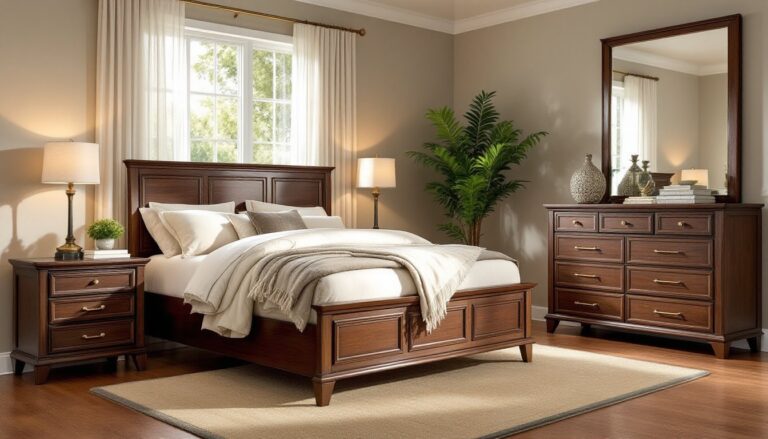
Bedroom furniture clearance events are goldmines for homeowners who know when and where to look. Whether you’re furnishing a guest room, upgrading a master suite, or refreshing a kid’s bedroom, clearance deals can cut your furniture costs by 30–70% without sacrificing quality. The trick isn’t just finding a sale, it’s understanding why items are marked down, spotting genuine discounts versus inflated original prices, and knowing what red flags to watch for. This guide walks you through the entire process of hunting, evaluating, and purchasing clearance bedroom furniture like a seasoned shopper.
Table of Contents
ToggleKey Takeaways
- Clearance bedroom furniture sales offer savings of 30–70% because inventory needs to move due to seasonal transitions, model-year changes, or overstocking—not because items are defective.
- Inspect the frame joinery, drawer glides, and hardware quality in person when possible, as poor construction signals corner-cutting that will worsen over time.
- Bundle bedroom furniture pieces (bed frame, dresser, nightstands) into a complete set for deeper discounts, sometimes adding an extra 10–15% savings on top of clearance prices.
- Online shopping lets you compare prices and read reviews, but always calculate the total landed cost including shipping and tax, as freight charges can exceed the discount savings.
- Time your clearance bedroom furniture purchases around seasonal inventory cycles: February–March, June–July, September–October, and November–December for the deepest markdowns.
- Verify return policies and warranties before buying clearance items, as return windows are often limited to 30 days and warranties may be voided, leaving you without recourse after purchase.
Understanding Bedroom Furniture Clearance Events
Clearance furniture isn’t defective, it’s usually inventory that needs to move. Retailers mark down bedroom sets, dressers, nightstands, and bed frames for several legitimate reasons. Seasonal transitions are the biggest driver: winter furniture clears in spring, summer styles make room for fall collections. Model-year changeovers, overstocking from slower-than-expected sales, and floor samples also end up in clearance bins.
When a store needs space for new arrivals or a vendor demands their floor display back, that’s your chance to grab quality pieces at steep discounts. Closeouts happen when manufacturers discontinue product lines, the final inventory has nowhere else to go. None of these reasons means the furniture is inferior: it just means margins matter more to retailers than holding stock.
Understanding the why behind clearance helps you distinguish real deals from traps. If a dresser is marked down 50% because the store is making room for a new line, that’s a genuine opportunity. If the price drop comes from minor cosmetic damage (a small gouge, a chipped veneer corner), you’re looking at a legitimate bargain, as long as you can live with that imperfection. Mass-produced bedroom sets with weak joinery get clearance prices for a reason: they’re built to a lower standard. That’s different from a well-made piece simply needing to leave the showroom.
Where to Find the Best Clearance Bedroom Furniture
Online Retailers and Flash Sales
Major online furniture retailers run flash sales and seasonal clearance events year-round. Facebook Marketplace, Wayfair, Overstock, and Amazon often rotate clearance sections: setting up price alerts means deals come to you. Email newsletters from furniture sellers announce doorbusters before the general public sees them. Facebook and Instagram ads frequently push clearance stock to people in your area at the right time, though you’ll need to verify quality before committing to an online purchase, especially for used or customer-return items.
The advantage of online shopping is comparison speed and access to user reviews. You can cross-reference pricing across platforms, check return policies, and read detailed feedback from buyers who own the piece. The disadvantage is shipping: a queen bed frame may cost $120 after a 60% discount, then rack up $150–$300 in freight charges depending on your location. Always calculate landed cost (including tax and delivery) before celebrating a low sticker price.
Local Furniture Stores and Warehouse Sales
Independent furniture retailers and chain stores (like Ashley Furniture HomeStore, Rooms to Go, or local upholstery shops) host warehouse sales, clearance events, and going-out-of-business sales. These are goldmines because you can inspect pieces in person, test mattress firmness, pull drawers open, and check joinery quality firsthand. You also avoid shipping costs on heavy items, furniture is heavy, and local delivery is far cheaper than shipping across the country.
Scouting local stores on a rotating basis pays off. Stop by your nearest furniture shops every 4–6 weeks: ask staff about upcoming sales or clearance events. Many stores angle seasonal sales around holidays (Presidents’ Day, Memorial Day, Black Friday), though summer and late-winter transitions often trigger deeper markdowns because retailers need showroom space. Online platforms like Houzz can help you find local designers and contractors who may have insider knowledge of upcoming sales or warehouse events in your area.
What to Look For When Buying Clearance Bedroom Furniture
First, inspect the frame. On beds and dressers, check joints where wood pieces meet, solid wood tenon-and-mortise joinery or dowel construction is superior to staples and glue alone. Run your hands along the inside of drawers and the underside of the frame: cheap construction feels flimsy. If you lift one corner of a dresser or nightstand, the rest shouldn’t wobble or flex. Poor joinery is a deal-breaker because it only gets worse.
Examine the finish. For painted pieces, look for drips, inconsistencies, or bare spots where primer shows through. On stained wood, feel for rough patches or uneven color, signs of rushed finishing. A small cosmetic flaw (a minor chip or dent) is acceptable if the price reflects it: deep gouges in exposed areas or water damage aren’t. Open every drawer and door: listen for smooth operation and check that hinges close evenly.
On upholstered beds and headboards, feel the fabric or leather for pulls, tears, or stains. Upholstery is expensive to replace, so a damaged headboard could cost another $200–$500 to reupholster. Check mattress firmness if one’s included, a mattress is personal, and you can’t easily swap it out. Ask if cushioning is down, foam, or a blend: down needs fluffing but lasts decades, while low-quality foam compresses quickly.
Look at hardware (knobs, pulls, hinges, locks). Chipped or broken hardware is cheap to replace but signals overall corner-cutting. If a dresser drawer glides smoothly and quietly, the manufacturer invested in decent slides: if it sticks or grinds, expect more issues elsewhere. Bring a level if you’re buying locally: a tilted dresser or nightstand isn’t just annoying, it can trap drawers or cause doors to swing open. Resources like Homedit offer detailed furniture buying guides with checklists for evaluating quality pieces before you commit.
Smart Shopping Tips for Maximum Savings
Bundle pieces when possible. Many clearance furniture sales offer deeper discounts when you buy a full bedroom set (bed frame, dresser, nightstands, headboard) rather than individual items. Ask the salesperson if they can knock off an extra percentage for a complete package: they often can, especially on items that have been sitting on the floor. A 50% clearance discount plus an extra 10% bundle deal adds up fast.
Negotiate on floor samples and display pieces. These items show normal wear from customers sitting on them, opening drawers, and testing stability. Store managers often price them below regular clearance to move them quickly. If you can overlook minor scuffs or light staining, you’ll save another 15–30%. Always ask, “What’s your best price on this floor model?” You might be surprised.
Time your shopping around inventory cycles. Furniture stores typically hold clearance events in February–March (end of winter), June–July (end of spring), September–October (end of summer), and November–December (seasonal overstock). Back-to-school season (August) can also trigger youth bedroom sales. If you’re flexible on timing, shop during these windows rather than hoping for deals year-round.
Read return and warranty policies before buying. Clearance furniture often comes with limited or no return windows (30 days instead of 60 or 90). Warranties may be shorter or voided entirely. Know what you’re signing up for: once you leave the store with a clearance bed frame, you may not be able to return it if the headboard develops a crack a month later. Ask directly: “What’s the return period and warranty on clearance items?” Get it in writing or take a photo of the policy sign.
Use Young House Love and similar renovation blogs for inspiration on refreshing clearance finds. Older furniture pieces or those with minor finish issues can be sanded, restained, or repainted to match your décor. A solid wood dresser with a dated finish is a perfect candidate for a DIY refresh, much cheaper than replacement and often better quality than new low-end alternatives.
Conclusion
Bedroom furniture clearance shopping requires patience and a critical eye, but the rewards are substantial. Focus on structural quality, real cosmetic flaws you can live with, and timing your purchases around seasonal markdowns. Bundle deals, negotiate floor samples, and avoid pieces with damaged joinery or upholstery that can’t be easily repaired. With these strategies, you’ll furnish a bedroom with solid, attractive pieces at a fraction of retail prices.