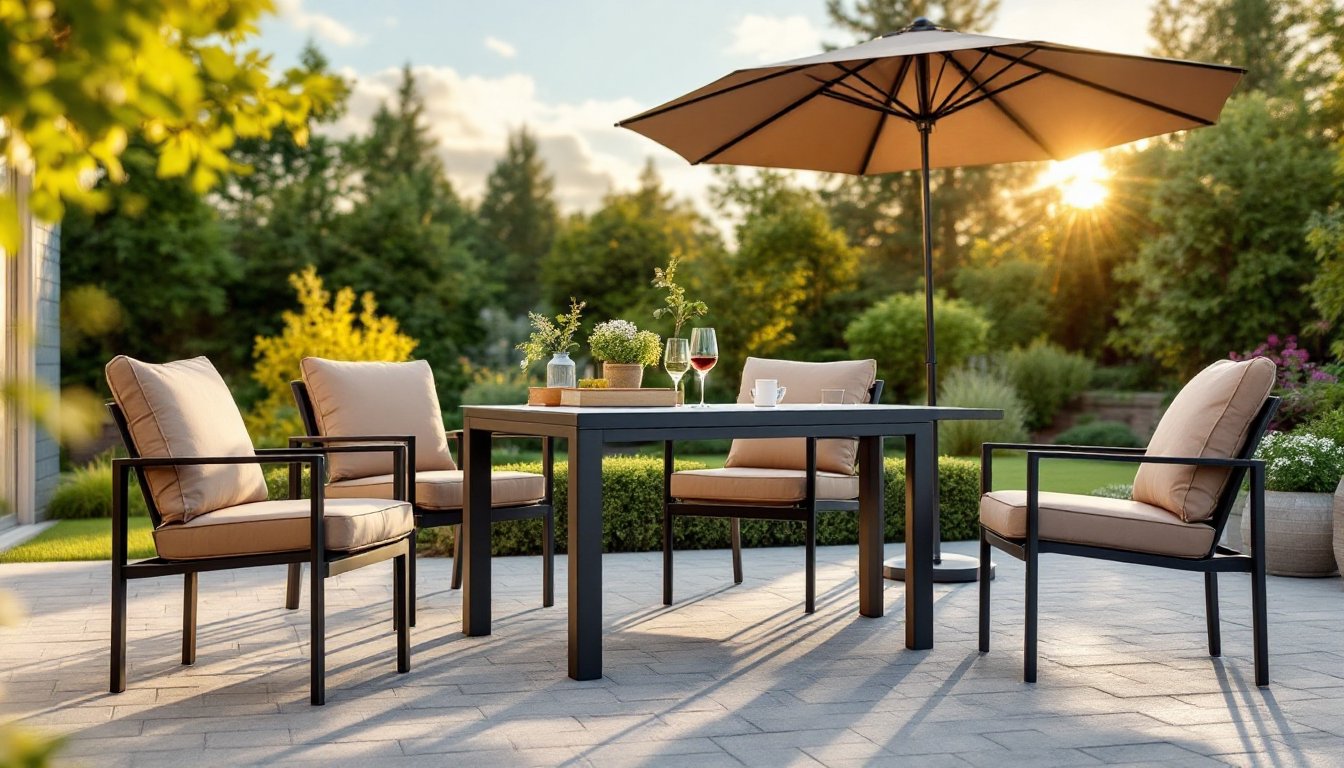
Metal patio furniture has become a go-to choice for homeowners who want outdoor pieces that’ll actually last. Unlike wood or wicker, which demand constant maintenance and eventual replacement, metal patio furniture offers a straightforward trade-off: minimal upkeep for maximum durability. Whether you’re building a backyard retreat or replacing worn-out seating, understanding the ins and outs of metal options, from aluminum to steel, will help you make smart choices that fit your climate, style, and budget.
Table of Contents
ToggleKey Takeaways
- Metal patio furniture offers superior durability with minimal maintenance compared to wood or wicker, requiring only occasional cleaning and lasting through dozens of seasons.
- Aluminum is lightweight, rust-resistant, and budget-friendly for modern designs, while steel provides greater strength and ornamental detailing but requires more protection against rust in humid climates.
- Powder-coated finishes on metal furniture create a durable barrier against corrosion, but regular inspections and touch-up paint are essential for steel pieces to prevent rust from spreading.
- Annual cleaning with mild soap and water, plus strategic use of cushion storage and protective covers, keeps metal patio furniture in top condition without requiring harsh chemicals.
- Metal patio furniture pricing ranges widely ($150–$1000+), with aluminum sets costing 20–40% less than steel equivalents, making mid-range commercial-grade options the best value for long-term durability.
Why Metal Patio Furniture Stands Out
Metal patio furniture delivers what other materials struggle to promise: longevity without constant fussing. A well-chosen metal piece can sit through a dozen seasons with nothing more than an occasional wipe-down.
The real appeal lies in durability. Unlike wood that splits, rots, and splinters, or wicker that unravels in UV exposure, metal holds its structural integrity. Most metal furniture can handle dramatic temperature swings, from scorching summer heat to freezing winter nights, without warping or cracking. That resilience translates to better value over time. You’re not replacing pieces every three to five years.
Metal also plays well with modern and transitional design schemes. The clean lines and varied finishes (matte, powder-coated, brushed) fit equally into minimalist backyards or eclectic outdoor rooms. And if aesthetics shift, metal pieces typically age gracefully rather than looking outdated.
Safety is another quiet win. Metal doesn’t splinter, so there’s no risk of slivers or rough edges creating hazards for kids or guests. The weight of most metal frames provides stability, especially important for dining chairs and loungers where tipping could cause injury.
Popular Metal Types for Outdoor Use
Aluminum: Lightweight and Rust-Resistant
Aluminum dominates the patio furniture market because it’s genuinely well-suited to outdoor conditions. It won’t rust, that’s the knockout feature. Aluminum is naturally protected by an oxide layer that forms on its surface, blocking moisture from triggering corrosion. Even if you scratch it or leave it uncovered during a rainy season, it won’t deteriorate like steel.
The material is also lightweight, making aluminum furniture easy to reposition, clean, or store. A typical aluminum chair might weigh 4–6 pounds, compared to 15–20 pounds for equivalent steel pieces. That matters when you’re rearranging furniture alone or loading pieces into a shed for winter.
Aluminum does have trade-offs. It’s softer than steel, so high-impact damage can dent frames. The lightweight feel can sometimes feel less substantial than heavier metals, though this is purely psychological, the structural integrity is solid. Aluminum also conducts heat, so in full sun, metal frames can get uncomfortably warm to touch (though seats with cushions negate this issue).
Steel: Durability and Strength
Steel is the heavyweight champion of patio metals. It’s stronger than aluminum, resists denting, and feels more substantial underfoot. High-quality outdoor steel furniture (like wrought iron or powder-coated steel) can last 20+ years with basic care.
The catch? Steel rusts. Unprotected steel oxidizes quickly in moisture-rich environments. But, most modern outdoor steel furniture is powder-coated, a process where a colored resin is electrostatically applied and baked on, creating a durable barrier against rust. Done properly, this finish lasts years before needing touch-ups.
Steel is heavier, typically 20–40 pounds per piece depending on design, which makes it a commitment if you move furniture frequently. But that weight also means excellent stability for larger dining sets or loungers. Steel takes decorative details beautifully, scrollwork, lattice designs, and curved elements are common in steel frames that might be impractical in aluminum.
For coastal environments or areas with heavy rainfall, powder-coated steel requires more attention than aluminum. Chips in the coating can expose bare metal to moisture, starting the rust cycle. Regular inspections and touch-up paint are part of the maintenance.
Choosing the Right Style and Design
Metal furniture styles range from sleek contemporary to ornate classical. The frame material influences what’s possible.
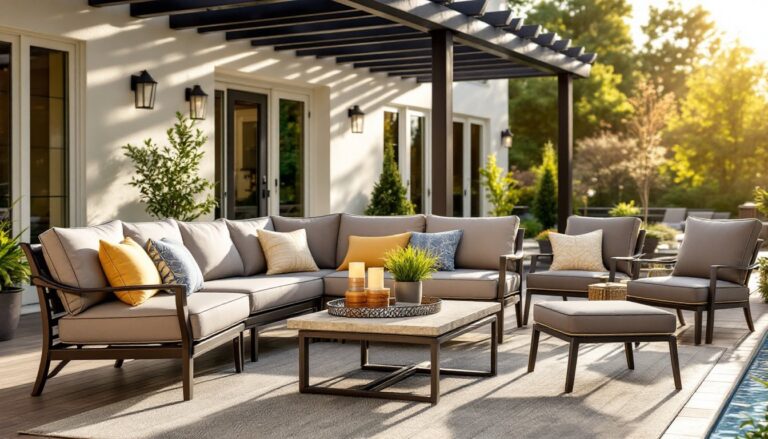
Aluminum works best for minimalist, modern aesthetics. Its lightweight nature suits thin frames, clean angles, and contemporary finishes like matte black or powder-coated white. You’ll find lots of aluminum in modular sectional seating, which lends itself to shifting your patio layout. The trade-off: intricate detailing looks better in steel.
Steel shines when you want character. Wrought iron, a form of steel, allows for decorative scrollwork, curved armrests, and ornamental legs. If your outdoor space leans traditional, Mediterranean, or farmhouse, steel furniture often feels more authentic. But, check that outdoor steel pieces are properly finished: indoor wrought iron furniture will rust quickly outside.
Consider your climate and color choices together. Darker finishes show dust and pollen more readily, requiring more frequent cleaning. Light grays, whites, and natural aluminum finishes hide dirt better, though they may show oxidation over time (purely cosmetic: it doesn’t affect durability). In humid or coastal regions, matte finishes (both aluminum and steel) tend to hide water spots better than glossy coatings.
One practical note: test cushion compatibility before buying. Metal frames can be narrow or wide-set, affecting how standard cushions fit. Measure frame widths and depths, and verify that seat depths match typical outdoor cushion sizes (16–18 inches is common). Some custom cushion work may be required for unusual pieces.
Maintenance Tips to Extend Your Furniture’s Lifespan
Metal furniture’s low-maintenance reputation is deserved, but “low” doesn’t mean “zero.” A few simple habits keep pieces looking sharp and prevent premature wear.
Start with annual cleaning. Mild soap, warm water, and a soft-bristle brush remove dirt, pollen, and salt spray. For stubborn grime, a slightly abrasive sponge works without scratching most finishes. Rinse thoroughly and let dry. This routine prevents buildup that traps moisture.
For steel furniture with powder-coated finishes, inspect annually for chips or scratches. Touch-ups matter. If bare metal is exposed, apply a matching touch-up paint (check the manufacturer for recommendations or test a spot first). Catching rust early prevents it from spreading under the finish.
Aluminum rarely needs rust treatment, but you can apply a clear automotive wax to matte finishes to reduce oxidation streaks and enhance water beading. Reapply annually if you’re in a humid climate.
Cushions deserve attention too. Remove and store them if you won’t use furniture for several months. UV exposure breaks down fabric fibers and fades color. UV-resistant outdoor fabrics hold up better than indoor upholstery, but even quality outdoor textiles benefit from seasonal storage in harsh climates.
If you live in a coastal area or get heavy winter snow, consider a fitted furniture cover. A quality cover (breathable fabric, not plastic, which traps moisture) reduces salt spray exposure and protects from UV and precipitation. Ensure covers are secured so wind doesn’t tear them.
Finally, don’t use harsh chemicals or abrasive scouring pads on metal frames. Bleach and commercial rust removers can damage finishes or react unpredictably with powder coatings. Stick with mild soap and water as your default.
Budget Considerations and Where to Shop
Metal patio furniture pricing spans a wide range, from big-box budget pieces ($150–$400 per seat) to designer-level sets ($1000+). Understanding what drives cost helps you spend wisely.
Aluminum typically costs less than equivalent steel because it’s faster to manufacture and requires fewer finishing steps. Expect to pay 20–40% less for an aluminum dining set than a comparable steel alternative. Budget aluminum chairs run $100–$250: mid-range steel pieces, $250–$500+.
Finishes add cost. Powder coating is more expensive than bare aluminum or simple paint, but it’s worth the investment, it lasts longer and looks more refined. Wrought iron details and custom finishes drive prices higher still.
Where you buy matters. Big-box retailers (Walmart, Target, Home Depot) stock basic aluminum sets, usually at lower price points. Specialty outdoor furniture stores carry better design variety and higher-quality finishes. Online retailers often undercut retail stores but require careful quality assessment from reviews and photos. Outlet stores and end-of-season sales (late August through September) offer solid discounts.
Before purchasing, read reviews specifically about durability and rust resistance. Generic positive reviews don’t mean much: look for long-term ownership reports. A $300 set that needs replacement in three years costs more than a $600 set lasting a decade. Consider regional climate reports in reviews, a chair praised in Arizona might get hammered by corrosion in coastal Florida.
Designer patio furniture sometimes offers better materials and finishes, but you’re often paying for the brand. Mid-range commercial-grade furniture (usually sold through landscape suppliers or restaurant supply shops) often represents the best durability-to-cost ratio, though selection is limited and aesthetic choices lean utilitarian.
Online interior design resources and garden design ideas can help inspire layouts and styles before you commit to purchasing. Similarly, Southern Living and similar lifestyle sites offer regional inspiration for outdoor living spaces. For maintenance strategies and durability insights, how to make your patio furniture last covers materials and care approaches that apply directly to metal pieces.
Also consider complementary elements like metal railings for decks if you’re planning a full outdoor overhaul, cohesive metal finishes between furniture and structural elements create a polished, intentional look.