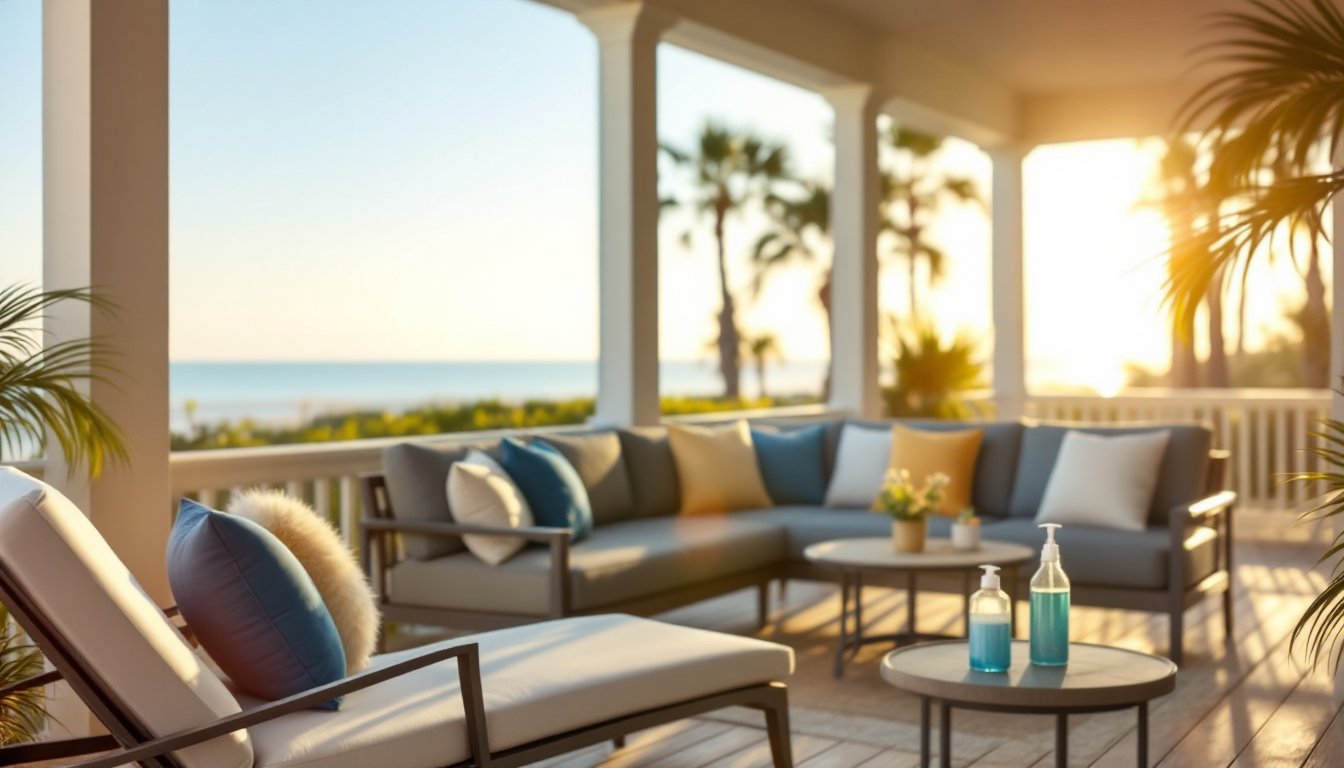
Living near Myrtle Beach means dealing with salt spray, humidity, UV exposure, and intense seasonal weather that can wreck ordinary patio furniture in a single season. If you’re shopping for Myrtle Beach patio furniture, you’re not just picking out a seating set, you’re investing in pieces that need to stand up to one of the most demanding coastal climates on the East Coast. This guide walks you through material choices, design considerations, and maintenance strategies that’ll keep your outdoor space looking and functioning great for years to come.
Table of Contents
ToggleKey Takeaways
- Myrtle Beach patio furniture must resist salt spray, humidity, and intense UV exposure—conditions that destroy standard outdoor furniture within 12–18 months.
- Anodized aluminum frames with solution-dyed acrylic cushions and stainless steel fasteners are the most durable material combination for coastal climates.
- Regular fresh water rinsing, quarterly fastener inspections, and annual wood sealing are essential maintenance practices that extend furniture lifespan by years.
- Quality Myrtle Beach patio furniture starts at $600–$900 for a functional set; smart material choices matter more than premium brand names when durability is the goal.
- Synthetic wicker and metal-frame designs with washable cushion covers offer both aesthetic appeal and practical protection against salt-air damage.
- Storing cushions indoors during off-season and prioritizing covered patio placement significantly reduce moisture absorption and corrosion risk.
Why Myrtle Beach Demands Special Patio Furniture Considerations
Myrtle Beach’s coastal environment is beautiful, and brutal on outdoor furniture. The combination of salt water spray, high humidity, and intense sun creates a triple threat that accelerates material degradation.
Salt air corrodes uncoated metals, promotes rust on iron, and degrades powder-coat finishes faster than in inland climates. Humidity stays above 70% for much of the year, encouraging mold and mildew growth on fabric and wood surfaces. UV radiation here is intense, fading and weakening synthetic fabrics and breaking down wood fibers, especially on south- and west-facing patios where afternoon sun is relentless.
Standard “all-weather” furniture marketed nationally often fails within 12–18 months in Myrtle Beach conditions because it wasn’t engineered for sustained salt exposure. That’s why selecting furniture built specifically for coastal environments, or at least materials known to resist these conditions, makes the difference between a two-year replacement cycle and a decade-plus lifespan.
Top Materials for Myrtle Beach Coastal Climates
Weather-Resistant Fabrics and Cushions
Polyester and solution-dyed acrylic fabrics are the go-to choices for Myrtle Beach cushions. Solution-dyed acrylics (often labeled Sunbrella or equivalent marine-grade fabrics) are colorfast because the dye penetrates the fiber rather than sitting on the surface. These fabrics resist mildew naturally and dry quickly after salt spray or rain, critical when humidity lingers.
Polyester blends designed for outdoor use offer similar benefits at a lower price point, though they may fade slightly faster in direct sun. Look for fabrics with a mildew-resistance rating and avoid natural fibers like cotton or linen, which absorb moisture and promote mold growth in humid climates.
Cushion cores should be quick-drain foam or closed-cell foam, not open-cell varieties that absorb and hold moisture. Some homeowners choose cushion-free seating in high-moisture zones and reserve cushions for covered porches or areas with afternoon shade.
Aluminum frames dominate coastal furniture for good reason. Anodized or powder-coated aluminum resists rust entirely and handles salt spray far better than painted steel. Weight is light enough to move pieces for cleaning underneath, important given that salt accumulates on patios. The trade-off is that aluminum dents more easily than steel, so handle with care during setup.
Stainless steel hardware (bolts, fasteners, hinges) is non-negotiable. Regular steel fasteners corrode within months and seize, making furniture impossible to fold or adjust. Stainless costs 2–3x more but lasts the life of the furniture.
Teak and naturally rot-resistant woods like ipê or cumaru can work in Myrtle Beach if maintained properly. These hardwoods contain natural oils that resist salt and moisture better than softwoods like pine. But, they still require annual oiling or sealing to prevent graying and splitting. Maintenance commitment is higher than with metal frames, so be honest about whether you’ll keep up with it.
Choosing the Right Style for Your Beach Home
Myrtle Beach patio furniture doesn’t have to look utilitarian. Coastal design has evolved well beyond basic plastic loungers.
Wicker and rattan (both synthetic now, for coastal use) offer that classic beach aesthetic. Modern all-weather wicker is injection-molded resin or polyethylene, not woven plant fiber, so it resists moisture and salt. Real wicker swells and splinters in humid salt air: synthetic versions maintain their look and function indefinitely. Southern home design often features wicker seating on porches and decks, and the style works beautifully in Myrtle Beach if you choose marine-grade construction.
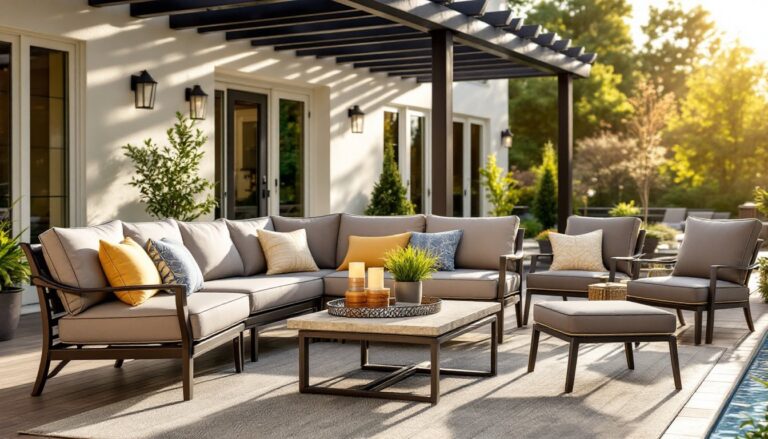
Metal frame designs with upholstered seating give you flexibility. Aluminum or stainless steel frames paired with solution-dyed cushions deliver a modern look that’s also practical. Slatted backs and open sides let air flow underneath, reducing moisture traps.
Chaise lounges and sectionals work well if they’re designed for outdoor use. Ensure all joints are welded or bolted with stainless fasteners, not glued. Sectionals with removable, washable cushion covers speed up salt-spray cleanup.
Stay practical about coverage and storage. Pieces that fit under a covered porch or under an awning last longer because they’re shielded from direct rain and salt spray. If you’re buying for an open patio with no overhead protection, prioritize closed designs and durable finishes over elaborate cushioned pieces.
Maintenance and Protection Tips for Longevity
New furniture isn’t enough, maintenance makes the real difference in coastal environments.
Rinse with fresh water regularly, especially after storms or salt spray events. A garden hose does the job: spray down frames, cushions, and legs to remove salt deposits. This single step prevents salt from accumulating and triggering corrosion. Do this monthly during humid seasons, at minimum after strong winds or ocean spray.
Clean cushion covers with mild soap and water every 2–3 months, or more frequently if they’re exposed. Hose them dry and lay flat to air-dry completely before using. Mold and mildew start in damp fabric.
Inspect fasteners quarterly. Loosen and tighten bolts and hinges if they’re stainless steel: if you find rust forming anywhere, replace the fastener immediately before corrosion spreads.
Store during off-season if possible. Myrtle Beach’s winter is mild, but covering furniture with breathable tarps (not sealed plastic) during the wettest months reduces exposure. Cushions should be stored indoors or in a covered, dry space year-round.
Apply protective finishes annually to wood pieces. Use marine-grade sealant, not standard deck stain. Wood left unsealed grays and eventually splits from moisture absorption and drying cycles. Products designed for salt-water environments include added UV inhibitors.
Inspect for damage before the season starts. Look for splintering, cracks in frames, separation at joints, or fabric tears. Small repairs now prevent water infiltration that leads to major deterioration.
Budget-Friendly Options Without Sacrificing Quality
You don’t need to spend $3,000 on a patio set to get pieces that last in Myrtle Beach. Smart shopping beats price-tag anxiety.
Aluminum frame sets with basic cushions start around $600–$900 for a functional four-piece conversational set. These work because aluminum + solution-dyed cushions is a proven combination for coastal durability. Skip premium brands and focus on frame construction: welded joints, powder-coated finish, and stainless fasteners matter more than the label.
Modular or mix-and-match pieces let you buy what you actually need instead of forced set bundles. An aluminum-frame lounge chair ($200–$400) pairs with a matching ottoman, then add a side table or sofa as budget allows. You’re buying incrementally, and replacing a single cushion is cheaper than replacing an entire set.
Secondhand quality pieces from coastal liquidators or end-of-season sales often include commercial-grade furniture that’s overbuilt compared to typical retail offerings. Check for frame integrity and hardware condition, skip anything with rust or significant corrosion, and plan to refresh cushions. Garden design and outdoor living spaces often feature estate furnishings mixed with newer pieces.
DIY refresh extends the life of inherited or older sets. Replacing cushions costs $50–$150 per piece and transforms worn furniture. Powder-coating an aluminum frame costs $100–$300 and restores finish quality that salt spray has dulled.
Avoid the cheapest big-box options. Furniture with painted steel frames and non-UV-rated cushion fabrics fails fast in salt air and ends up costing more in the long run because you’re replacing it every 18 months.
Conclusion
Myrtle Beach patio furniture requires thoughtful material selection and consistent maintenance, but the payoff is outdoor living spaces that last. Prioritize anodized aluminum or stainless steel frames, solution-dyed fabrics, and stainless fasteners, then commit to rinsing salt spray and keeping cushions dry. You’ll build a patio setup that handles the coastal climate without constant replacement cycles.