Your patio is an extension of your home, a place to relax, entertain, and spend time outdoors. The furniture you choose makes all the difference, but picking the right patio furniture materials can feel overwhelming with so many options on the market. Each material has distinct trade-offs: some offer gorgeous aesthetics but demand regular maintenance, while others prioritize low-upkeep durability. Understanding the pros and cons of wood, metal, wicker, synthetic options, and fabrics helps you make a choice that fits both your climate and your lifestyle. This guide walks you through the most practical patio furniture materials available today, so you can select pieces that will actually look good and hold up for years.
Table of Contents
ToggleKey Takeaways
- Wood, metal, wicker, and synthetic materials each offer distinct trade-offs between aesthetics, durability, and maintenance, so choosing patio furniture materials requires matching them to your climate and lifestyle.
- Natural wood like teak is stunning but demands regular sealing every 1–2 years, while synthetic alternatives and resin furniture require minimal upkeep but may lack the timeless elegance of solid wood.
- Aluminum is the most practical metal option for coastal and humid climates due to rust resistance, while steel and wrought iron require more careful maintenance and indoor storage during off-seasons.
- All-weather wicker with aluminum or stainless-steel frames provides a beautiful, lower-maintenance alternative to natural rattan, lasting longer in wet or sunny conditions.
- Match your patio furniture materials to your regional climate: hot, dry areas favor wood and resin, humid regions demand rust-resistant metals and rot-resistant woods, and coastal zones require aluminum or stainless steel.
- Mixing material strategies on a single patio—such as combining a teak table with metal chairs and resin side tables—balances aesthetics, durability, and maintenance demands effectively.
Wood: Timeless Beauty With Maintenance Considerations
Wood remains the gold standard for outdoor furniture aesthetics. Natural wood like teak, cedar, and ipe delivers that warm, organic look that feels inviting and pairs well with almost any outdoor design.
The catch? Wood demands respect. Teak is naturally rot-resistant thanks to its oil content, it weathers to a silvery-gray over time if left untreated, or stays warm honey-toned if sealed annually. Cedar and redwood are softer and more affordable but require more frequent sealing (every 1–2 years) to prevent water absorption and rot. Ipe, a Brazilian hardwood, is incredibly dense and durable but splits easily if fasteners aren’t pre-drilled carefully.
Expect to apply sealant, stain, or finish every season or two depending on your climate and sun exposure. If you’re in a humid region or get heavy rain, budget time for maintenance. That said, wood repairs are straightforward, you can sand, refinish, or replace individual pieces. Some homeowners embrace the weathered look as patina rather than decay, which actually requires less work.
Cost runs roughly $400–$1,200 for a four-piece set, depending on wood species and joinery quality.
Metal Options: Aluminum, Steel, and Wrought Iron Compared
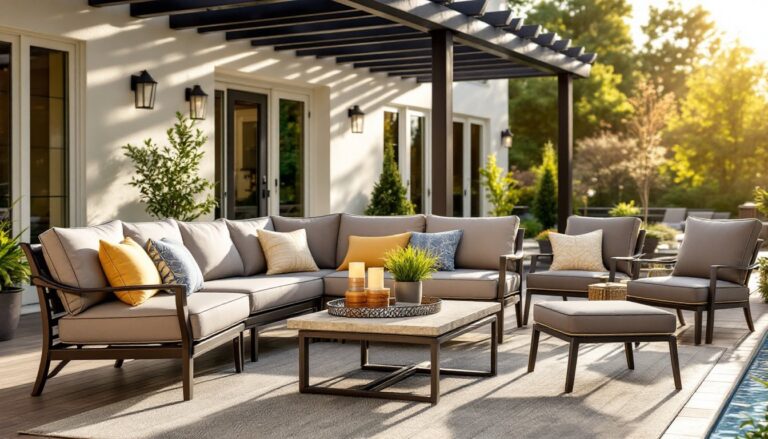
Metal furniture splits into three camps: lightweight aluminum, sturdy steel, and ornate wrought iron.
Aluminum is the practical choice for most outdoor spaces. It doesn’t rust, weighs next to nothing (easy to rearrange), and resists corrosion in coastal or humid climates. The downside? It dents easily and can feel flimsy if poorly constructed. Look for tubing gauge specs, thicker-wall tubing (typically 0.125 inch or heavier) feels more substantial and lasts longer. Aluminum pairs beautifully with cushions for comfort.
Steel offers more heft and a stronger appearance but rusts if the finish, powder-coating or paint, gets scratched or worn. In salty air or high-moisture climates, rust creeps in faster. Maintenance involves touching up scratches promptly and storing indoors during off-season if possible.
Wrought iron is the heavy-duty, decorative option. It’s incredibly durable and looks elegant, but it’s labor-intensive to move, prone to rust without careful upkeep, and expensive. Reserve it for permanent installations or if you love the Victorian aesthetic and commit to annual touch-ups.
Aluminum sets typically cost $300–$900, steel runs $400–$1,000, and wrought iron $800–$2,500+ depending on design complexity. Many quality metal sets are powder-coated to resist weathering, verify this when shopping.
Wicker and Rattan: Creating Coastal and Bohemian Vibes
Wicker and rattan conjure relaxation and style effortlessly. Natural rattan, woven from the vine core, delivers an authentic boho vibe but absorbs moisture readily, making it best suited for covered porches or dry climates. It’s beautiful but high-maintenance in humid regions.
Synthetic or all-weather wicker is the smarter choice for most patios. Made from PVC or resin strands, it mimics natural rattan’s look while resisting UV fading, moisture, and mold. All-weather wicker withstands rain and sun exposure far better than natural rattan. Inspect the frame underneath: solid aluminum or stainless-steel frames outlast hollow or painted frames, which can rust or corrode.
Wicker furniture often pairs with weather-resistant cushions for comfort. The wicker itself is durable, but the frame and cushions are the weak points. Cushions degrade faster (typically 2–3 years) and often need seasonal rotation or storage.
All-weather wicker sets run $500–$1,500, while higher-end designer pieces go higher. It’s a solid middle ground, less maintenance than natural wood, more stylish than basic plastic, and widely available. These pieces work great for anyone wanting that coastal aesthetic with lower upkeep.
Synthetic Materials: Plastic, Resin, and Composite Solutions
Plastic and resin furniture are the no-fuss champions. Resin (polyresin or polycarbonate) is injection-molded into weather-resistant forms that tolerate extreme sun, rain, and temperature swings. It doesn’t rot, rust, or require sealant. Lightweight and stackable, resin is perfect for rental properties, humid climates, or anyone who hates maintenance.
The trade-off? Aesthetics. Resin can feel plastic-y, though designer lines have improved appearance significantly. UV exposure can cause yellowing over time, and impact damage leaves permanent gouges (unlike wood, which you can sand smooth).
Plastic lumber and composite materials (mixtures of wood fiber and recycled plastic) blend durability with a wood-like appearance. Composite decking boards are common: composite outdoor furniture is less common but growing. These materials resist rot and insects, don’t need staining, and handle moisture well. Cost and looks fall between plastic and solid wood.
Simple resin sets cost $150–$500, while higher-quality composite furniture runs $400–$900. They’re ideal for harsh climates (salty, wet, or extreme sun) or low-maintenance preferences. Just accept they’ll age visually, fading and surface weathering are normal and don’t affect function.
Fabric and Upholstery: Comfort and Weather-Resistant Options
Fabric transforms furniture from purely functional to genuinely comfortable. Sunbrella and similar marine-grade outdoor fabrics are specifically engineered to resist fading, moisture, and mildew. They’re water-repellent (not waterproof) and UV-stabilized to prevent color loss. These textiles are pricier than indoor upholstery but worth it for durability in direct sun.
Solution-dyed acrylic and polyester outdoor blends are the next tier down, cheaper, still fade-resistant, but not quite as bulletproof in extreme climates. Check fabric weight and weave density: 8–12 ounces per linear yard is a good baseline for longevity.
Removable cushion covers are your friend. They allow washing (most are machine-washable in cool water) and replacement without replacing the whole piece. Store cushions indoors during off-season or under a waterproof cover. Mold thrives in damp, enclosed cushions left outside year-round.
Don’t cheap out on foam cores inside cushions, low-density foam degrades quickly and clumps within a season or two. Look for 28–32 pound high-density foam if replacing cushions. Furniture upholstered with quality outdoor fabric and good cushion construction can last 4–6 years with proper care, rivaling solid furniture frames for value.
Selecting the Right Material for Your Climate and Lifestyle
Matching material to your specific situation prevents regret and wasted money.
Hot, dry climates (Arizona, Southern California) are friendliest to wood and metal. Sun exposure fades and degrades fabrics faster, so prioritize UV-resistant textiles. Avoid all-weather wicker if it’ll sit in direct, scorching sun for 8+ hours daily, even synthetic wicker can bleach and become brittle. Resin and composite furniture excel here because they’re bulletproof to UV and heat.
Humid, wet climates (Southeast, Pacific Northwest) demand rust-resistant metals (aluminum preferred over steel), rot-resistant woods (teak or cedar with frequent sealing), or synthetic options (resin, composite, all-weather wicker with aluminum frames). Natural rattan and low-quality fabrics encourage mold. Don’t skip awnings or covers to manage moisture.
Coastal areas add salt-spray corrosion to humidity challenges. Aluminum and stainless steel are non-negotiable for metal furniture. Teak tolerates salt well. All-weather wicker on aluminum frames works fine. Avoid uncoated steel or wrought iron, corrosion accelerates dramatically. Regularly rinse furniture with fresh water if you’re near salt water.
Lifestyle fit matters equally. If you’re handy and enjoy seasonal maintenance, solid wood or traditional wrought iron offer deep satisfaction. If weekends are precious and you prefer zero-upkeep, resin or composite materials let you enjoy your patio instead of maintaining it. Families with kids benefit from durable, forgiving materials (composite, all-weather wicker, metal) that won’t show every scuff. Budget-conscious shoppers might start with affordable plastic or composite, knowing they’ll replace pieces every 5–7 years. High-end buyers seeking timeless elegance invest in quality teak or wrought iron, committing to decades of care.
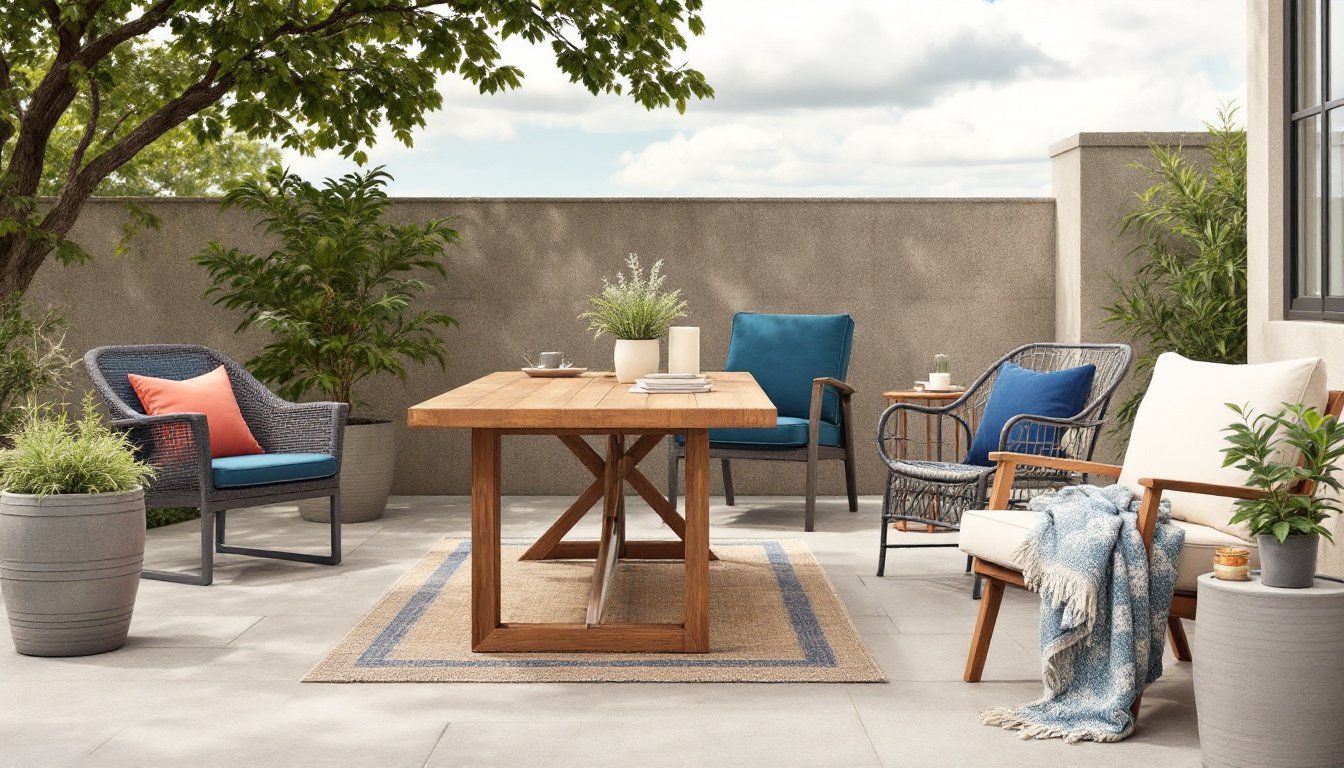
Designers often recommend mixing material strategies on a single patio, a teak table with metal chairs and resin side tables, to balance aesthetics, durability, and maintenance.
Conclusion
There’s no single “best” patio furniture material, only the best fit for your space, climate, and habits. Wood breathes elegance but demands maintenance. Metal delivers durability and style in varied weights and finishes. Wicker and rattan offer cozy charm, especially in synthetic forms. Plastics and resin embrace simplicity and weather-resistance. Fabric crowns any frame with comfort and color.
Start by honestly assessing your climate challenges and how much time you’ll realistically spend on upkeep. Then prioritize which qualities matter most: looks, durability, comfort, or minimal fuss. A thoughtful choice today saves frustration and money down the road, leaving you free to actually enjoy your patio.