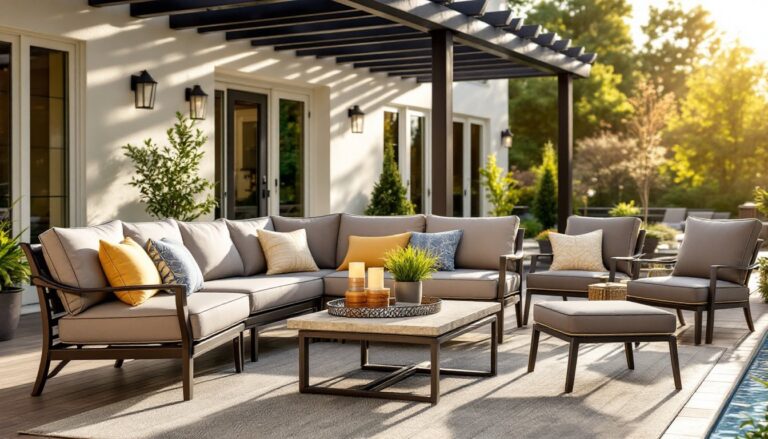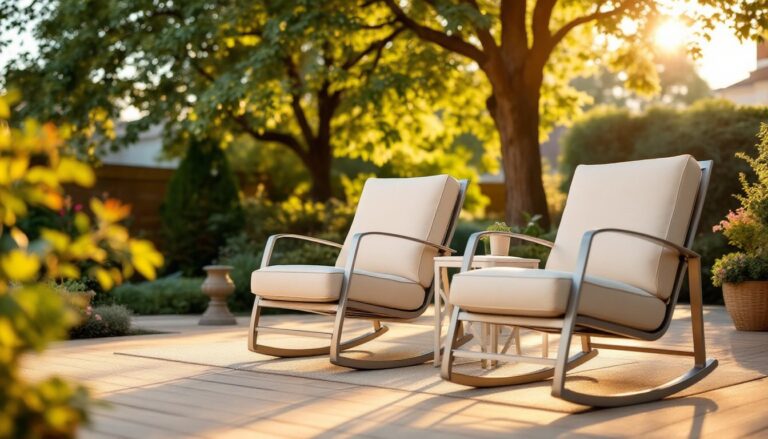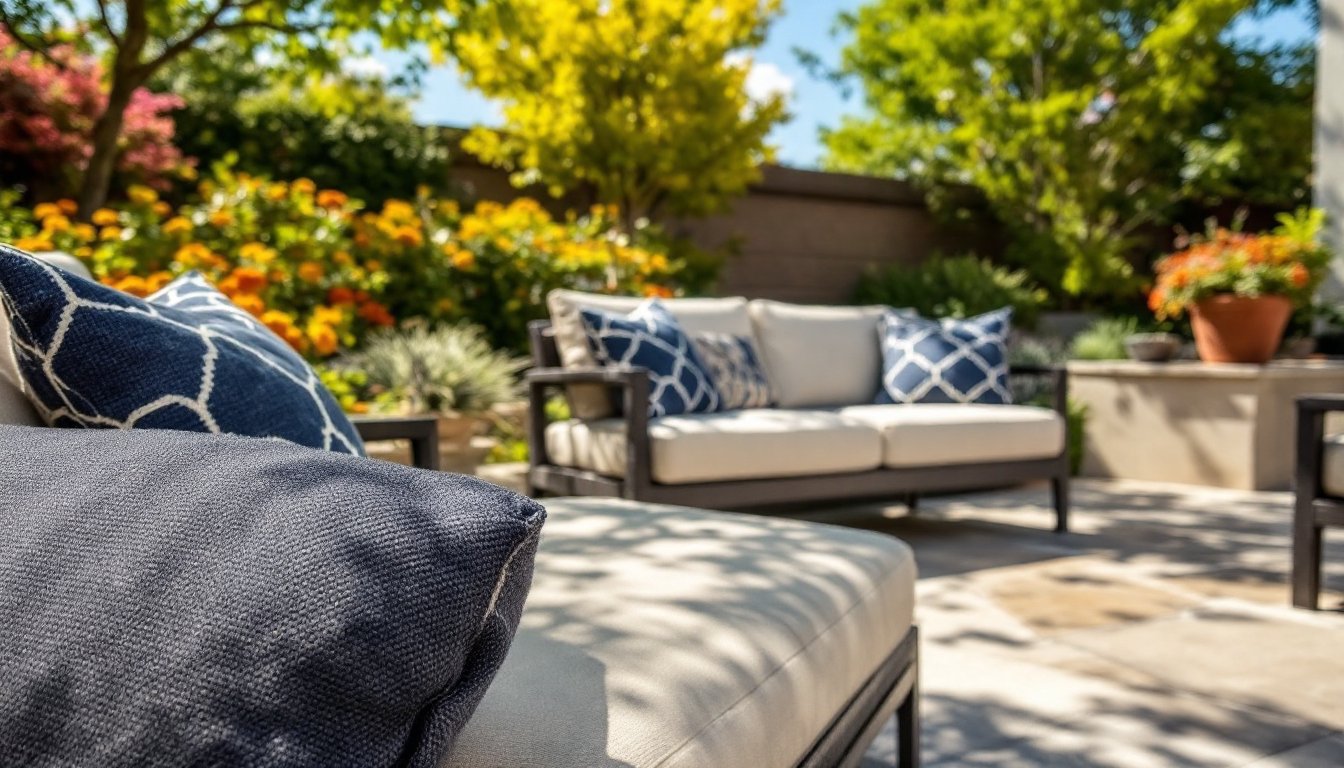
Nothing kills patio enjoyment faster than faded, cracked, or moldy cushion covers. Whether you’re protecting brand-new cushions or refreshing weathered ones, quality cushion covers for patio furniture are the difference between a relaxing outdoor space and a maintenance headache. This guide walks through selecting durable materials, nailing the fit, choosing designs that match your aesthetic, and keeping covers in shape season after season. You’ll learn what separates a bargain cover from one that actually lasts, and how to care for your investment without guesswork.
Table of Contents
ToggleKey Takeaways
- Quality cushion covers for patio furniture extend cushion life by 3–5 years while protecting against UV damage, moisture, and debris, ultimately saving money on foam replacement.
- Solution-dyed acrylic fabrics like Sunbrella offer the best durability with 500+ hour UV ratings, while outdoor polyester blends provide a budget-friendly alternative that works well in temperate climates.
- Accurate measurements in width, depth, and thickness are essential—a poorly fitting cover will flap in wind, collect water, or fail to fit properly over your cushion.
- Dark, solid colors and busy patterns hide stains and sun fading longer than light shades, making them more practical choices for long-term outdoor use.
- Hand washing or hosing down covers with mild soap and proper drying prevents mildew and extends fabric life far longer than machine washing, which can damage UV treatments.
Why Invest in Quality Cushion Covers
Patio cushions face relentless abuse. Sun, rain, temperature swings, bird droppings, and mildew all work to break down fabric. A cheap cover might cost $15 and look fine on day one, but after one season it’ll crack, fade to a ghostly gray, or develop mold spots that don’t wash out.
Quality covers, typically in the $40–$100 range depending on size and material, protect your cushions from UV damage and moisture while extending cushion life by 3–5 years. That means you’re not replacing the foam core as often, which gets expensive fast. Beyond protection, a well-fitted cover keeps dust and debris off the cushion fill, so you’re not sitting on a filter cake come fall.
Good covers also preserve the look you paid for. If you’ve invested in decent outdoor seating, letting cheap covers destroy it is like putting gas-station oil in a new engine. Your patio is an extension of your home, and it deserves covers that stand up to the job.
Choosing the Right Material and Durability
Outdoor-Specific Fabrics That Withstand the Elements
Not all outdoor fabrics are created equal. Canvas and cotton sound sturdy but absorb water like a sponge and rot if trapped moisture sits too long. You want solution-dyed acrylic or polyester blends designed specifically for outdoor use.
Solution-dyed acrylic (brands like Sunbrella and Outdura are industry standards) has color mixed into the fiber before it’s woven, not printed on. This means fading happens uniformly, and the fabric won’t peel or crack as the surface breaks down. These fabrics typically carry a 500+ hour UV rating, meaning they resist fading under intense sun for years. Expect to pay $60–$100 for a quality lounge cushion cover in this material.
Polyester blends (often labeled as “outdoor polyester” or “performance fabric”) are a step down in longevity but cost less, usually $35–$60 for standard sizes. They’re water-repellent and mildew-resistant, but may show some fading after 2–3 seasons in hot climates. They work fine if you’re in a temperate zone or willing to replace covers every few years.
Avoid anything labeled just “polyester” without an outdoor rating, or fabrics described as “water-resistant” without UV protection. Look for moisture-barrier backing on the underside, this prevents water from wicking into the cushion foam and causing mold. Check the care label for mildew treatment (often a chemical finish) so you know what you’re getting.
Thread count and weave density matter too. Tighter weaves (you can’t easily see through the fabric) shed water faster and resist punctures from sticks or debris. If a swatch feels thin or papery, it won’t last long outdoors.
Sizing, Fit, and Measurement Tips
A cover that’s too loose will flap in the wind and collect water in saggy pools. One that’s too tight will pull at seams and won’t fit over the cushion without wrestling. Measuring correctly takes five minutes and saves you from ordering the wrong size.
Measure your cushion (not the chair) in three places: width, depth, and thickness. For a lounge cushion, width is the side-to-side distance, depth is head-to-toe, and thickness is how puffy it is (typically 4–6 inches on most outdoor cushions). Write down all three numbers.
When shopping, cushion cover sizes are listed as “Width × Depth × Thickness” or sometimes just “Length × Width.” Match these exactly to what you measured. A 24 × 24 × 4 cover won’t fit a 20 × 24 × 5 cushion properly. Many online retailers show a size chart in the product photos, cross-reference your measurements against it before buying.
For oddly shaped cushions (kidney-shaped, rounded, or custom builds), take a photo and compare it to product images, or contact the seller and describe your cushion. Don’t assume a “universal” cover will work, nine times out of ten it won’t.
Also factor in shrinkage. Quality outdoor covers may shrink slightly after their first wash (usually 1–2 percent). Some manufacturers pre-shrink fabric, but check the care label. If a cover fits snug out of the box, washing might make it unwearable.
Design and Style Options for Every Aesthetic
Once you’ve locked down material and size, you can finally have fun with looks. Outdoor cushion covers come in hundreds of patterns and colors, and today’s options go way beyond generic stripes.
Solid colors (navy, gray, tan, white) are the safest bet. They hide stains, match almost any decor, and you can find them in any quality tier. Navy and charcoal last longer visually because they don’t show sun fading as dramatically as lighter shades.
Patterns, geometrics, botanicals, florals, coastal prints, let you inject personality. Just remember that busy patterns hide wear better than solids, which is practical as well as pretty. A floral print will look fresher longer than a cream cushion cover sitting in the Texas sun.
Color matching matters. If your patio furniture is natural wood or rattan, warm neutrals (taupe, terracotta, sage) photograph better than cool grays. Metal frames pair well with any color, but whites and light grays can look washed out next to modern aluminum.
Browse collections at outdoor retailers or online home decor sites that specialize in weather-friendly options to see what resonates. Pinterest is a visual reference, but verify that any cover you buy has proper outdoor ratings and UV protection, not just good looks.
Care, Cleaning, and Seasonal Maintenance
Proper care doubles the life of your cushion covers. At the start of each season, brush off dirt with a soft-bristle brush or use a vacuum with an upholstery attachment. This removes dust and pollen before they set into the weave.
For light stains (bird droppings, tree sap, general grime), mix warm water with a small squirt of mild dish soap. Use a soft cloth to dab the stain, working from the outside edge inward so you don’t spread it. Rinse with clean water and air-dry completely, don’t leave covers damp, as that invites mildew.
For mildew (dark spots that smell musty), spray a 1:1 mix of white vinegar and water on affected areas, let it sit for 15 minutes, then scrub gently and rinse. For stubborn mold, a dilute bleach solution (1 part bleach to 10 parts water) works, but test on a hidden seam first to make sure the fabric won’t lighten. Always rinse thoroughly after bleach.
Check the care label on your cover before machine washing. Most quality outdoor covers are not machine-washable, agitation breaks down UV treatments and can shrink covers. Hand wash or hose down instead. If a label says machine-safe, use cold water, gentle cycle, and air dry completely.
Seasonal storage matters. Before storing covers for winter or an extended off-season, clean and dry them completely. Store in a cool, dry place, a garage, shed, or deck box works well. Don’t seal them in plastic bags (traps moisture) or hang them in direct sun (causes fading). Proper storage adds months or years to the life of a cover.
Inspect covers every 2–3 months for small rips or seam separations. These are easy fixes with outdoor fabric glue or a needle and UV-resistant thread, catching them early prevents larger damage.
Conclusion
Quality cushion covers protect your patio investment and keep outdoor seating comfortable and usable year-round. Invest in solution-dyed acrylic or performance polyester, measure carefully, pick colors and patterns that match your space, and follow basic cleaning and storage routines. A good cover costs more upfront but outlasts three cheap ones and keeps your cushions looking new far longer. Start shopping with a clear understanding of your cushion dimensions and desired aesthetic, and you’ll land covers that earn their place on your patio.