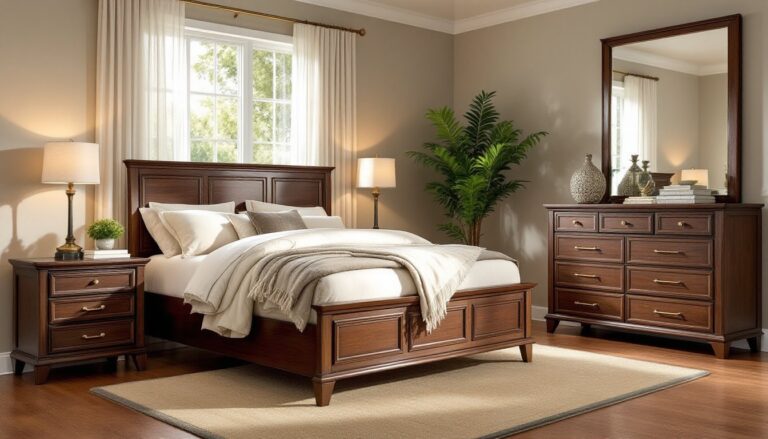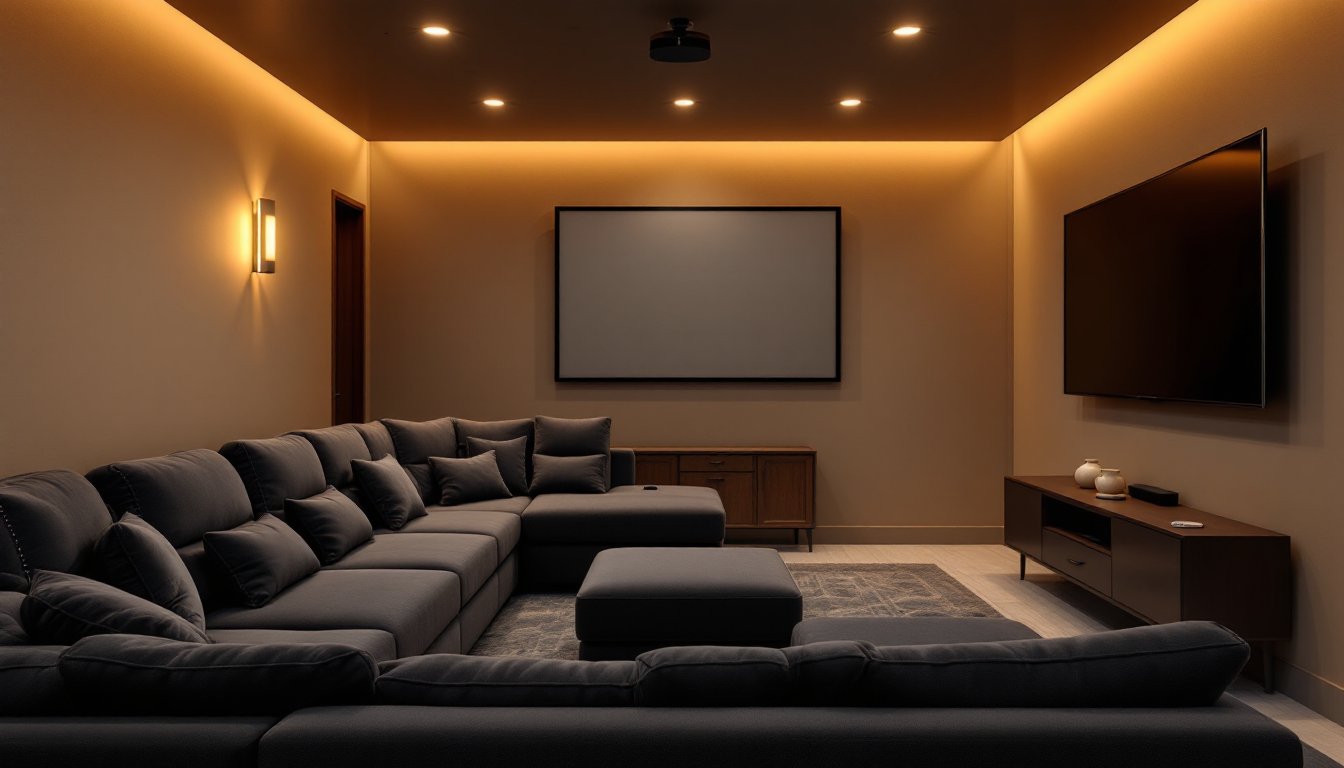
A quality theater sectional sofa transforms how a homeowner experiences movies, games, and time with family. Unlike standard seating, home theater sectional furniture is engineered specifically for long viewing sessions, with deep seating, built-in recliners, and storage features that standard couches simply don’t offer. Whether you’re building a dedicated media room or upgrading your living room with home theater sectional seating, choosing the right model means balancing comfort technology, durability, and room layout. This guide walks you through what makes theater sectionals unique, what features actually matter, and how to select and maintain one that will serve your space for years.
Table of Contents
ToggleKey Takeaways
- A theater sectional sofa differs from standard sectionals through deeper seating (36-42 inches), motorized recliners, taller backrests, and integrated storage—all engineered for extended viewing comfort.
- Motorized recline with independent backrest and footrest adjustment is the gold standard for home theater sectional furniture, with power headrests offering additional neck support during long movie sessions.
- Prioritize hardwood frames and high-density foam (1.5-2.0 lb per cubic foot) for durability, and choose performance fabrics over standard cloth for superior stain and fade resistance.
- Measure room depth carefully: a 42-inch-deep sectional requires at least 8.5 feet of viewing distance, and use the 1.5-2.5x screen diagonal rule to position your theater sectional sofa properly.
- Weekly vacuuming with an upholstery attachment, monthly cushion rotation, and immediate spill treatment preserve your theater sectional’s appearance and extend its lifespan significantly.
- Modern theater sectionals increasingly feature integrated lighting, USB charging ports, and wireless charging—conveniences worth evaluating based on actual usage patterns and your lifestyle needs.
What Makes a Theater Sectional Sofa Different
A theater sectional sofa isn’t just a large couch, it’s purpose-built for comfort during extended sitting. Standard sectionals prioritize aesthetics and modest lounging: home theater sectionals prioritize ergonomics and functionality.
The core difference lies in depth and recline mechanics. A typical living room sectional has a seat depth of 24–30 inches. Theater-grade models typically measure 36–42 inches deep, giving your legs full extension without dangling. The backrest height is also engineered taller, often 36–40 inches, to cradle your head and neck properly during a two-hour film.
Built-in recliners are another defining feature. Most theater sectionals include motorized recline sections that raise footrests and angle the backrest to a near-flat position. Standard sectionals rarely offer this unless you add separate recliner chairs. The headrests on theater models are adjustable or stationary, designed to support your head at viewing angles rather than at 90 degrees.
Storage is often integrated, too. Armrest cubbies, under-cushion compartments, and side pockets hold remote controls, snacks, and blankets within arm’s reach. Cup holders, either built into the arms or fold-down trays, prevent spills on expensive upholstery. These practicalities separate theater sectionals from standard home theater sectional sofas designed primarily for conversation and casual lounging.
Key Features to Look For When Choosing the Right Model
Not all theater sectionals are created equal. Focus on these core features to avoid buyer’s remorse.
Reclining Capabilities and Comfort Technology
Motorized recline is the gold standard for home theater sectional furniture. A single button or app control lets you adjust the backrest angle and footrest height independently, crucial for finding your personal sweet spot. Some models offer zero-gravity positioning, which mimics the recline angle used by astronauts and distributes weight across your body, reducing pressure on your spine.
Power headrests are a step up. These motorized pillows rise and fall, supporting your neck and head at various recline angles. If you have neck or shoulder issues, a power headrest can be the difference between comfort and pain during a long movie session.
Manual recline is cheaper but requires physical effort and offers fewer adjustable positions. If budget is tight and you have just one or two designated recliners, manual might work. But in a full home theater sectional setup, motorized recline is worth the investment.
Check the motor warranty separately, it often differs from the frame warranty. A 5-10 year motor warranty is standard: anything less may indicate cost-cutting elsewhere.
Material Quality and Durability
Upholstery on home theater sectional seating endures real wear: sweat, spills, pet claws, and sunlight. Genuine leather is durable but requires regular conditioning and isn’t stain-resistant without treatment. Microsuede and microfiber are softer, more forgiving with stains, and generally cheaper. Performance fabrics, engineered specifically for high-traffic upholstery, resist stains, fading, and pilling better than standard cloth.
The frame matters as much as fabric. Hardwood frames (particularly kiln-dried maple or oak) outlast engineered wood or plywood. Ask the manufacturer or seller about the frame material and construction method. A doweled and glued frame is more stable than stapled-only construction.
Filling density also affects longevity. Higher-density foam (1.5–2.0 lb per cubic foot) resists sagging better than lower-density foam. Down-wrapped cushions feel luxurious but require frequent fluffing and can shift over time: high-density foam wrapped in down offers a middle ground.
Sizing and Layout Options for Your Space
Theater sectional sofas come in modular configurations, but size constraints are real. Before shopping, measure your room carefully, not just the floor space, but doorways and hallways leading to the media room.
Standard theater sectional layouts include:
• L-shaped configurations: Two sections at a 90-degree angle. Ideal for corner placement in rectangular rooms. Typical dimensions: 120–150 inches long by 90–110 inches deep.
• U-shaped layouts: Three sections forming a U. Best for larger spaces and multiple viewers. This setup can measure 150+ inches across with 100+ inches of depth.
• Straight sectionals: Multiple recliners in a row. Useful for narrow, longer rooms. Less immersive for group viewing but flexible in placement.
Depth is the constraint most people underestimate. A 42-inch-deep sectional extends 3.5 feet from the wall. In a 12-foot-deep room, that leaves only 8.5 feet to the screen, too close for comfortable viewing of large displays. The general rule: sit 1.5–2.5 times the screen diagonal away. A 65-inch TV requires 8–11 feet of viewing distance. A 85-inch TV needs 12–17 feet.
Measure your TV location, then work backward to place the sectional. Leave at least 12–18 inches between the sectional back and the wall for airflow and to prevent damage to drywall and paint. If you’re adding a console table or shelving behind the sectional, account for that too.
Before buying, sketch the room layout to scale. Cardboard mockups of sectional dimensions, placed in your room for a day or two, help confirm fit without the commitment. Many retailers offer virtual room planners or, at minimum, detailed dimension sheets that make mock-ups easier.
Design and Style Considerations
Home theater sectional seating doesn’t mean sacrificing aesthetics. Modern designs balance form and function, fitting seamlessly into contemporary, industrial, and transitional interiors.
Color and upholstery affect mood and practicality. Dark gray, charcoal, and black hide dust and minor stains but can feel heavy in smaller rooms. Lighter neutrals, beige, light gray, cream, feel more spacious but show every fingerprint. If you have pets or young children, performance fabrics in mid-tone grays or warm browns offer the best balance of concealment and light-friendliness.
Arm styles vary: track arms are sleek and modern: rolled arms are classic: armless sections maximize seating at the cost of lounging comfort. Nailhead trim adds a luxury touch but collects dust. Chaise lounge sections at the end of a sectional invite full-body sprawling, though they sacrifice seating count.
According to contemporary furniture design trends, theater sectionals increasingly feature integrated lighting, USB charging ports, and wireless charging pads built into side tables or armrests. These conveniences justify higher price points if you actually use them. Consider whether you’ll benefit from app-controlled lighting or if a simple USB outlet in the wall nearby suffices.
Subdued color palettes make the screen the visual focal point, a practical choice for true media rooms. But, if your sectional sits in a multipurpose living room, selecting a fabric that complements existing décor prevents the sectional from dominating the space. Modern interior design inspiration often showcases sectionals as design anchors, so choosing a style you genuinely enjoy, not just what trends suggest, pays dividends in long-term satisfaction.
Maintenance and Care Tips
A theater sectional is an investment. Proper maintenance extends its life and preserves its appearance.
Vacuum weekly with an upholstery attachment. Dust settles in seams, piping, and underneath cushions, areas that attract dust mites and degrade fabric over time. Use a soft brush attachment to avoid pilling on delicate fabrics.
Spill protocol matters. Blot, don’t rub, rubbing drives stains deeper. For water-based spills, blot with a damp cloth and a drop of mild dish soap. For greasy or stubborn stains, use a fabric-safe cleaner or hire professional upholstery cleaning annually if the sectional gets heavy use.
Fluff and rotate cushions monthly. Uneven sitting wears cushions unevenly: rotation ensures even compression. If your sectional has removable cushions, rotate them 90 degrees and flip them to distribute wear.
Check motorized recline mechanisms seasonally. Listen for grinding or unusual sounds when extending footrests or adjusting the backrest. Lubricate moving joints with a silicone-based lubricant if the manufacturer recommends it, this prevents rust and friction. Keep the remote clean and replace batteries before they leak.
Protect against sunlight. UV rays fade upholstery faster than you’d expect, especially darker fabrics. Close blinds or curtains during peak sunlight hours, or install UV-filtering window film. Rearrange the room occasionally to expose different sections evenly if the sectional receives consistent direct sun.
For leather sectionals, condition the leather every 6–12 months with a quality leather conditioner. This prevents cracking and maintains suppleness. Wipe spills immediately: leather stains more readily than fabric once liquid penetrates the grain.
Address small tears or loose seams quickly. A small rip in upholstery can spread: having a professional upholsterer patch it early costs far less than full reupholstering later. According to professional home design resources, consulting an upholsterer about preventive care and warranty coverage often reveals maintenance requirements specific to your model and material.